Tag: jimmy Somerville

  • NOW! 18 – The pompatus of love

    NOW! 18 – The pompatus of love

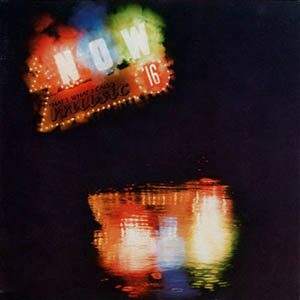
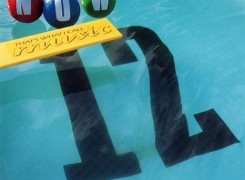
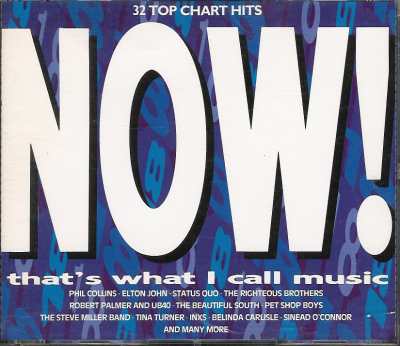
    Now_18In some ways the much-derided (by smart arses like me), and often ignored (by everyone else) re-vamp of the NOW design is nice and simple. No one was calling the albums by their full name, so why bother putting the whole title on the cover? They barely bothered with NOW 17, but retained the iconic balls for one last round. Also, the series had been going for so long now, surely everyone had given up on the numbering by now? The latest release would be just another NOW album, people will flock to buy it anyway, it doesn’t matter what number it is. We’ll keep the number, but we’ll hide it on the sleeve, like a game, or like some cryptic cigarette ad. With NOW 18, the balls were chopped off in their prime and replaced by what I can only compare to old pub wallpaper, with the word NOW! emblazoned across the front (note also the addition of the kiddie-friendly but otherwise useless exclamation mark). It’s breathtakingly dreadful. Even as a teenager I knew this was a horrible design, mainly because it looks cheap and generic. Add some band photos down the side and it’s not a million miles away from the rip-off Out Now! series Chrysalis and MCA records briefly released in the mid 80s.

    This might be excusable if NOW 18 bestrode the charts like a sales statistic behemoth (whatever one of them might look like) but it doesn’t, and I’m beginning to wonder whether it’s me or the music. This blog was a direct result of me wondering if pop music got bad or did I just get old. The question I forgot to ask myself was, do we only like the pop music from when we were kids? Does every generation think their music was the best?

    NOW 18 is certainly not short on number ones; side one kicks off with three in a row, and features a further three later on. The Beautiful South’s A Little Time, Steve Miller Band’s The Joker and Reg Dwight’s first UK number one, Sacrifice, represent probably the lowest key opening to a NOW album so far. Strange that they re-brand, presumably, to appeal more to a hip, happening teenage market (it’s unlikely many who bought the first NOW were still buying them by this stage), and then they choose to open the album with some of the most insipid, turgid, beige-sounding songs of the year. The Joker in particular, featured in a Levis ad, so a nailed on number one, really perplexes me now. What was it about this song (apart from its ubiquity on the TV) that made it so popular, particularly when it failed to score on its original release in the 70s? Lest we forget this is the song that stopped Deee-Lite’s Groove Is In The Heart from reaching number one. Elton John’s song is a mystery too, since Sacrifice and it’s double A side brother, the much better, Healing Hands, had BOTH been released as singles the year before, and neither had charted!

    Lord Baldy Reg

    The dirge doesn’t stop there. It Must have Been Love isn’t a bad ballad (and I was sure it had been a chart-topper but it stopped at number 3), but following on from Baldy Reg (still in hat-wearing rather than bad weave mode) just demonstrates why you shouldn’t pack all your smooch songs too close together. Four songs in and NOW 18 is making me reconsider whether this blog will ever get finished. A lively horn section and a small orchestra jerk me back into action. Sadly it’s courtesy of Phil Collins’ Something Happened On The Way To Heaven, surely one of the worst song titles of all time. The song’s alright, nothing special, but I’m probably giving it an easier ride because of what came before it. Collins somehow manages to snag himself a prime location as the first artist name on the cover, a spot normally reserved for the coveted side one, track one artist.

    Just as side one is starting to feel like a complete washout, NOW 18’s first forgotten gem arrives. Last year Wilson Phillips’ Hold On got itself a bit of a mini revival thanks to the awful Bridesmaids movie (a film whose best scene features a group of ladies in wedding dresses suffering explosive  diarrhoea…), but listening to it again here it still generates that “I haven’t heard this for years” feeling. Given they are the daughters of various Beach Boys and Mamas and Papas, it shouldn’t surprise that they can hold a cracking pop tune. It’s ridiculously uplifting and nice in a fun way rather than being nice because it’s not dreadful.

    The mood then drops immediately, but to be fair, it is for one of the best songs on the album, if not the whole of the 90s: Nothing Compares 2 U by Sinead O’Connor. Given its release date, this really should have featured on NOW 17, and one can only suspect it was held back so as not to affect sales of Ms O’Connor’s album (which sold very well, thank you very much). As breathtakingly good as the song is, it brings to a close the least inspiring side of NOW I’ve experienced thus far.

    And things don’t improve on the flipside either, at least not at first. Thanks to the movie Ghost, Unchained Melody found itself vying with The Joker for the title of Biggest Selling Re-release of 1990. The Righteous Brothers were victorious, becoming the biggest selling single of the whole year into the bargain. I’ve always found this endlessly popular (and endlessly covered) song to be a bit of a slog and in the Righteous Brothers discography I’ve always preferred You’ve Lost That Loving Feeling and the less well-known Ebb Tide, both of which were released as a double A-side later in the year, but performed less well.

    Now That's what I Call a Pop Group Publicity Photo. I love this a bit too much.
    Now That’s what I Call a Pop Group Publicity Photo. I love this a bit too much.


    An act whose chart career seemed to end almost at the same time as the the 80s was Belinda Carlisle. Her chart placings had been steadily declining since she burst onto the scene at the tail end of 1987, with successive singles registering lower and lower, so it was a bit of a surprise that the fifth (FIFTH!) single from her Runaway Horses album would not only be a hit, but would be her biggest hit since Heaven Is A Place on Earth. It’s not that much of a surprise though when you learn that single was the car- flogging We Want The Same Thing. Now regarded as one of her best-loved songs, the single version was a radical reworking of the version on the album, at least that’s what Wikipedia says. Not having a copy of the album to hand I can’t verify this, and the interwebs are no help either, offering only this, more famous version. It follows the template of Heaven to a tee, and is a brilliant pop single as a result. A number six finish seems a bit harsh now for such a great pop nugget, but the charts were much tougher in those days.

    Sadly, the charts weren’t quite tough enough to prevent Status Quo’s Anniversary Waltz from reaching number two! Obviously conceived to try and cash in on the success of Jive Bunny the previous year, The Quo take a three-chord-wander their way through a succession of 50s rock n’ roll standards with all the enthusiasm of a pub band on a wet Tuesday night. Dreadful. Much better is INXS’ Suicide Blonde. The first new single after the massive success of the Kick album, this was always going to be a tricky prospect. Luckily, it still sounds pretty damn good, though that harmonica does have a tendency to wow and irritate in equal measure. INXS takes us into a cul-de-sac of ‘indie’ tunes, but with baggy imploding as quickly as it started, it’s left to two old hands and one doomed new act to provide our left-field choices this time around.

    Public Image Limited’s (PiL) Don’t Ask Me is the big “huh?” on NOW 18. Never a big hit (and PiL were never more than critically-acclaimed rather than chart successes) it is a pretty good tune. Not as good as This Is Not A Love Song or Rise, this does strike me as filler for a NOW album. Were Virgin really trying to sell PiL to the kids of the early 90s? One band that definitely was successfully sold back to the kids was Talk Talk. Never as successful as they should have been, a greatest hits album led to a couple of top 20 hits with It’s My Life (on show here) becoming their biggest ever hit, 6 years after its original release. Such a brilliant track, it opened up the band to whole new audience (myself included) who had not been aware of them. Listened to now it’s easy to spot Talk Talk’s influence over so much of the alternative scene in the intervening years, it’s shameful it took a contract-fulfilling compilation to get them noticed in their own country.

    You mean I could have my landline, broadband and TV all handled by just ONE 80's experimental rock band?
     I could have my landline, broadband and TV all handled by just ONE 80’s experimental alternative rock band?

    The La’s also never got their dues and are more widely regarded as one hit wonders. Due to its ubiquity, it may be hard to fathom that There She Goes only reached the dizzy heights of number 18 and remains their only top 40 single. Despite it being a wonderful piece of jaunty pop fluff (allegedly about heroin addiction) I’ll gladly never hear it again. If you like it, I implore you to buy their debut (and to date, only studio) album. There at least five songs on it better than this.

    Side two then finishes itself off with the seemingly obligatory inclusions for Tina Turner’s Be Gentle With Me Baby (kind of like The First Cut Is The Deepest by way of Stay With Me Baby) and Robert palmer and UB40’s I’ll Be Your Baby Tonight, which is playful if not exactly good. Palmer helps a lot.

    Perhaps reflecting the shift in sales to CD’s, there seems to be a definite attempt to theme the halves of the albums now, with, usually, sides three  and four given over to dance music, as is the case here. This reflects the charts at the time, but it’s telling that five of the number ones on NOW 18 were on the first half, in with all the rock and pop, while the second half, almost exclusively dance-orientated features just the one, which we’ll come to in a moment. The Pet Shop Boys return with So Hard, and ‘proper’ bands get a brief look in thanks to the wonderful remix of  The Cure’s already wonderful Close To Me, and the dreadful Ben Liebrand remix of Sting’s already dreadful An Englishman In New York. There’s also the jaw-droppingly simple but effective remix treatment given to Suzanne Vega’s Tom’s Diner, which still impresses.

    Producer-led dance was taking over though: Fascinating Rhythm from Bass-o-matic (which I always thought was a great name for a washing machine) sounded great in 1990, but sounds awfully generic now. It’s probably no fault of the song, but the endless, pointless samples are over the top and irritate enormously. Soul II Soul’s Missing You is pretty ropey stuff compared to their 1989 vintage, despite the presence of Kym Mazelle on vocals. This should have made for a stronger vocal than Carol Wheeler, but somehow it ends up sounding even weedier. Also disappointing is Neneh Cherry’s I’ve Got You Under My Skin; a self-conscious attempt to re-write Prince’s awesome Sign o’ The Times, it fails completely. Cherry’s vocal is fine, and the subject is laudable, but it feels contrived and cheap. Blue Pearl’s Little Brother is only here in anticipation of it being as big a hit as its predecessor, Naked In The Rain. Not a chance, but it’s not as bad as I remember considering it’s a very difficult song to remember.

    Please tell me this image doesn't need a caption...
    Please tell me this image doesn’t need a caption…

    Side four feels like it will be the proper party side, kicking off with Kylie’s Step Back In Time (a change in chart fortunes no doubt prompting her re-appearance, two years after I Should Be So Lucky appeared on NOW 11). Kim Appleby’s Don’t Worry is one of the best songs on NOW 18. Lyrically it’s about getting over a bloke, but everyone knew it was really about the tragic death of her sister, Mel. For a floor-filler it’s genuinely moving stuff. The public agreed pushing it to a number two slot that, sadly, subsequent releases couldn’t match. It was produced by Ken from Bros, fact fans!

    Next we get two absolute jokes of tunes. Technotronic’s Megamix (I can’t believe that’s the title, but that’s how it’s credited… just Megamix) is one of the most shameless rip-offs I’ve ever heard from the music industry. Having sold the public the same song four times (only Rocking Over The Beat showed any sign of variety) they then cut all four together, along with a fifth, unidentified track, and sell it back to the kids again! It’s like KFC taking all your left over bones and bits of skin, re-heating them and then selling them back to you as “Spicy Scraps” or something. And given that all the songs are bloody identical, it couldn’t have been too much of a chore to mix them all together. One point of mild interest comes from the fact that MC Eric (pfft) is rapping a different lyric from This Beat is Technotronic. Meh.

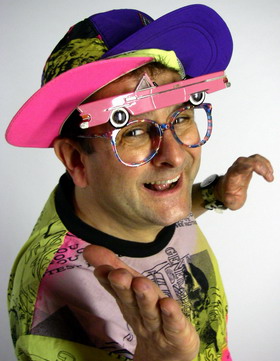
    Next comes the gobsmackingly awful Itsy Bitsy Teenie Weenie Polka Yellow Dot Bikini from Bombalurina (aka Timmy Mallett, crazy name, crazy guy). You all know this, don’t you? Bloody awful… number one all summer… novelty crap… Well, I’m shocked to report that you are wrong. All of you. It’s actually pretty good. I don’t mean in a Pet Sounds/ The Queen Is Dead sense of the word good. We’re not talking about topping a Q magazine list of the greatest number ones of all time. I mean, it’s good in a good, fun pop song kind of way. On NOW 12 there was some discussion (in my head) of the KLF’s Timelords project and how it was a cynical attempt to ‘create’ a number one record. They succeeded. I see Bombalurina   as an attempt to use the same principles but to create, not a deliberately bad record but, a good fun pop record. It samples The Incredible Bongo Band, Holly Johnson, Gil Scott Heron and that “ah yeah” heard on every record in 1990. Mallett can’t sing but holds the whole thing together. And let’s not forget, the song is not some great work of art to start with; it’s pop fluff, Mallet just updated it, retaining the fun (an aspect of pop that was slowly being eradicated) and having a massive hit into the bargain. And all power to him. The man was one of the greatest kids TV presenters ever and by all accounts is a thoroughly decent gent. I’ll not hear a word said against him.
    Legend
    Utterly utterly utterly utterly brilliant

    Fun pop continues with Betty Boo’s wonderful Where Are You Baby?, which is still brilliant, and Dirty Cash from The Adventures of Stevie V. Not a favourite of mine back in 1990, listened to now (for the first time in two decades) it’s actually rather splendid. Dark, moody and still danceable, it’s just a shame about the incongruous rap that appears halfway through. It’s completely out of place, but luckily, quite short.

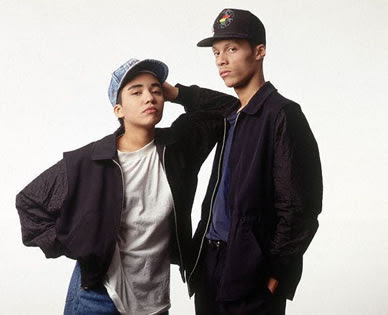
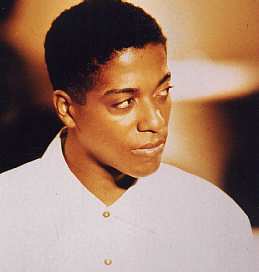
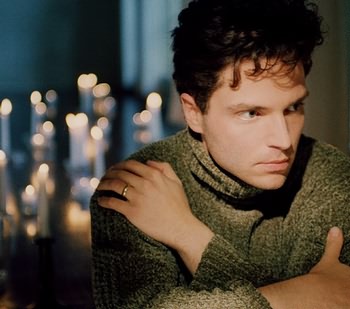
    The whole thing finishes off with a couple of smoochers. That old Scottish rapper McHammer deconstruction of The Chi-Lites’ Have You Seen Her? deserves little mention, but Jimmy Somerville’s To Love Somebody is rather special. Giving his best vocal performance for years, it somehow manages to make white-boy reggae listenable again. Compared to UB40 this feels a lot more heartfelt and honest. But it’s another notch on the cover version/re-release bedpost, taking NOW 18’s total to a whopping 16 songs! It’s a pleasant end to the album but one which is indicative of the album’s underwhelming whole.

    An underwhelming hole, yeaterday
    An underwhelming hole, yesterday

    In NOW 18’s defence (a bit) 1990 was far from a banner year for pop music, and was definitely a transitional year. Stock, Aitken and waterman were on their way out, with ‘purer’ dance music coming to the fore, mainly from Europe. It wasn’t all good, far from it, but it was to become the dominant sound of the charts and arguably still is today. It should be no surprise to learn that NOW only had two regular releases in 1990, but there were three NOW Dance releases (I may come to NOW Dance at a later date). Indie took a bath, and it would be a few more years before it would re-emerge in any meaningful way in the NOW universe. The notable absence is rap. While the charts today are happy to mix hip hop with chart regulars, the record buyers of 1990 were notably unsure, and after a few fruitful years, it too seemed to be on the wane in the mainstream.

    NOW 18 is a fair reflection of its cover: shouting from the rooftops about good it is, and how big its hits are, just like the Hits Album used to, but just like Hits, it flatters to deceive. There is some absolute class on show here, but it’s suffocated by old songs, insipid ballads, poor programming and a lack of innovation. Ironic given its ‘innovative’ new look.


    NOW THAT’S WHAT I CALL MUSIC 18

    Release date

    19th November  1990

    Biggest tracks

    Nothing Compares 2 U – Sinead O’Connor

    It Must have Been Love – Roxette

    Unchained Melody – The Righteous Brothers


    Forgotten tracks

    Little Brother – Blue Pearl

    Missing You – Soul II Soul ft Kym Mazelle


    Hidden gems

    Hold On – Wilson Phillips

    Itsy Bitsy Teenie Weenie Yellow Polka Dot Bikini – Bombalurina (seriously… try it again)

    To Love Somebody – Jimmy Sommervile


    What’s missing

    King of Wishful Thinking – Go West

    Kinky Afro – Happy Mondays

    The elephant on the room is the best single of 1990…

    Groove is in the Heart – Deee Lite, which had sadly snapped up for The Hit Pack, the latest incarnation of the Hits series.


    Track listing

    Side one
    A Little Time The Beautiful South
    The Joker Steve Miller Band
    Sacrifice Elton John
    It Must Have Been Love Roxette
    Something Happened On The Way To Heaven Phil Collins
    Hold On (Single Edit) Wilson Phillips
    Nothing Compares 2 U Sinéad O’Connor
    Side two
    Unchained Melody The Righteous Brothers
    (We Want) The Same Thing Belinda Carlisle
    Anniversary Waltz (Part One) Status Quo
    Suicide Blonde INXS
    Don’t Ask Me Public Image Ltd
    It’s My Life Talk Talk
    There She Goes The La’s
    Be Tender With Me Baby Tina Turner
    I’ll Be Your Baby Tonight Robert Palmer Featuring UB40
    Side three
    So Hard Pet Shop Boys
    Fascinating Rhythm Bass-o-Matic
    Missing You Soul II Soul Featuring Kym Mazelle
    Tom’s Diner DNA featuring Suzanne Vega
    An Englishman In New York Sting
    Close To Me The Cure
    I’ve Got You Under My Skin Neneh Cherry
    Little Brother Blue Pearl
    Side four
    Step Back In Time Kylie Minogue
    Don’t Worry Kim Appleby
    Megamix Technotronic
    Itsy Bitsy Teenie Weenie Yellow Polka Dot Bikini Bombalurina
    Where Are You Baby Betty Boo
    Dirty Cash (Money Talks) The Adventures Of Stevie V
    Have You Seen Her M C Hammer
    To Love Somebody Jimmy Somerville


  • NOW 17 – Just what is it that you want to do?

    NOW 17 – Just what is it that you want to do?

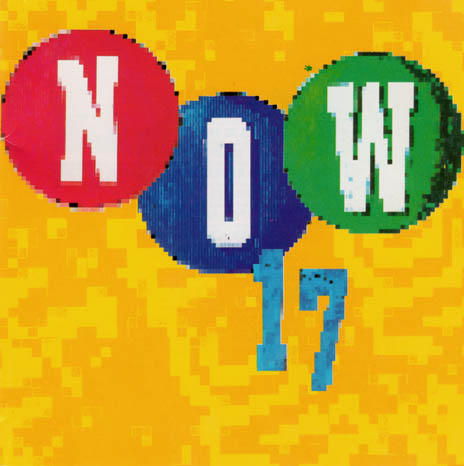
    Now_17As the first NOW album of the 90s NOW 17 promises much and delivers little, but it points the way to another world far removed from the Wet Wet Wets, Jellybeans and Johnny Hates Jazzes (?) of the late 80s. In terms of looking forward, NOW 17 gives over a whole side to the fast emerging indie-dance scene and almost all of sides three and four are dance orientated. Classic pop is curiously thin on the ground. There’s also the first computer-generated cover design. Yes… um… I’m sure in April 1990, this cover looked shockingly futuristic, reminiscent as it is of the first Doom, or Castle Wolfenstein video games; you can imagine it popping up as an end of level reward after you’ve mown down another 4,000 monsters. Also, intriguingly, “That’s What I Call Music” is almost an afterthought in the design. Had they finally cottoned on to the fact that nobody ever used the full title, so what was the point?

    The featured artists on the cover are a curious mix as well. For a hip, happening pop compilation released at a time when the charts were filled with ecstasy-laden folk in Global Hypercolour t-shirts and tie-dye flower strewn hoodies, the big draws on NOW 17’s cover still include Phil Collins, UB40 and Tina Turner. His Satan-ness Cliff is on here too, but that keep that one as an evil little surprise.

    Side one provides your pop injection. Erasure’s Blue Savannah has always been on my hate-list for reasons I’ve never quite fathomed; it remains there still, a dreadful way to start the album. Rebel MC’s Better World is, um, better, but is a poor follow-up to the superior Street Tuff. It only just scraped into the top 20, and only one more hit was forthcoming (Tribal Base in 1991; no, me neither). Paula Abdul’s Opposites Attract is brilliant however, and may have actually improved with age. A wonderfully upbeat rap number for the masses, it has got a small tinge of 1989 about it (but far less than some other tracks on show here) but as a party tune it’s damn good.

    I’m sure there is a joke about his name, but I’m not making it

    Also damn good is Beats International’s Dub Be Good To Me, which should have opened the album. It’s one of only two number ones on NOW 17, but also one of the few outright classics. Still sounding refreshing today, its brilliance lies in the ability to find disparate samples which somehow work together (a trick Norman Cook would continue to have enormous success with as Fatboy Slim) and combining that with a wonderful vocal from Lindy Layton. I’m baffled as to why her solo career never took off, despite Fatboy’s help. I’m also baffled by karaoke kings UB40’s continued chart success into the 90s. By 1990 they were only capable of having hits with other people’s songs, so they continued to churn out a succession of their Labour of Love albums at a rate of about one a month. Kingston Town has been performed worse at your local pub, but not by much.

    Thankfully the world was about to be saved by Candy Flip and their Funky Drummer-led version of Strawberry Fields Forever. I’ve never been able to make my mind up about this track. Not then, when I was no doubt the target audience for it, or now when I’m a cynical, dried up husk of a man writing a sarcastic blog about how crap pop music is. I’m supposed to say how depressing it is that a group of fly-by-night kids and (no doubt) a producer with his eye on a quick buck desecrated a classic song in a trendy and wholly inappropriate way. But of course that’s utter nonsense. I’m not a fan of the Beatles’ original version anyway, which in itself was a cynical pocket money grabbing exploitation of the burgeoning late 60s drug scene, so I don’t really give a toss about Candy Flip ruining a great piece of art, because it wasn’t a great piece of art to start with. So the only concern is, is it listenable? Well, just about. It flip-flops from crass to genius with just about every drum beat, but it is a slice of 1990 that says a lot about the record industry’s desire to cash in on what the Stone Roses/Happy Mondays had started the year before. Candy Flip wouldn’t be the last act to be seduced and abandoned by the industry chasing the batik and loon-pant wearing pound, and Manchester and baggy burned out almost as quickly as it started (see also Flowered Up, The Soup Dragons, Mock Turtles et al) and at least the band had a successful afterlife, going on to work with the likes of The Charlatans and Robbie Williams, and two of them went on to form the criminally underrated Sound 5.

    Drug addled pop for ver kids, man. Or something.
    We never had Twitter and the Facebooks. We had to make do with this.

    To follow that, we get sensible, but dull, tracks from Tina Turner and Phil Collins, who tries to perk up I Wish It Would Rain Down by chucking in a gospel choir and an axe-wielding Eric Clapton. It doesn’t work.

    It’s odd to think that side two of NOW 17 is probably the most defining side of NOW in my musical education. I didn’t realise it at the time (probably because I didn’t own the album) but pretty much every track here would point forward to the next decade of my record buying. In terms of legacy, it’s probably second only to the House/Hip hop side of NOW 11 as being about as zeitgeisty as one side of a pop compilation can get. They screwed it up a bit by including The Quireboys, but there you go. In my head this was the sound of summer 1990, yet every track was released between January and April. The opening trio of Step On, Loaded and Enjoy the Silence is about as esoteric as NOW had ever been since Dr Mabuse on NOW 3. These are classics that still stand up today; yes, Step On may be a bit hoary now, but at least it will still get you dancing. The version on NOW 17 is the 7 inch single version. It’s notably different to the most commonly heard version now, the one found on Pills, Thrills and Bellyaches, and all their compilations, which is over a minute longer.

    Don't do drugs kids, etc...
    National Treasure

    Following those three titans of indie-dance, we find a minnow of the form, Jesus Jones. Now pretty much forgotten in their native UK, they did hit it big in the USA when Right Here Right Now was used to soundtrack SCUD attacks on Iraq on CNN during the first Gulf War. Classy. EMI had high hopes for the group, seeing them as their meal ticket into the alternative scene, at the expense of several other acts, including a new group they had just signed called Blur, who are notable by their absence from NOW albums for quite a while… Real, Real, Real is a fair track that sounds like a watered down version of something Pop Will Eat Itself may have been knocking out a few years previous, or a cleaned up Carter USM track. Inoffensive chart-friendly unit shifter and nothing more.

    The Inspiral Carpets were drifting into similar territory after a few years in the indie salt mines. Pretty much every group from within 30 miles of Manchester, with a pudding bowl haircut and jeans the size of a tent, was getting offered a record contract. The Inspirals at least stayed with an indie label and had a sound of their own. Clint Boon’s Hammond organ was much imitated, but he was the one who brought it back from obscurity. Hitting number 14, This Is How It Feels remains their most popular hit, even if it was surpassed, in chart terms anyway, by Dragging Me Down a few years later. On NOW 17, the track appears in its radio-friendly version, replacing the explicit lyric about the ‘guy from the top estate’ chucking himself under a train.

    Chucking yourself under a train is, coincidentally, the thing that Guy Chadwick most sounds like he wants to do when singing for The House of Love. Often lumped in with the shoe-gazing crowd who found themselves sucked into the baggy vortex for a while (see also the exceptional Ride, and the not quite so exceptional Birdland), House of Love are one of the more unusual acts to grace a NOW album, a bit like seeing Tom Waits on a chill-out compilation. Shine On is a brilliant tune, probably their most well-known, and a remix of their debut single from 1987. Such wonderful song writing and talented musicianship would ultimately lead to internal fighting, booze and drugs, and everything else that stops greatness from pushing through into mainstream success. Shame.

    Faith No More’s From Out of Nowhere comes from out of nowhere (sorry) and is a bit of a barn-storming relief after all that depression. It’s never been my favourite Faith No More track, but I’ve learned to appreciate it over the years and it’s certainly impossible to ignore. I’d rather ignore The Quireboys, who close off side two though. You know those bands that make a career out of ripping off another band, like Oasis did? Well, The Quireboys did that with The Faces, seemingly just because the singer sounds like Rod Stewart (and he does a bloody good job of it, too). They had a ridiculous name which ensured no kid could admit to liking them (at least at my school) without being accused of liking ‘queer boys’. They did have one good song, 7 O Clock, but that’s not the track here. Here we’ve got Hey You, and it’s a dreary, pub piano dirge that’s all roll and no rock. Imagine Rod Stewart singing a Chas n Dave number, and you’ll be almost there.

    The leather trouser makes an ill-advised comeback to the charts.
    No caption I write can be funnier than this image is on its own

    After giving us a taste of where NOW would go later in the decade, with what is probably best described as the “Indie Ghetto” (which of course, would end up redefining the term ‘indie’ to mean a sound rather than music from independent labels; acts as diverse as Kylie Minogue, The Prodigy and Bjork were all strictly indie), the second half of NOW 17 gives us the more troubling path for the series. Or to put it another way, it’s the reason why everyone, except some absolute die hards, ultimately abandon the series to seek pleasures elsewhere: pop music becomes annoying.

    For reasons unknown (probably money, most things are), or better discussed by people who know about this kind of thing, pop music changed in the 1990s. I know they say that about every decade, but the status quo that had been in place since the early 60’s was pretty much abandoned by the decade’s end. Pop bands were replaced by pop producers. Pop has always had its svengalis from Brian Epstein and Andrew Loog Oldham, through Mickey Most, Pete Waterman all the way up to Simon ‘666’ Cowell. But now, the knob fiddlers were coming to the fore, thanks to cheap equipment and a succession of cheaper guest vocalists. They became the new pop stars, and groups were pushed into the shadows again. Think about it: pretty much any guitar-based band now is classed as an ‘indie’ band or an ‘alternative’ band, even if they are as successful as Muse or Coldplay. The only exception to this are bands aimed specifically at kids, like McFly and Busted, but that boat sailed swiftly by and now we’re back to pretty, non-threatening boys sitting on stools singing about kittens. Just like Garage (a term from the 60s), Indie and Alternative would soon no longer mean what they used to, and soon they would be followed by R n’ B and House too. Faceless (or anonymous faced) dance music would soon rule the roost. Sides three and four of NOW 17 are almost exclusively like this. That in itself isn’t necessarily a bad thing. We are, in 1990, a few scant years away from the Superstar DJ era, where Carl Cox, Chemical Brothers and Norman Cook were as popular as the boy bands they battled with for chart supremacy. But this is the start of that path, so instead we get a very rum bunch indeed.

    Ya Kid K and MC Eric. You remember them, don't you?
    Ya Kid K and MC Eric. You remember them, don’t you?

    Take Technotronic… please! (boom, boom). This Beat is Technotronic is just Pump Up the Jam Part Two. In fact it IS Pump Up The Jam, just with different lyrics, sung by someone called DJ Eric. At least Lonnie Gordon’s Happening All Over Again is a great tune, one of Stock, Aitken and Waterman’s last big hits, but also one of their best. It’s probably their most successful attempt at recreating that classic disco sound for the 1980’s, sadly a year too late. Unsurprisingly the song had been written for Donna Summer, with whom they had a brief collaboration, but they had a falling out with the disco diva they did the next best thing and got a younger (and no doubt cheaper) looky-likey. I was convinced as a teenager that Gordon, like Summer, was in fact an old disco songstress that SAW had rescued from obscurity, but no; she was a just your standard session singer who happened to get noticed by the Hit Factory. As is so often the case, Gordon never capitalised on the top 5 success of this excellent track and the dumper beckoned.

    Disco morphs into Hi-NGR with Jimmy Somerville and Cliff Richard (separately, sadly). Read My Lips is a much better plea for sexual tolerance than the awful There’s More To Love (featured on NOW 12) and continues the brash fabulousness of Somerville’s earlier cover of Sylvester’s You Make Me Feel (Mighty Real), a top 10 hit which would have sat much better on this album.  In a similar vein is Cliff’s Stronger Than That, the best track from the album of the similar name. That doesn’t mean it’s any good, because it’s not, but it doesn’t make you want to murder people who were to play it like you did when you heard I Just Don’t Have The Heart (see NOW 16).

    The anonymous side of things come into play next with the 49ers forgettable Don’t You Want Me, Jamtronik’s awful dance version of Phil Collins’ Another Day in Paradise, and the strange, if not exactly pleasant, JT and the Big Family’s Moments in Soul.

    Jamtronik represent a virus that spread across the charts in the 90s and is a throwback to the days of the Top of the Pops and Hot Hits albums: the cheap, nasty cover version knocked together, probably, in a couple of hours. The difference between these bikini-clad clones and those the 1970s (apart from the fact that quality dolly birds like Mary Millington and Caroline Munro were absent) is that they were dance versions, sounding like they’d been knocked up with a £50 Casio keyboard and an Atari ST computer, so they didn’t even have to sound that much like the original. Another Day in Paradise is one of the most offensive singles ever recorded anyway: multi-millionaire pop stars should not make more millions by exploiting other people’s problems, not unless they are prepared to do something about it.  This wasn’t a charity record, remember. So, a dance version, for pilled up clubbers, of a trite, opportunistic ode to Britain’s disposed, written by a man who could solve problems like this with a quick waft of his tax-avoiding chequebook? Sorry, got nothing spare, mate.

    This image really needs a funky house beat. Ah yeah.
    This image really needs a funky house beat. Ah yeah.

    Moments in Soul is slightly odd though and that makes it worth a listen. A kind of dance megamix of recent hits, it manages to combine Art of Noise’s glorious Moments in Love, Soul II Soul’s Back to Life and Milli Vanilli’s Girl You Know It’s True into something listenable. Moments in Love seems an odd basis for the track, being 8 years old by this point, and strangely never a top 40 hit despite several rereleases. Side 3 does close on a high note, thanks to the still brilliant Got To Have Your Love from Mantronix. The production may date this a bit (particularly the horrible synthesised horns) but it’s a pretty great track all the same.

    Side four is a similar hotchpotch of the good, the bad and the ugly. The good is supplied by Adamski’s Killer, featuring, or course, a very uncredited Seal; Orbital’s Chime, giving little indication of the influence they would have over UK dance music for the next two decades; and Electribe 101’s Talking With Myself. Add in E-Zee Possee (sic) featuring MC Kinky (!) with Everything Starts With An E, which sounds nowhere near as dreadful as I thought it would, despite loving it in my teens, and side four looks like it might be shaping up pretty well. But deep and frightful horror awaits.

    Side four begins with Bizz Nizz (an act who somehow managed to be one of the featured artists on the cover) with Don’t Miss the Partyline. Like many dance artists who would appear on NOW albums, this was Bizz Nizz’s only hit, and it did well reaching number 7. But it’s utter crap. And not in a novelty record kind of crap. It’s lazy, money-grabbing, soul-less crap. You think Simon Cowell has the monopoly of conning the kids out of their paper round cash with insipid rubbish (and I do)? Well, he’s only doing what Euro-dance producers (and a few UK ones) have been doing for years before. Partyline features a very basic keyboard melody of about three notes, crowd noises, and a bloke (presumably, a DJ) shouting about the Partyline (this was the golden age of late night TV-advertised chat lines, maybe that was the market they were tapping) and the occasional “are you ready?”. Techno was still in its infancy, so this kind of Diet Techno cleaned up on the charts at the time, being much easier listening (and radio-friendly) than the likes of LFO. And you know what else makes this so dreadful? The guys behind it went on to create 2 Unlimited. Be afraid…

    The rest of side four is never as downright nefarious as that, but is a showcase of where 1990’s dance scene was at: in the toilet. Well, that’s the impression given here anyway. I can’t really say how representative it is.

    D-Mob’s Put Your Hands Together sounds a year too old to be in this company; Tongue N’ Cheek’s Tomorrow is so utterly forgettable I’ve listened to it at least ten times preparing this review and still can’t remember a thing about it; and the least said about Sydney “Who?” Youngblood’s awful cover of I’d Rather Go Blind the better, except it’s probably the worst cover version NOW has featured thus far. And the worst album closer so far, to boot.

    It must be said, NOW 17 does do a great job of capturing the chart mood of the first third of 1990. It’s as disparate and confused as the charts themselves, as maybe it should be. If the kids were strating to buy into the ‘alternative’ (both indie and dance) then where was that going to leave the pop staples like Stock, Aitken and waterman, Cliff, Tina Turner… maybe even Erasure?

    As I said earlier, pop was changing, becoming more fractured than ever before, with more genres and sub-genres. NOW was never going to be able to provide an accurate cross-section of the popular movements as it tried to here. A break was once again required, and there would be no new NOW album in the summer of 1990. Christmas would see its return, along with a bold, and potentially disastrous, new look. It was time to wave goodbye to NOW’s balls.


    NOW THAT’S WHAT I CALL MUSIC 17

    Release date

    23rd April 1990

    Biggest tracks

    Dub Be Good To Me – Beats International

    Killer – Adamski

    Step On – Happy Mondays

    Loaded – Primal Scream

    Forgotten tracks

    Got To Have Your Love – Mantronix

    Opposites Attract – Paula Abdul (MC Scat Kat is not credited…!)

    Track listing

    Side One
    Blue Savannah Erasure
    Better World The Rebel MC
    Opposites Attract Paula Abdul
    Dub Be Good To Me Beats International feat. Lindy Layton
    Kingston Town UB40
    Strawberry Fields Forever Candy Flip
    I Don’t Wanna Lose You Tina Turner
    I Wish It Would Rain Down Phil Collins
    Side Two
    Step On Happy Mondays
    Loaded Primal Scream
    Enjoy The Silence Depeche Mode
    Real Real Real Jesus Jones
    This Is How It Feels Inspiral Carpets
    Shine On House Of Love
    From Out Of Nowhere Faith No More
    Hey You (Live) The Quireboys
    Side Three
    This Beat Is Technotronic Technotronic featuring MC Eric
    Happenin’ All Over Again Lonnie Gordon
    Don’t You Love Me The 49ers
    Read My Lips (Enough Is Enough) Jimmy Somerville
    Stronger Than That Cliff Richard
    Another Day In Paradise Jam Tronik
    Moments In Soul J T & The Big Family
    Got To Have Your Love Mantronix Featuring Wondress
    Side Four
    Don’t Stop The Partyline Bizz Nizz
    Everything Starts With An ‘E’ E-Zee Possee
    Put Your Hands Together D-Mob & Nuff Juice
    Killer Adamski Featuring Seal
    Chime Orbital
    Tomorrow Tongue N Cheek
    Talking With Myself Electribe 101
    I’d Rather Go Blind Sydney Youngblood


  • NOW 16 – Not The Man You Used To Be

    NOW 16 – Not The Man You Used To Be

    Now_16NOW 16 signals the end of an era.  Not only was it the last NOW album of the 80s, the decade of its birth, but it was also the last NOW album I owned. 1989 proved to be, pretty much, the end of my love affair with chart music. I’d been dabbling with big brother’s records for a while, but his imminent departure out on his own would mean I’d have to start buying my own copy of the NME now, and my meagre pocket money was not going to stretch to that, Smash Hits AND saving for NOW albums. Something had to give, and it proved to be all things pop that bit the dust.

    Looked back from a remove of two and a half decades, NOW 16 confirms a lot of what had been happening over the previous couple of years: dance music was now very much part of the mainstream; Stock, Aitken, Waterman had half the charts sewn up; pop bands were being replaced by pretty-boy ‘manufactured’ acts; and any attempt to create something meaningful would result in the kind of overblown, overwrought and over-long musical pot-pourri that produces the likes of Sowing The Seeds Of Love. Amazingly, opening the compilation in a near  full version (just 30 seconds shy of the album version, but  still much more than they’d play on the radio), it’s a huge, expensive mess, but I still love it, because it’s a huge, expensive mess, and it’s easily the most interesting song on NOW 16. The rest of the album is mostly a display of pop blandness at its most beige, and was indicative of the severe lack of ‘top chart hits’ EMI, Virgin and Polygram produced in ‘89, but also how dreadful the public’s tastes had gotten.

    With the exception of Tears for Fears, side one is fairly ordinary, without being particularly bad. Belinda Carlisle’s Leave A Light On is strating to demonstrate her lack of variety (or rather that of her writers); Erasure’s Drama is good, but not a classic; and Debbie Harry’s I Want That Man similarly pales in comparison to the best of Blondie, or even French Kissing in the USA.

    “What about Sydney Youngblood?” absolutely no one cries. If Only I Could is a sickly sweet “can’t we all just get alone” ode to world peace with a weedy, hand-clap-heavy, dance beat nicked from Raze’s Break 4 Love, with added funky wah-wah AND Spanish guitar, for no reason other than they had to add something to make it more interesting. It didn’t work.

    The only picture of Sydney Youngblood you're likely to see anytime soon
    The only picture of Sydney Youngblood you’re likely to see anytime soon

    Fondly remembered, but pretty dated is the return of Curiosity Killed The Cat with Name and Number. It’s much better than their earlier stuff; it’s got a neat line in synthesised saxophone and provided the inspiration for a De La Soul song, so not all bad. But people only ever remember the chorus, which everyone my age knows verbatim, and it goes on forever. The Beautiful South and Wet Wet Wet both provide lesser-loved tracks, with You Keep It All In and Sweet Surrender, the latter of which sounds like it was written for some god-awful US teen drama.

    Side two does not improve things immediately, but eventually springs a few surprises. Queen’s Breakthru is among their weaker efforts (though conversely, is one of the better singles off of The Miracle album), but that is followed by the only true ‘classic’ track on NOW 16: Tina Turner’s The Best. It’s not a favourite of mine, but it’s the closest thing we have to a legendary, iconic song here and I don’t think you have to like a classic to appreciate that it is one. To this day, there are people who can’t hear it without doing Ms Bullock’s crazy horse/Tommy Cooper impression dance.

    Champion! The Wonder Horse!
    Champion! The Wonder Horse!

    Far from classic is Transvision Vamp’s Born To Be Sold, a forerunner of the ‘list’ song that would become ubiquitous in 1990 (Madonna’s Vogue, The Beloved’s Hello etc). It’s pleasant, nostalgic and different to the raucous, scream-a-thons that made them stars (alright, made Wendy James a star). It also demonstrates that Ms James did not have the best of voices, and this single was the start of their relatively swift decline. Oddity number one appears with the long forgotten Wendy and Lisa with Waterfall ’89, the ‘89 indicating this was a remix of an ‘87 track about their leaving The Revolution, Prince’s old backing band. Released as a follow up to the chart-dodging Lolly, Lolly, and minor hit Satisfaction, Waterfall also failed to reach the top 40. It’s a good tune, though different to the funky grooves of those other singles, and worth a listen.

    A top 40 hit was probably the least that was expected of Kate Bush, whose The Sensual World appears here to baffle and confuse unsuspecting teenage listeners. I’d forgotten how good this was even if it doesn’t scale the wondrous heights of her classic work. Certainly, only she could have created it and that, in my book, makes it worthwhile.

    Oddity number two comes from the fact that NOW 16 was the subject of some format fiddling. The CD version contained three bonus tracks dotted across, and the first of these appears mid-way through side two, with the Fine Young Cannibals and the wonderful I’m Not The Man I’m Used To Be. I think this qualifies as the best track on the album; I’ve always loved this and never really understood why. It’s fairly basic, even monotonous, melody-wise, but somehow that works in its favour. The thoughtful lyrics seem to resonate with me much more now perhaps than they did all those years ago. It would sadly prove to be The Cannibals’ final chart hit, bar one minor, greatest hits-flogging new track, The Flame in 1996.

    Also disappearing over the pop horizon was Then Jericho. Sugarbox is the kind of overblown balladry that gave rock a bad name back in the 80s. A million miles better than the likes of Whitesnake, it may be, but it’s still got that stadium pomposity, massive orchestrations and barely-concealed naughtiness of the title. Their collaboration with Belinda Carlisle, What Does It Take?, was much better, but failed to make much of a dent on the charts. Also saying farewell to NOW was Living in a Box, whose final hit (and joint best-seller with their eponymous debut single) really sounds like they’re taking the piss. Always good pop song writers, Room In Your Heart sounds like a parody of the kind of heart-tugging ballads so popular at the time. It’s completely beige and inoffensive bar the bizarre ‘other-worldly’ opening, but once we hit the third chorus and Richard Darbyshire is bellowing his head off like a man possessed, you know we’ve entered a whole new realm of scariness altogether. It’s probably the same realm where Richard Marx lurks, awaiting unsuspecting teenage girls to bump off and dump in the river. But that was the other song he sung. Right Here Waiting is the song he sings AFTER he’s bumped them off, and he’s sitting in his bedroom crying over a photo of them, slowly rocking back and forth.

    A boy's best friend is his mother
    A boy’s best friend is his mother

    Bizarrely, things don’t immediately pick up on the start of side three, and these things normally do. By now, this was established as the opening of the dance (and pop pick n mix) party. Technically, yes, Milli Vanilli were a dance act, but Girl I’m Gonna Miss You is a dreary, 2 am, “this one’s for the ladies” sad sack track and is an awful way to start the second half of the collection. Given that the track listing (and programming) of a NOW album involved a certain amount of brinkmanship, you have to wonder what favours were done by ‘Vanilli’s’ people to get them such a prominent spot on the album with a wholly inappropriate song. Thank god for the Rebel MC, returning with Street Tuff. A much bigger hit than Just keep Rockin’, I’m not sure it’s as good though, sounding much more chart friendly and commercial than the earlier track. Still good fun though.

    Bobby Brown’s dominance of 1989 continued with On Our Own, one of the oldest tracks on show, hailing from July. It sounds like exactly what it is, an old, unreleased track, dusted off and given a new verse about the Ghostbusters thanks to its inclusion in that summers’ Ghostbusters II (along with Brown himself, who pocketed a cool half mill for opening a door and asking Dan Aykroyd for an autograph). One of his better tunes, it has dated horribly and anyone not around in 89 will wonder what all the fuss about Brown was all about. Technotronic’s Pump Up The Jam on the other hand is one of those tracks that you know would be a hit pretty much whenever it was released in the past 25 years. While not the most nutritious of jams, it’s pop reduced to its bare bones, being almost an alchemic as 2 Unlimited’s No Limits, while never being quite as irritating.

    The second bonus track on the CD is L’il Louis’ truly odd French Kiss. What begins as a bassy, sexy, stripped down dance track descends into pure filth around the 90 second mark with the arrival of a lady who certainly sounds as if she is enjoying herself. I still vividly recall first hearing this track in the family car one Sunday evening on the top 40 chart show. I’m not sure who was more embarrassed me or my mum; dad took it in his stride, declared it “a load of crap” and calmly switched to radio 2 with little fuss, returning to the charts a few minutes later. I’ve no idea how many times it was played on Radio 1 but it can’t have been many. To hear it on a NOW album is a truly disturbing experience (especially on a packed commuter train, as I did this morning, wondering if anyone else can hear it).

    A rather obvious, but not rude illustration of French Kiss
    A rather obvious, but not rude illustration of French Kiss

    Sanity is restored, to an extent, with Adeva’s I Thank You, which is a huge disappointment following on from her barnstorming Respect from NOW 14. D-Mob’s only just-about-listenable track, Come On And Get My Love is up next, made palatable by the astonishing voice of a then just 20 year old Cathy Dennis, but the voice sounds at least ten years older than that. Briefly a star in her own right, Dennis is now best known as a writer of other people’s massive hits, including Kylie’s legendary Can’t Get You Out Of My Head. Come On And Get My Love would be nothing without her contribution, which says a lot about her talent. Two cool, late night tunes finish off side three, with De La Soul’s lovely Eye Know, and Inner City’s Watcha Gonna Do With My Lovin’, a brief return to form for them before they slid into obscurity.

    The final side of NOW 16 is possibly the best example of everything that was wrong with pop, circa 1989. The last side was often used a dumping ground for the cast offs and filler tracks, and on NOW 16 it’s no different. Two tracks stand out: Shakespeare’s Sister’s wonderful You’re History was a brilliant breath of fresh air on its original release. Now surpassed by the massive success of Stay a few years later, it shouldn’t be forgotten how exciting this sounded. To think this was from someone who was in Bananarama, and who was this crazy falsetto-bawling woman in the background?  It’s got the now-familiar Sister’s oddness sprinkled all over it and I still love it. The other stand out is Neneh Cherry’s Kisses On The Wind, which severely underperformed on its original release, reaching just number 20. I find this truly odd, as it’s on a par with her previous singles. A sexy, hot summer tune it seems a tad out of place on this winter release, but its quality cannot be denied.

    So what of the rest of side four? Well, there’s a double dose of SAW, with Big Fun’s Can’t Shake the Feeling, which no one remembers, and an unholy alliance with Cliff which resulted in the god-awful I Just Don’t Have The Heart, in which The English Elvis (pfft) continues a loveless relationship and strings the ‘partner’ along because he hasn’t got the balls to tell them he doesn’t love them anymore, if ever. The bastard.  Former SAW poster boys, Brother Beyond attempted a comeback without the axis of evil, with Drive On, which reached the dizzy heights of number 39 (and was the final CD only track, at least with this one you can understand why it was only included on the CD). Jimmy Somerville’s Comment Te Dire Adieu (a tentative first solo single, duetting with June Miles-Kingston) just sounds odd. Singing in French is perfectly fine if you’re French. When you’re a wee Scottish guy who looks like a potato it’s a tad off-putting.

    Bonjour
    Bonjour

    The final few tracks pick up the quality a bit, even if they are now all but forgotten. There have been worse cover versions in the NOW series so far, but Oh Well by…err… Oh Well is certainly among the strangest. Who thought a cover of a bluesy Fleetwood Mac weirdy-beardy track from 1969, given a dance beat, would be a good idea? Well, a German producer did, roping in some UK musicians to assist him. To be fair, the track has been covered several times, by the likes of Joe Jackson, Tom Petty and Steve Marriott, but never like this. Euro-dance-tastic, but not camp, it’s a truly once in a lifetime experience, as proved by the failure to follow it up with a similar sounding version of Radar Love. It’s got a certain charm to it but smells of the end of the end of the 80s.

    Redhead Kingpin (and the FBI)’s Do the Right Thing seems to be looking forward, rather than back, and sits in a strange middle ground between De La Soul and Public Enemy. Not featuring in the Spike Lee film of the same name (from no doubt where the title came from) it WAS featured in the film People Under The Stairs! It was their only UK hit but still has a certain something that conjures up a late 80s vibe.  Unlike Fresh 4 featuring Lizz E (!), whose dreadful cover version of Wishing on a Star finishes off the album and is possibly the worst closing song of the series. Whilst it features that weird, ubiquitous hollow waste bin drum sound which seemed to feature on every other dance track for a couple of years, this also features an awful, out of tune vocal performance and layer upon layer of noises. There’s no melody, just odd trumpet noises, dolphin (or bird) noises, whistles; anything they could slap over it to cover up the singing, which is also passed through about 6 echo chambers at the same time. And I haven’t even mentioned the dreadful Cockney rap that appears out of nowhere towards the end. An absolute, sorry mess.

    And that was the end of the eighties.

    Just a week before NOW 16 hit the shops, The Stone Roses and Happy Mondays both appeared on the same, epoch-making, earth-shattering edition of Top Of The Pops. At least it was for my generation. The odd alternative act may have snuck into the charts before, but since new wave died out in the early 80s, the charts were definitely pop’s domain. Soul II Soul and Inner City had breathed fresh new life into British dance music, and De La Soul and Public Enemy was doing it across the pond. I think it’s telling that the TV ad focusses on the dance tracks rather than the pop stars.

    The mainstream of 1989 was in a sorry state, leaving NOW in a state itself, so much so that the revived Hits series (now rebranded as Monster Hits) had nicked all the number ones from the second half of the year, including Black Box’s Ride on Time and Lisa Stansfield’s All Around the World. They even managed to snaffle a Madonna track (Cherish) for inclusion. NOW 16, by comparison, looked out of date. Y’know, for kids.

    1990 was around the corner, bringing with it a fresh approach from the compilers. It was time for NOW to follow the public and embrace the left field like never before. It may be another half decade before ‘indie’ dominated the charts, but for now, and for NOW, 1990 would signal a change of style, mood and attitude. Sadly, it would be doing it without me…


    NOW THAT’S WHAT I CALL MUSIC 16

    Release date

    2nd December 1989

    Biggest tracks

    The Best – Tina Turner

    Sowing The Seeds Of Love – Tears for Fears

    Lost gems

    I’m Not The Man I Used To Be – Fine Young Cannibals

    The Sensual World – Kate Bush

    Forgotten tracks

    Kisses On The Wind – Neneh Cherry

    Waterfall ‘89 – Wendy and Lisa (youtube only has the original version unfortunately)

    Oh Well – Oh Well

    What’s missing?

    Personal Jesus – Depeche Mode

    You can’t really blame the compilers for failing to include Stone Roses’ Fools Gold or Happy Mondays’ Hallelujah as both were released far too late for consideration.

    Track listing

    Side one
    Sowing The Seeds Of Love Tears For Fears
    Leave A Light On Belinda Carlisle
    Drama! Erasure
    I Want That Man Deborah Harry
    If Only I Could Sydney Youngblood
    Name And Number Curiosity Killed The Cat
    You Keep It All In The Beautiful South
    Sweet Surrender Wet Wet Wet
    Side two
    Breakthru Queen
    The Best Tina Turner
    Born To Be Sold Transvision Vamp
    Waterfall ’89 Wendy & Lisa
    The Sensual World Kate Bush
    I’m Not The Man I Used To Be Fine Young Cannibals (CD Only)
    Sugarbox Then Jerico
    Room In Your Heart Living In A Box
    Right Here Waiting Richard Marx
    Side three
    Girl I’m Gonna Miss You Milli Vanilli
    Street Tuff The Rebel MC & Double Trouble
    On Our Own Bobby Brown
    Pump Up The Jam Technotronic featuring Felly
    French Kiss Lil Louis (CD Only)
    I Thank You Adeva
    C’mon And Get My Love D-Mob & Cathy Dennis
    Eye Know De La Soul
    Watcha Gonna Do With My Lovin’ Inner City
    Side four
    Can’t Shake The Feeling Big Fun
    I Just Don’t Have The Heart Cliff Richard
    Comment Te Dire Adieu Jimmy Somerville Featuring June Miles Kingston
    Drive On Brother Beyond (CD Only)
    You’re History Shakespeare’s Sister
    Oh Well Oh Well
    Kisses On The Wind Neneh Cherry
    Do The Right Thing Redhead Kingpin
    Wishing On A Star Fresh Four ft Lizz E
  • NOW 12 – the compilation they forgot to bomb, come, nuclear bombs

    NOW 12 – the compilation they forgot to bomb, come, nuclear bombs

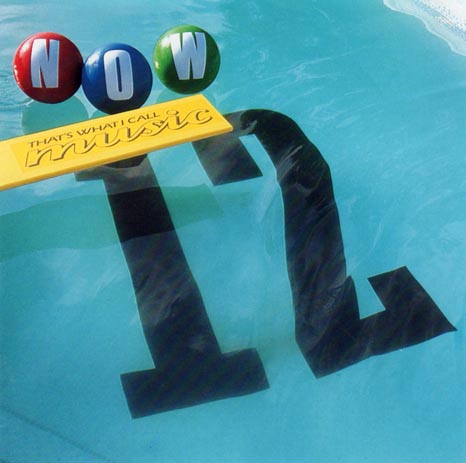
    Now_12So what does summer sound like to you? Maybe it’s some Hi-NRG dance track imported from the med by swathes of hormonal twenty-somethings. Perhaps it’s some cool, magic-hour ballad sung as the sun sets on another fleeting August romance. It may even be, at a stretch, the sound of Daleks screeching “loadsamoney” over a Gary Glitter sample. As dreadful as all those may sound, they are all present and correct on NOW 12, given a summer theme on its cover, and ALL are preferable to the dirge that opens the album.

    It’s always difficult to criticise charity records, particularly ones put together for a fledgling charity, with the best intentions, and which did amazing work in raising the charity’s profile. Sadly Wet Wet Wet’s awful version of The Beatles’ With a Little help From My Friends is pretty much indicative of how lazy and dreary the 80’s pop scene was becoming. The song was part of a re-recording of the entire Sgt Pepper album, as Sgt Pepper Knew My Father, by contemporary artists, organised by the NME to raise money for the then upstart ChildLine charity. Among the other artists involved were the more NME-friendly Wedding Present, Sonic Youth, Frank Sidebottom (!) and The Fall’s amazing cover of A Day In The Life. Also included, and backing up the Wet’s single, was a heart-breaking version of She’s Leaving Home by Billy Bragg. It’s emotional, moving, relates to the cause at hand in a much more human way than the Wet’s “let’s record the song right here”, slapped together atrocity. For a number one record, and one deemed worthy of opening a NOW album, it’s probably been all but forgotten now, and good thing too. Bragg’s song would have made a nice closer to NOW 12, to bookend the whole album. Lest we forget, the single was a double-A-side, so Bragg did technically get to number one also. Good fact to remember for pub quizzes, if you are ever asked what was Billy Bragg’s only chart topper.

    Smash Hits used this joke at least twice per issue in 1988
    Smash Hits used this joke at least twice per issue in 1988

    After this false start, NOW 12 settles into a summer groove which probably seemed very appealing and astonishingly up to date in July 1988, but now looks awfully dated and has one reaching for the ffwd button (or skip, you modern thing you) rather than the volume up. Belinda Carlisle’s Circle in the Sand has not aged well and what seemed impossibly exotic and sensual now sounds cryptic and downright odd, even if it does a good job of conjuring images of Californian beaches at dusk. A good thing too when you grew up in the mud hole of Weston-super-Mare. Maxi Priest’s Wild World has fared slightly better, probably because it’s a cover of a song from the 60s, and they generally do. It’s definitely chart friendly pop reggae, which was the turn also taken by former purveyors of the ‘real thing’, Aswad. They no doubt jumped the bandwagon on the back of the surprise success of their former single, Don’t Turn Around. The follow-up, Give A Little Love, on show here, is the kind of reggae that gives reggae a bad name.

    Four tracks in, and you are already beginning to fear for the integrity of the NOW series… Has the 80s finally got so bad, that even a NOW album can’t collect together a listenable collection of Top Chart Hits? Just when you think things can’t get any worse, pop comes flying to save the day in the nick of time. Climie Fisher’s Love Changes Everything is probably the best pop song on the whole album. I never liked it as a kid (thinking it soppy and girly) but now, as far as pure pop goes, I think it’s an amazing song. And like all the best pop, you can’t really explain or define why it works so well. It’s just perfect. The fact that Climie Fisher didn’t fully capitalize on its success (cruelly kept at number two by The Pet Shop Boys’ Heart) is truly baffling. Maybe the Stock, Aitken, Waterman pop puppet conveyor belt did for them. The fact is they were better song writers and producers than SAW, but like KFC, SAW knew the secret formula (possibly heroin) which kept the kids hooked and coming back for more. We’ll come back to SAW shortly.

    In a similar Adult-Orientated vein Elton John is back with, what I think is his best song of the 1980s. So of course, I Don’t Wanna Go On With You Like That was ridiculously unsuccessful, reaching only number 30. A stomping pop song with a wonderfully odd hydraulic hissing drum noise and a brilliantly camp video, I have a theory its chart chances were scuppered in its first week when on the top 40 show the CD stopped and the DJ (possibly Bruno Brookes) skipped to the next song in the charts. Given that the countdown was the only chance a of record buyers heard songs, I wonder if this had an impact on its sales the following week. Or maybe I’ve been reading too many 9/11 conspiracy theories.

    The young, impressionable me that didn’t care much for Climie Fisher did, for some odd reason, adore Scritti Politti’s Oh Patti, but I’ve no idea why. Listened to now, it’s got that familiar ‘plinky plonky’ artificial sound so abundant in a multitude of bland tunes around at the same time (some present on NOW 12), so I can only suppose what raises it out of the beige, for me, is the impression I always get from Scritti Politti that they are not taking themselves terribly seriously. There is always some witty word play, and a wry grin on Green Gartside’s face in every video. You get the impression he knows exactly how ludicrous this all sounds. It’s probably not a valid excuse for blandness to admit that you know it’s bland, and that’s sort of the point, but it does make you listen with slightly different ears. Someone who needs different ears was the person who edited the NOW 12 page on Wikipedia which (until recently) stated that the version of Phil Collin’s In The Air Tonight included was listed as the ’88 remix, but was actually the original recording. Sorry, but it is most certainly the remix, featuring as it does, a pointless, and barely audible, extra drum track from the start of the track, whereas the original, as we all know from our ‘oh so witty’ chocolate ads, features no drums until the gorilla starts playing them halfway through. This song will appear later on our journey on the back of said advert.

    Wrote a song about someone drowning after seeing someone drown. And is a gorilla.
    Wrote a song about watching someone drown after watching someone drown. And is a gorilla.

    After all that depression, side two puts us briefly back in the mood for a summer party promised by the cover, with the still wonderful Don’t Go, from Hothouse Flowers. Of course, the song is so impossibly upbeat it must actually be about something really sad, which it is, being about the death of a loved one. But, hey!, it’s still wonderfully jolly and its mix of harmonica, glockenspiel, accordion, Hammond organ and even bagpipes, can’t fail to put a smile on your face. Such jollity is short-lived, however, with Moz arriving to remind us that Everyday is Like Sunday. Growing up in a seaside town that they forgot to bomb, this song has always had an extra frisson for me and I still think it’s his best solo single. It doesn’t suffer from a too contemporary production that befell too much of his solo stuff (and some Smiths’ tracks too).

    From the tunefully downbeat we move to the dreamy pop balladry of Danny Wilson’s Mary’s Prayer…which I hate.  I know I’m invoking some pop fatwa here, but I really dislike this song. Maybe it’s the fact it rhymes “careless” with “care less” in the first verse. After that I’m done. You can’t come back from such a crass piece of song writing as that. And if it’s so great why did it have to be released three times before it was a hit? This wasn’t a song failing to find an audience; this was the record company hitting the public over the head with the record until we bought it. Which we (by which I mean you) did in our (your) droves. And, the minor success of The Second Summer of Love aside, Danny Wilson were never to trouble the charts again. Go back to football management, Danny.

    Also rubbish is yet another appearance for Johnny Hates Jazz (another act that the record companies loved to batter the public into submission with), with Heart of Gold, one of the few upbeat, jazz-influenced pop songs about the sex industry. Much better is Voice of the Beehive’s Don’t Call Me Baby. Good solid pop and a track that rarely gets an airing these days. You may be surprised to discover this was not their only NOW appearance, but we’ll get to their second in due course. Hair rock finds itself demoted from a whole side to just three tracks at the end of side two, with Iron Maiden making their only NOW appearance with Can I Play with Madness?, Heart’s turgid In Dreams, and T’Pau’s I Will Be With You, again a better song than China in Your Hand.

    I've been slagging them off for three albums, I could at least show a photo of them
    I’ve been slagging them off for three albums, I could at least show a photo of them

    Side two’s mix of and match of styles is probably a reflection of the fact that three and four are where the real party is at, and the first sign that NOW were starting to sequence the albums with CD’s in mind as well as the four-sided LPs and tapes. What follows is a huge dance fest of rap, soul, house, samples, Hi-NRG and enough Rolands to keep Grange Hill running for four more series  (If you’re younger than about 30 that will mean nothing to you). There’s also four further number ones, the first of which is now probably one of the rarest tracks to appear on a NOW album, as it never appeared on any other album and the single was deleted.

    The Timelords’ Doctorin’ the Tardis was, of course, the work of pop pranksters The KLF, before they became rich and famous under that name. Part of their attempt to completely subvert the music industry from within and bring it crashing to its knees, they created a massive number one record, made a fortune (which they allegedly set fire to in the name of art), used the song as the basis for a bestselling book, and got Gary Glitter back on Top of the Pops when such an act was just irritating rather than deeply subversive. Doctorin’ The Tardis is dreadful, but that’s not really the point. It demonstrated that the public will buy any old crap, which WAS the point. I’d forgotten that the Daleks said “Bosh, bosh, loadsamoney” though. That made me chuckle.

    Chuckles of a very different kind are supplied by Sabrina’s Boys, mainly as a result of the fact the over-endowed chanteuse can’t sing for toffee. The song is now only remembered for (and was possibly only ever bought as a result of) the video which featured Sabrina “accidentally” falling out of her bikini top for a split second. No chance of such shenanigans from Bananarama, sadly. I Want You Back was the first single featuring the long forgotten Jacquie O’Sullivan. Given the shameless candy floss sound it’s a surprise to find it had actually been recorded when Siobhan Fahey was still in the group, and her vocals re-done by O’Sullivan But it’s far removed from Venus or Cruel Summer, and sounds like a rejected Kylie b-side. So of course it was their biggest hit in years.

    One of the biggest hits of the year (the 5th biggest to be precise) was, of course, Tiffany’s I Think We’re Alone Now. Not much I can say about this that you probably don’t already know except it’s a brilliant pop tune (obviously, because it’s a cover of an old 60s song) but I always prefered Debbie Gibson, who, being signed to Atlantic (a subsidiary of Warner Brothers/WEA) only appeared on Hits albums. Boo.

    Tiffany, yesterday
    Tiffany, yesterday

    SAW return with Hazell Dean’s Who’s Leaving Who, which is far better than the Banana-fluff from earlier. Dean could never be a big chart star today, sadly, with her fuller figure, butch looks and songs that sound like an Essex Gloria Gaynor. She’d probably (and in fact does) have a cult following, but top ten hits? Unlikely I’m afraid, which is a shame. Who’s Leaving Who is a great hi-NRG tune hampered by unimaginative and repetitive lyrics. Very much of its time. That vibe continues with the Communards There’s More To Love, a track I was convinced was Jimmy Somerville’s first solo release. A plea for sexual tolerance, its sentiment is laudable, but musically it’s cheap and muted, reminiscent of, and far too similar too, the then re-vamped Grange Hill theme.

    Much better, and the absolute diamond in the rough of NOW 12, is Jermaine Stewart’s Get Lucky. Another one of those songs that managed to slip the net of my memory, maybe it just needed more mature ears. This is brilliant, frankly, a bit dark, with a sprinkle of the Will Youngs about it, so much so that with just a few knob twiddles to beef up the tinny production, this could possibly have been a hit for Mr Pop Idol himself in the past decade. Worth a listen.

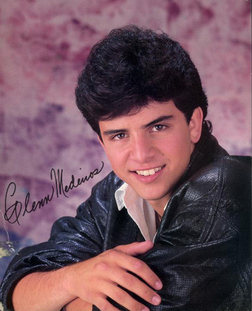
    Such quality cannot last and sadly that means the anti-music provided by Glenn Medeiros must be tackled. Nothing’s Gonna Change My Love For You was one of the most incomprehensibly popular songs of the 80s; a trite ballad, with added sleazy saxophone, a boring melody, cheesy lyrics and a soft focus video on a beach. Of course the reason it was popular was because it appealed to the wet-knickered fantasies of the more impressionable 13 year old girls of 1988 (some of whom may well be reading this now, and if so, I don’t apologise for that potentially disgusting image because you bought the thing and made it popular). No doubt the class of 2013 require a bit more raunch from their surrogate boyfs, or maybe not. It’s not like I know a bloody thing about what teenage girls think. I certainly know a damn sight less now than I did when I was surrounded by them at school. Though reading some of the stuff they tweet to Harry from One Direction they are maybe a tad more insane than back in my day. But sadly, I now hate NOW 12 for the simple fact that it made me listen to this bloody song again for the first time in 25 years. Thanks a bunch.

    Really?
    Really, girls?

    Even the fleeting glimpse back at greatness that Side four threatens to offer is short-lived.  The Theme from S-Express and Salt n’ Pepa’s Push It are, rightly, considered classics of their form, though I feel Push It’s star has faded slightly and what was once naughty and exciting to a teenager now seems a tad sleazy and unpleasant. Jesus, what has happened to me? Sleazy and unpleasant are two words that could also apply to Derek B’s Get Down, a wonderful track blighted by a final verse documenting a woman’s breasts “like basketballs” and how her downstairs lady parts were like “Niagara Falls”. Thankfully, there’s no such vulgarity on the rather wonderful Bad Young Brother which is the track that appears here. I’d forgotten how great this was, and there are little of the Americanisms that Mr Boland was accused of early in his career. This is (almost) proper London rap, and was instrumental in my teenage self’s fondness for the genre. It uses samples sparingly (the drum beat for Led Zep’s When The Levee Breaks and an “oh yeah” from prince’s Sign O’ The Times), unlike most hip hop of the time stole freely, often from the godfather of Soul, James Brown. To level the playing field somewhat (and no doubt to claw back some royalties) we get the Payback Mix. Put together by Coldcut it stitches together 23(!) different  James Brown classics, most of which were being sampled left right and centre at the time, to create one, bold statement that you can steal from the best, but the best will still be the best. It’s epic.

    Rose Royce gets the remix treatment too, for similar reasons no doubt, as it’s been estimated Car Wash is the single most sampled track of all time, as a result of its famous clapping intro. I doubt if many could tell this was a remix, to be frank. After such a classic, the rest of the album can only disappoint, and it drifts away on a tide of forgettable dance pop: Natalie Cole’s Pink Cadillac (a bit hit in the day, but not well-remembered now); flipping Jellybean again (Just a Mirage is actually the best of his NOW appearances, but that’s saying nowt); finally there’s Will Downing’s A Love Supreme. Meh.

    NOW 12 is a massive disappointment, particularly after NOW 11 had been so great. There are few outright classics, but there’s a lot of very skippable, mediocre, bland, forgettable ‘product’. And it’s this sense of churning out crap for the kids that permeates throughout the whole affair. There’s little innovative, game-changing tunes here, just a by-the-numbers, this’ll do attitude. Maybe as NOW was going back to three albums a year this is inevitable. We saw earlier in the series that the initial decision to produce three albums a year resulted in a severe drop in quality, so the same could be true here. But also, the industry seemed to be in the wrong mind set. The record industry didn’t know what to do about sampling (from a legal point of view) or the rise in house and hip-hop (from a financial point of view), so they just tried to rip off both, badly, and shovel more mass-produced plastic pop to keep the little ‘uns quiet.

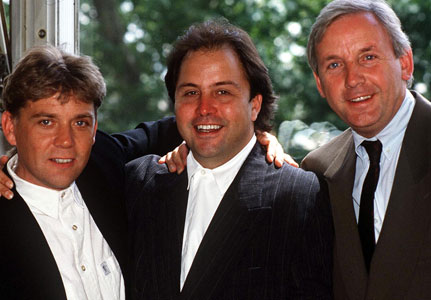
    These men are not MPs. They were far more powerful than that...
    Ed Balls, Danny Baker and Rodney Marsh celebrate another hit record

    NOW 12 is certainly NOT the coolest album around, David “the Kid” Jensen…

    Take Climie Fisher, S-Express and Tiffany out of the equation and all the great pop tunes are gone. Further take out the hidden gems (Don’t Go, Get Lucky, Bad Young Brother) and you’re left with a very sorry representation of the charts circa summer 1988. Going head to head with Hits 8 couldn’t have helped. The Hits albums were always a poor relation, but Hits 8 featured Aztec Camera (Somewhere in My Heart), Fairground Attraction (Perfect), Bros (I Owe You Nothing) and the wonderful Crash by The Primitives. It’s a far better collection.

    NOW 12 is probably the first album in the series that I would gladly never listen to again. I’m a cynical, heart-like-a-piece-of-flint kind of guy at the best of times, not an easily swayed teenager lost in the wealth of good feeling that the onset of the school summer holidays can bring. I need more than this. I need something out of this world…


    NOW THAT’S WHAT I CALL MUSIC 12

    Release date

    11th July 1988

    Biggest tracks

    I Think We’re Alone Now – Tiffany

    Theme From S-Express – S-Express

    Love Changes Everything – Climie Fisher

    Lost gems

    Get Lucky – Jermaine Stewart

    Bad Young Brother – Derek B

    Forgotten tracks

    Don’t Go – Hothouse Flowers

    With a Little Help From My Friends – Wet Wet Wet

    I Don’t Wanna Go On With You Like That – Elton John

    Worst Track

    Nothings Gonna Change My Love For You – Glenn Medeiros

    What’s missing

    Heart  -The Pet Shop Boys

    Got To Be Certain – Kylie Minogue

    Loadsamoney (Doin’ Up The House) – Harry Enfield


    Track listing

    Side one
    With A Little Help From My Friends Wet Wet Wet
    Circle In The Sand Belinda Carlisle
    Wild World Maxi Priest
    Give A Little Love Aswad
    Love Changes (Everything) Climie Fisher
    I Don’t Wanna Go On With You Like That Elton John
    Oh Patti (Don’t Feel Sorry For Loverboy) Scritti Politti
    In The Air Tonight Phil Collins
    Side two
    Don’t Go The Hothouse Flowers
    Everyday Is Like Sunday Morrissey
    Mary’s Prayer Danny Wilson
    Heart Of Gold Johnny Hates Jazz
    Don’t Call Me Baby Voice Of The Beehive
    Can I Play With Madness Iron Maiden
    These Dreams Heart
    I Will Be With You T’Pau
    Side three
    Doctorin’ The Tardis The Timelords
    Boys (Summertime Love) Sabrina
    I Want You Back Bananarama
    I Think We’re Alone Now Tiffany
    Who’s Leaving Who Hazell Dean
    There’s More To Love The Communards
    Get Lucky Jermaine Stewart
    Nothing’s Gonna Change My Love For You Glenn Medeiros
    Side four
    Theme From S-Express S-Express
    Push It Salt ‘N’ Pepa
    Bad Young Brother Derek B
    The Payback Mix (Part One) (Medley) James Brown
    Carwash Rose Royce
    Pink Cadillac Natalie Cole
    Just A Mirage Jellybean Featuring Adele Bertei
    A Love Supreme Will Downing