The world seems to thrive on revivals these days. Whether it’s dreadful sitcoms, the Gallagher brothers or Nazism, it seems we can’t go a week without something from the past being dredged up, brushed off and shoved back in our faces again. One such irritation the past few years has been the vinyl revival. Kickstarted by Record Store Day, a genuine attempt to revive the humble independent record shop which ended up getting hijacked by the major labels as a way of convincing £50 Man (remember him) to part with said amount of money for a limited edition 7” of a ropey live recording of a song he could probably find on Youtube if he could be bothered. The continued baffling success of the enterprise seemed to do more damage to those very retailers it was meant to promote, as they were starved of the product which was the very point, in favour of the resurgent high street stores. Well, HMV.
The Second Coming of HMV has been instrumental in the mass marketing of over priced vinyl for the ‘collector’s market’ and a whole new range of tatty players, the like of which used to be found cluttering up Woolworths (and Woolco) around this time of year.
(Full disclosure: Christmas 2016 saw me temping in said record emporium, and I was guilty of plugging players I knew to be substandard, mainly because customers would always roll their eyes in disbelief when I’d tell them they would probably need to spend over £200 to get a half decent player, while they were longingly stroking a Crosley Cruiser for £69.)
A Crosley Cruiser yesterday
But, as is customary, I digress. This also led to an outpouring of re-releases for vinyl which had previously been widely available to those who were happy to hunt for them, for a quid or two in their local charity shop. £20 became the standard price for a record as, after years of complaining the industry had ripped them off over the cost of CDs, men of a certain age were quite happy to let the industry rip them off over the cost of vinyl instead. Vinyl of albums they most probably already owned in at least one CD format.
NOW were never going to let an opportunity like this pass them by. But just as when they fluffed the CD releases of the original series (only releasing the inaugural album and then… none of the others!) they made the baffling decision not to re-release the series on 180gm vacuum packed collectable gorgeousness. No, they decided to re-release the original Christmas album, but not.
The Christmas Album: 12 Songs of Christmas
Happy Xmas (War is Over)
John & Yoko/The Plastic Ono Band
Last Christmas
Wham!
Fairytale of New York (Feat. Kirsty MacColl)
The Pogues
Merry Christmas Everyone
Shakin’ Stevens
Rockin’ Around the Christmas Tree
Brenda Lee
It’s the Most Wonderful Time of the Year
Andy Williams
I Wish It Could Be Christmas Everyday
Wizzard
Driving Home for Christmas
Chris Rea
Let It Snow! Let It Snow! Let It Snow!
Dean Martin
Merry Xmas Everybody
Slade
Do They Know It’s Christmas?
Band Aid
White Christmas
Bing Crosby
First up, I have no idea what this album is called. On the official NOW site it’s referred to (rather tellingly) as NOW Christmas Vinyl, HMV list it as The Christmas Album: The 12 Songs of Christmas, Amazon it’s NOW The Christmas Album (Vinyl). Who knows. What I do know is just a cursory glance at that tracklisting sets alarms ringing.
First off, there’s no way NOW could have done a genuine re-release of the original Christmas album. The presence of a certain Gary Glitter back in 1985 would have made it impossible. Another potential fly in the ointment is Queen. Thank God it’s Christmas was included originally, but has never appeared on any subsequent NOW Christmas release, for reasons I do not know. It’s a popular tune, gets loads of radio play, and Queen are on one of the NOW labels. I can only assume it’s a decision by the band.
Point two, there have been a fair few ‘classic’ christmas tracks released since 1985. Not many, I’ll grant you, but a few. And the lack of some of them on a NOW Christmas album (even a supposedly nostalgic one) would be sacrilegious. So out would go Shaky’s Blue Christmas in favour of Merry Christmas Everyone. The Greatest Christmas Song of All Time ((c) BBC4 and 6Music) Fairytale of New York also demands to be included, and neglecting Chris Rea’s Driving Home for Christmas would seem churlish. Mariah Carey’s absence, whilst irritating, is probably explained by the fact that she’s a bit too female and poppy for an album clearly aged at middle-aged men; see also The Waitresses’ Christmas Wrapping).
Not appearing on BBC4 anytime soon
But then things get a bit murky, as you realise some of the original tracks missing are pretty huge: Elton John, Jona Lewie, The Beach Boys, even Lord thumbs aloft himself, Macca. But what’s odder is those brought in to fill the gaps. Brenda Lee, Dean Martin and Andy Williams were nowhere to be seen back in 1985, so why include them now at the expense of, probably, better loved and highly regarded tracks that were included on the original release?
The whole enterprise stinks of a cynical cash grab with little regard for its origins, its audience or, frankly, its artists. It’s no better than £3 cds you see in the petrol station with tiny print on the back cover stating “some tracks may have been re recorded without the original artists”. The lack of the original NOW logo on the front cover is the final cherry on the turd.
As I said before, a proper re-release it completely out of the question, but a partial one, omitting the two tracks mentioned, and possibly even with the Shaky substitution, would have been better than what was released. The fact that in my six weeks Christmas work in HMV last year I only saw one copy come through my till may tell a story, but the fact it’s back in the shops this year (and being plugged by said shops) would also suggest they still think somebody wants it. But then if it’s only going to be played on a Crosley Cruiser for a few weeks of the year, what does it matter?
By 2005, it had been five years since the last NOW Christmas Album, and it was time for a reboot. But things had changed in the interim. Popstars: The Rivals and lying in wait The X Factor, had the Christmas number one all but monopolised, which had a strange effect of leading to both the dullest ‘races’ for Christmas number one ever and also a resurgence in the popularity of the Christmas music of old. The previously mentioned Golden Period from the early 70s to mid-80s became particularly venerated on radio and on the multitude of music channels now available. Unfortunately, this didn’t lead to a great deal of new Christmas music, at least not any GOOD new Christmas music, which may explain the decision to slim back NOW Christmas 2005 to a single cd.
It still retains the core tracks you would expect with no surprises or baffling inclusions, bar one. A chap called Patrizio Buanne, who sounds like a lecherous ice cream man with an awful karaoke backing track. It’s so stinky bad it makes you think Michael Buble isn’t actually that bad.
https://www.youtube.com/watch?v=vl4RpS-Gmv0
The album does, though, feature the giant Perspex NOW lettering in a suitably festive landscape, but labels itself as NOW Massive Christmas Hits XMAS which is a tad unwieldy. This may have been a dig at the BMG/WEA backed Christmas Hits (as in NOW’s great 80’s rival, The Hits Album). They had knocked out their first spoiler album in 2001, utilising a near identical track listing to NOW, beefed up to 50 tracks, but crucially including those big tracks (well, two tracks) NOW no longer had the use of: Wham’s Last Christmas, and the more recent Christmas classic Mariah Carey’s All I Want For Christmas. Christmas Hits would appear again in 2004, expanded to 60 tracks and filling itself with a lot more obscure (to UK ears) tracks by the likes of Linda Ronstadt and a Backstreet Boys B-side. On the plus side it includes T-Rex’s oddly neglected Christmas Bop and Wombling Merry Christmas. So it’s clearly brilliant.
In 2006, and no doubt noticing a distinct drop in their December cashflow the previous year, NOW Christmas is back and up for a fight, expanding to 3 discs and 60 tracks. Its title is back to the more normal, NOW That’s What I Call Xmas, but it’s still using Xmas instead of Christmas. No doubt this is something they focus grouped.
(This link to Allmusic is the only tracklisting I can find for the 2006 release; the info on the official NOW site is incorrect, and is actually the 2009 release. Oops.)
Upping the ante to three discs results in some fine introductions (The Waitresses finally make an appearance, a couple of Motown classics, Squeeze’s long forgotten Christmas Day, to my knowledge the only Christmas song to namecheck Morecambe and Wise, feel free to prove me wrong in the comments), a selection of much older tunes and some carols for the oldies (disc 2 would no doubt be given short shrift by the kids) and the inevitable contract fulfilling excretions by EMI/Virgin acts, although ALL of the dreadful tracks mentioned on the 2000 release (Robbie, Spice Girls, Ronan Keating, Billie) have gone. Thank Christ.
In their place however, we get Samantha Mumba’s horribly weedy (and far cheaper, in every respect) version of All I Want For Christmas Is You. Despite its belief that a Spector-like Wall of Sound is achieved by chucking as many different sounds into the mix as possible, it actually achieves the near impossible feat of making perhaps the best Christmas song of the past 25 years utterly unlistenable. It even steals Macca’s squelches. Slow hand clap.
https://www.youtube.com/watch?v=obsUKs78VhY
Slightly saucy Andrew Sisters knock-offs The Puppini Sisters (who, incidentally do a rather superb Dixie jazz version of the Mariah track) deliver the most recent track on the album. Their fun version of Jingle Bells was made available as a download only track, but only AFTER the NOW album had already been released. It was all good publicity for them and their soon-to-be released album, no doubt. Girls Aloud’s Not Tonight Santa is one of the bonus guffs from the Christmas cash-in release of their album Chemistry in 2005. It’s the slightly naughty tale of the Girls’ boyfriend (it’s not clear if they all share the same one or if they are singing about their own significant others) and what he can offer that Santa can’t. Sadly, they missed the opportunity for references to bulging sacks and only coming once a year. It’s fairly dreadful, considering the cracking tunes they could knock out.
His great Lord Cliffness manages to snag three places on the album, with the perennial Mistletoe and Wine being joined by the almost as ubiquitous Saviours Day (whose video reminds me so much of the Wicker Man I once mashed them up) and long forgotten almost-Christmas-number-one-that-no-one-remembers, Little Town. No idea why, maybe Cliff had a Greatest Hits out that year.
https://www.youtube.com/watch?v=YJzdxjGEWhk
Other newcomers include a one-time only appearance of Kate Bush’s Home for Christmas. It’s pleasant but inconsequential (it’s less than two minutes) and pales next to the brilliant December Will Be Magic Again. There’s also Band Aid 20, the ’20 years on’ rerecording of Do They Know It’s Christmas? with a bunch of acts most of which have now been long forgotten just 11 years later. There are many problems with this, the biggest of which is that it gave Sir Bob a handy excuse to forever consign Band Aid II (the Stock, Aitken, Waterman version) to the dustbin of musical history forever. There was the fact that Robbie Williams and Dido desperately wanted to be on it, but couldn’t be arsed to get to the studio with everyone else, but they still let them record a bit and included it; there’s Justin bloody Hawkins who thinks a Christmas charity song is the perfect place for his oh-so-ironic axe wanking; there’s bloody Bono and that bloody line (obviously he had his nose very much put out by Matt Goss and Jason Donovan’s reading of the line in 1989 that he felt compelled to come back, despite the fact Mr Hawkins was intended to sing it); there’s the fact that Bananarama weren’t even asked to be on it, and maintain a 100% appearance rate; there’s Chris Martin’s bafflingly out of tune piano; there’s the Sugarbabes sounding like a computer generated girl band; there’s the John Lennon/Give Peace a Chance ending. Perhaps the most maligned aspect at the time of release was Dizzee Rascal’s rap. Listened to now, that’s probably the best part. At least he’s trying, everyone else sounds so utterly bored. One of the problems with Band Aid 20 (and its later 30 cousin) is the sense of duty involved. Adele got absolutely pelted by the media in 2014 for not appearing on Band Aid 30 despite Bob Geldof insisting he never asked her. If you don’t appear on a Band Aid single you are worse than Hitler. So artists trudge to a grotty recording studio on a cold Sunday morning, probably the worse for wear, and sing a song they’re probably just as sick of hearing as we are. You’re bound to be sound a bit bored. At least on the 1984 original the concept alone was exciting enough to generate much enthusiasm (that and coke, probably), but no one ever thinks about why (let alone gets angry because) so and so isn’t on it (Clare Grogan of Altered Images has at least admitted they were asked and they turned it down, brave girl.)
Sod it. You’re not going to hear it on the radio this year. Or any year.
Even Band Aid 20 isn’t the worst track on NOW Christmas ‘06. State of the Heart’s smooth jazz radio version of Last Christmas takes that particular accolade this time round.
There is a rogue element on here that should be mentioned though: East 17’s Stay Another Day. It’s not a Christmas song. It’s sentimental, yes. It’s got bells on, yes. It has a suitably snowy video wiv da boyz from Da Stow in dare puffer jackets, innit. But it ain’t a Christmas song.
Onto 2009 which features identical artwork but a different tracklisting. A couple of attempted ‘modern’ Christmas songs find their way onto this one, some of which never saw the light of day again. Probably the most celebrated (i.e the one you hear the most) was from Spinal Tap wannabes The Darkness, whose Christmas Time (Don’t Let The Bells End) from 2003 was a genuine attempt to wrestle the Christmas number one back for ‘proper’ Christmas songs. You know, proper Christmas music made by sarcastic piss takers who want to write themselves a fat annual cheque. It’s as cynical and calculated as anything The Dark Lord Cowell ever does and the fact people thought this should be number one over the Popstars is frankly laughable now. What was most chucklesome at the time was the fact that it DID outsell that years’ Pop Idol contestants version of Merry Xmas (War Is Over) (good lord) but couldn’t outsell Gary Jules’ Mad World, a song which managed to out depress Tears for Fears, and instill itself into the nation’s hearts. That track has yet to find itself of a NOW Christmas album, but is a Christmas music channel staple now.
(Amazingly, The Darkness, who have had what some may refer to as a comeback this year, are having another pop at the Christmas charts in 2015, withI Am Santa, an utter dirge of a tune which even a wonderfully well made retro video can’t rescue.)
Other newcomers include Gabriella Cilmi (Warm This Winter) whose attempt at a career in the UK (rather than in her native Australia) needed a boost. What better way than to have your Christmas track included in a supermarket ad campaign, along with a NOW appearance. The Wombats (crazy name, crazy guys) tried their hand at the ‘tell it like it really is’ Christmas song, which isn’t bad, but not exactly great either. For a song from 2008, there’s a distinct whiff of 2005 about this. If you heard it on the radio you’d struggle to recall if it was The Kaiser Chiefs, Futureheads, Razorlight or any number of XTC-rip off merchants from the dark days of the mid 00’s. Even an introduction from Les Dennis can’t raise this above ‘meh’.
Other than this the 2009 vintage is starting to taste extremely familiar, with only the late arrival of The Pretenders’ 2000 Miles and Chris Rea’s Driving Home For Christmas (finally) making the thing slightly more definitive than it ever has. Wham and Mariah are still missing, but we still have State of the Heart and Samantha Mumba to annoy the hell out of people who only want to buy one album with all their faves on it.
2010 appears to be identical music wise, but the artwork has been subtly changed from red to purple and given a tad more room to breathe. The Wombats are still on it.
Joy to the world! The Wham has come! In 2012 people stopped writing crap Amazon reviews of the NOW Christmas Album because of ‘the shitty instrumental version of Last Christmas’ because, finally, Wham’s version returned to NOW for the first time since the original release. In light of this it was also given a prominent place as number three in the almost immovable disc one tracklisting. That running order was given a bit of a spruce and shake up. Not radically so, but at least it didn’t look like nothing had changed, as with the previous couple of go arounds.
George Michael’s second appearance on the album comes from his more recent, and rather neglected, Christmas song, December Song (I Dreamed of Christmas). It’s a proper heart-tugger, which features one of George’s best vocal performances for years. It’s in no way a party tune though, which may account for its lack of airplay in the time since its release in 2009.
Whilst State of the Heart had to give up their slot of Last Christmas to its rightful owner, Samantha Mumba suffers the indignity of being let go in favour of ANOTHER cover version of Mariah’s hit, from someone (or something) called Lady Antebellum. Now, I had to look this one up because that name meant less than bugger all to me, and I really wish I hadn’t. I wonder if this is supposed to be one of those ‘cool christmas’ things that have been popular for a while whereby hipster acts do covers or even attempt a new Christmas song (I blame Sufjan Stevens for all of them). This comes across like S Club 7 trying to do a really heartfelt reading of what was a great pop song. It’s almost interchangeable with Never Had A Dream Come True.
https://www.youtube.com/watch?v=cmbLDpy4z50
Mick Hucknall’s Happy This Christmas can, however, sod off. No hit for years? I know, I’ll write a god awful song, stick Christmas in the lyrics, add some bells and ‘little drummer boy’ percussion. Bingo! Or not. It didn’t chart. If it wasn’t for this blog post, and the radio station Smooth Christmas, I would probably never have heard it.
In other changes The Darkness (after just one appearance), Tom Jones and Cerys Matthews, and, sadly, Squeeze, were let go, and replaced by the distinctly unfestive Coldplay (another dreary would be ‘modern classic’), a suprising return for Sinead o’Connor (her brilliantly haunting Silent Night) and mum favourites Il Divo.
The 2013 release should have been a cause for much celebration as Mariah Carey’s All I Want For Christmas finally made its NOW debut (straight in at number two, pop pickers; John Lennon is still hanging on at number one after all these years), but this is a tainted release for just one reason, and massively controversial it was too (in my head). The past few years have seen the emergence of a new Christmas tradition, and like all great new Christmas traditions it is in fact the revival of an old one. When I was a lad way back when, Christmas didn’t start until the unveiling of that years star-studded Woolworths christmas advert (also available at Woolco). Whether it was Eric Bristow battering a kid at darts, Anita Harris twirling a record stand, Joe Brown being a ringmaster, or The Goodies dancing to an astonishing Super Trouper knock off, you could guarantee it was all anyone was talking about the next day. That and which Star Wars figures you weren’t going to get this year. Well, that tradition is back with us, with many proclaiming John Lewis Day as the official start of the yuletide festivities now. This has not only led to ever increasingly budgeted super commercials by them and their rivals, but also a clamoring to be the unknown (or in Lily Allen’s case, desperate for the work) artist doing an insipid cover of a (sometimes) very famous song in the ad. In 2012, whilst the ad was very good (the snowman getting his snow lady a scarf) the accompanying song was anything but. Worse, Gabrielle Aplin’s cover of Frankie’s The Power of Love usurped its big brother on the NOW album that followed it a year later. I’m not sure why though. The Power of Love is, frankly, one of the best songs of the 80s; powerful, evocative, gut-wrenchingly beautiful, brilliant produced, and, rather sadly in my eyes, a Christmas classic (I say sadly, because it’s so much better than to only be confined to December airplay). Aplin’s version retains none of the original’s potency, replacing a strong message (which incidentally fits the ‘never say die’ message of the ad much better) with a weedy, fragile vocal where the singer sounds like she can barely finish the song. And a year later, no one even remembered it, because, like most Christmas related things, you forget about last year because this year is already creeping up the drive ready to shove a ‘Ho, Ho, Ho’ up your jacksy any second now. No one would have noticed if Aplin’s version wasn’t there; no one would have set up an online petition demanding to know why NOW how snubbed it. No one would have cared. I imagine many DID care that Frankie wasn’t there.
Even more annoyingly it was still present and correct on the 2014 release, which is a carbon copy of 2013.
I don’t think it’s an exaggeration to suggest NOW Christmas 2015 may be the best edition since the first, 30 years ago this very year. The convergence of record companies over the years has led to a situation where almost every major label (Warners being the exception) now falls under NOW’s umbrella, meaning almost everything is up for grabs. What this means is that they can now separate the wheat from the chaff and still knock out a 70(!) track compilation that would keep most festive parties happy. The tracklisting has been shaken to its very core with John Lennon finally forgoing his position at the top of the tree for the first time since the original release (both on the record and in the ads too, where he is now nowhere to be seen) to be replaced by Mariah Carey. No harm done. Interestingly, along with Lennon, many of those survivors from 30 years ago now find themselves bringing up the rear on CD3, including, rather surprisingly, the original opener, Band Aid, though thankfully only in its original incarnation with Band Aid 20 falling by the wayside and (Jesus praise you) no one had the bright idea of including Band Aid 30.
There is a sprinkling of new tracks and a massive addition of new/old tracks too. The actual new stuff (as in songs from the past few years) seems to fit quite nicely, and I’d actually be happy to see them again. Kelly Clarkson manages the best Spector sound-a-like since Mariah’s with the big and bouncy Underneath the Tree. THAT’S how you do a modern Christmas song.
Leona Lewis’ One More Sleep is a perfectly pleasant modern confection which is so in thrall of Christmas past its video even knocks off the one for Last Christmas. The inclusion of Do You Wanna Build A Snowman? is, sadly, inevitable, but at least it isn’t Let It bloody Go, so we should be thankful for small mercies.
What takes it up to another level is the extra classic Christmas tunes of old, many of which will be ingrained in your brain from endless Christmas shopping trips and Christmas movies, but have never before appeared on a NOW Christmas Album. James Brown’s masterful reading of Merry Christmas Baby and Eartha Kitt’s version of Santa Baby are just the start of it. We now have half (HALF!) of the Phil Spector Christmas album. the missing tracks are all replaced by other versions of the songs with the exception of Parade of the Wooden Soldiers (which means naff all to UK listeners) and, tragically, Darlene Love’s majestic Christmas (Baby, Please Come Home), a song the combined mights of Springsteen, Bono and Buble have failed to tarnish. Marshmallow World is here though, and that’s almost as good.
There’s also a superb Ella Fitzgerald hat-trick, providing criminally ignored versions of Sleigh Ride, The Christmas Song and (along with Louis Jordan) Baby, It’s Cold Outside.
https://www.youtube.com/watch?v=tnEbRaFaqfg
https://www.youtube.com/watch?v=4xg6FcaYHf4
There appears to be a great deal of thought in the sequencing of the tunes too, with CD1 clearly being everyone’s favourites along with the party and more up to date hits; CD2 is the classic disc for the oldies (and the not quite that oldies); and CD3 is the more thoughtful, sombre side of christmas, with a couple of carols chucked on for good measure.
But there is one very notable, and elephant-in-the-room-sized omission. Stevie Wonder may be singing about what Christmas means to him, but to a great deal of the UK population, when it comes to Christmas music, Christmas means to them… Cliff Richard. But he is nowhere to be seen. How has the Lord Cliffmass himself managed to go from three tracks a few editions ago, to none. Normally I’d speculate wildly here about the reasons for it, but I can’t afford very good lawyers, so I’ll leave you make up your own minds. Some may argue it isn’t Christmas without Cliff. I am not one of them.
“Hello ladies…”
It’s pretty difficult to see where NOW Christmas goes from here. Obviously we could see a swathe of new Christmas classics released in the next few years, but I doubt it. How many could you name from the past decade? Looking back over the past 30 years, it’s amazing that almost all the original 18 tracks on the 1985 edition have survived all this time. Obviously Gary Glitter isn’t here anymore; Queen’s Thank God It’s Christmas seems a strange omission, but the fact that it has never appeared again after the 1985 edition may suggest the band don’t want it included; Shakey’s Blue Christmas was quickly replaced in the nation’s affections by Merry Christmas Everyone, so that’s an acceptable loss. But the rest are all still here, most of them ever-present. I think that’s rather lovely. And makes me wonder if my generation’s views on Christmas music were probably shaped by that album. I obviously know sod all about the kids today, but I often feel my generation is the one that most cherishes Christmas music, the generation that most enjoys it, reveres it, and criticises the fact that none of the new stuff is as good as the old stuff. I’ve said elsewhere on this blog that I believe everyone thinks the pop music from their youth is the best period. With Christmas music, I don’t think that’s the case at all. I think everyone, no matter how old, could pick their top ten Christmas tunes, and it would encompass a vast, diverse range of artists, periods and styles. And they’d probably all be quite different as well. Though most would probably pick Fairytale of New York or All I Want For Christmas as their number one, instead of Wombling Merry Christmas. The idiots.
The internet never fails to amuse itself by asking “Want to feel old?”, does it? “Here’s what the kid from Cadbury’s Fudge advert looks like now”, “We’re now further away from the release of back to the Future than the number of years Marty travels in the whole trilogy”, and of course, “That person you fancied in your teens now looks like your Nan/Grandad”.
Well, now it’s my turn. Want to feel old? This year marks the 30th anniversary of the release of the first NOW Christmas album. Yep, 30 years since this the sound of John Lennon heralded the arrival of one the most ubiquitous adverts of the festive season (everywhere except on You Tube it seems, where the original remains oddly elusive), and the album became a party must-have for every generation that followed.
If you weren’t around when the first NOW ChristmasAlbum landed in 1985, it’s difficult to convey just how legendary this was. Finally, all your favourite Christmas songs could be found on one album (if the words ‘favourite’ and ‘Christmas songs’ do ever feature in your particular vocabulary). In the dark times, before NOW, Christmas albums fell into very distinct categories. There was your album of standards popularised by the likes of Bing Crosby, Perry Como and Frank Sinatra (in our house the Elvis Christmas Album would hit the deck as we were decking the halls and wouldn’t leave the record player until mid-January). Occasionally, someone like James Brown would pop up with a truly interesting attempt to do something different, but these were rare and often overlooked in the December record buying chaos. (Brown’s Funky Christmas is a brilliant piece of work, combining the familiar and new, socially conscious Christmas fare. It does have a dreadful, fuzzy felt-style cover though). Next was your loose collection of artists from the same record company performing contractually-obligated numbers for a ‘Merry Christmas From…’ collection (the best examples hail, of course, from Motown and the Phil Spector Christmas Gift For You, which hasn’t let the fact that the producer/genius/nutcase is a convicted murderer prevent it from being an annual best seller). There was also your ‘Sing-a-long-a-thons’ from the likes of Chas n Dave and Max Bygraves, instrumental concoctions from Mantovani and James Last, and the inevitable Carols from King’s type affair. As ‘traditional’ as these may all have been, come the 80’s it was very difficult to have a Christmas party and only stick one album on. At least for an hour. Party DJs needed serious help, and Christmas 1985 saw that help arrive in the shape of the first NOW Christmas Album.
If you’ve paid any attention to this infrequently updated collection of ramblings about 80s pop, you’ll know that by the end of 1985 NOW was huge business. The regular series of chart compilations were beginning to be augmented with additional collections under the NOW brand, starting with NOW Dance in the summer of 1985. A Christmas addition must have seemed like a no brainer, particularly with so little serious competition. Even nearly 30 years on the tracklisting is pretty definitive, having the advantage of coming at the end of the Christmas song Golden Age which kicked off in the early 70s, with the likes of Mud and Slade, and ending with Band Aid, Wham and Shakey’s Merry Christmas Everyone (1985’s yuletide chart topper, but sadly, and obviously, omitted).
The great thing here also is the songs are all so ingrained in your brains that I don’t have to spend too much time discussing the merits (or otherwise) of individual tracks and can instead witter on about useless trivia and be rude about Chris de Burgh and Paul McCartney. Hooray!
NOW That’s What I Call Music – The Christmas Album (1985)
(The spine title is NOW – The Christmas Album. The cassette version was known as NOW – The Christmas Tape, and the CD release in 1986 was, rather cunningly, titled NOW – The Christmas Compact Disc)
Tracklisting
Do They Know It’s Christmas?
Band Aid
I Wish It Could Be Christmas Everyday
Roy Wood With Wizzard
Merry Xmas Everybody
Slade
Last Christmas
Wham!
Step Into Christmas
Elton John
In Dulci Jubilo
Mike Oldfield
Another Rock ‘N’ Roll Christmas
Gary Glitter
Wonderful Christmastime
Paul McCartney
Blue Christmas
Shakin’ Stevens
Merry Christmas (War is Over)
John Lennon & Yoko Ono*
I Believe In Father Christmas
Greg Lake*
A Spaceman Came Travelling
Chris De Burgh
Stop The Cavalry
Jona Lewie
Little Saint Nick
The Beach Boys
Thank God It’s Christmas
Queen
Lonely This Christmas
Mud
When A Child Is Born (Soleado)
Johnny Mathis
White Christmas
Bing Crosby
(* – omitted from the 1986 CD re-issue)
As I said, that’s pretty much all you need, right? Everyone is going to have their favourites on that, but for me the standouts are Step Into Christmas (a song I seem to love more and more each year), In Dulci Jubilo, and Greg Lake’s wonderfully sardonic I Believe In Father Christmas, a song written in criticism of modern Christmas that has become a staple of the very thing he is railing against. I’m sure his bank manager doesn’t mind though. That’s not to say Slade, Wizzard, Wham and all the other artists whose names are only one word bring nothing to the table. Christmas would not be Christmas without Noddy’s yell, Roy Wood’s glittery cheeks or George Michael’s bouffant, even for someone like me who endured seven years of shop work at Christmas having them beamed directly into my cerebral cortex from mid-October.
Obviously there are some problems though. The ridiculously popular-with-my-Dad-for-reasons-I-never-understood A Spaceman Came Traveling has much to answer for, not least because it was included here BEFORE De Burgh became a star through The Lady in Red. No one had given a toss about this song for the previous decade, so its inclusion here not only led to it gaining a reputation as a ‘Christmas classic’ (and annual appearances everywhere) but also increased his popularity with the public and, probably, led to the success of The Lady in Red the following year. Chaos theory.
The other pop music criminal hiding in plain sight is Macca, positively glowing on the cover whilst delivering one of the worst pieces of music ever recorded. I’ve said before that the billions he made off of Yesterday and Hey Jude were just flukes, and I submit Wonderful Christmas Time as Exhibit A. Maybe that theory about him dying in the 60s are true, because it’s hard to believe that the same guy wrote this and Hey Jude. What IS that squelching noise? It sounds like a synthesised version of someone playing a guitar through a synthesiser. And then synthesising it. Take the sleigh bells off and you’ve just got a squelchy noise. Macca apparently recorded the whole thing himself, which is a shame as he could have done with a Wing or two to point out it was shite, despite making him a reported £200,000 a year. Which just makes me sick. (I’m rather fond of this Tom McRae cover version which, for me at least, wonderfully sums up the utter joylessness of listening to the bloody thing.)
Paul McCartney, Yesterday
And Christmas wouldn’t be Christmas without a little Glitter. Yes, we are never going to see Another Rock n Roll Christmas gracing a UK Christmas compilation ever again, because while it’s fine to continue to swell the coffers of a convicted murderer like Phil Spector, Glitter is now considered something less than human. It’s still a great track, though. There, I said it.
Of the rest, Shakey’s Blue Christmas seems like an afterthought to modern eyes, presumably because he didn’t want Merry Christmas Everybody included and damage his chances of getting the festive top spot (he’d already held the track back a year to avoid a clash with Band Aid in 1984) and it was cheaper than licensing the far superior Elvis version (which, although not the first recording is probably the definitive recording). In fact Shakey’s version was a huge hit, and was only stopped from being his first festive chart topper by the baffling popularity of Renne and Renato’s Save Your Love; The Beach Boys experiment with the sleigh bells which they would soon adopt and become the only band allowed to use them the rest of the year; and Jona Lewie becomes a millionaire overnight despite not actually writing a Christmas song (this is a theme which will recur as we move through the ages, not least here, where Johnny Mathis’ When A Child is Born makes no specific reference to Christmas beyond mention of a ‘tiny star’, but the production is amazing…)
Ol’ Black Eyes, Bing Crosby, is the sole inclusion from outside the Golden Age, but you always need something for the old folks, don’t you, so what better than perhaps the most famous Christmas song of all time (and even that made the top 10 during the Golden Age, in 1977).
The Golden Age of the Christmas song is worth brief further analysis (with the emphasis on the word anal) as it’s often bemoaned that the recent crop of crimbo chart-toppers (say, the last 20 years) aren’t really in keeping with the spirit of the occasion, being as they are now manufactured and manipulated by the telly to snag the top spot from the rightful grasp of some millionaire pop stars ruthlessly manipulating the charts by releasing a festive themed tune around December in the hopes of securing the summit, and a tasty pension pot at the same time. This is, of course, nonsense. In the entire history of the singles chart only 12 Christmas number ones have actually been about Christmas. That’s 12 out of 61. That 12 includes When a Child is Born (which is tenuous), 3 Band Aids, 2 Mary’s Boy Child and Slade and Mud. But not Wizzard. It doesn’t include the ‘adopted’ Christmas songs such as East 17’s Stay Another Day, which just happened to be number one at Christmas, and thanks to the music TV channels are as ingrained in the public consciousness as any number of sleigh bell riddled ditties. It is interesting though that five of those twelve appeared between 1973 and 1985, and since then only The Lord Antichrist Cliff and Band Aid have had actual Christmas number ones. So any talk that the Christmas number one isn’t the same as it used to be is both way off the mark, but also true if you of a certain age (as, to be fair, most people who complain about it are).
But what of NOW, or rather ‘then’. The first NOW Christmas is pretty perfect but a few omissions stand out. From today’s perspective, The Waitresses’ Christmas Wrapping is perhaps the biggest miss, but the fact is it wasn’t a hit when released in 1981, and only made number 45 the next year, the compilers may have assumed the public wasn’t interested. Kate Bush’s December Will Be Magic Again is a more puzzling MIA as Ms Bush is an EMI stalwart and the song is now a long forgotten gem. The Pretenders’ 2000 Miles, Bowie and Bing’s Little Drummer Boy and Wombling Merry Christmas can be excused by, presumably, prohibitive licensing fees from rival record companies. Paying extra for Wham’s Last Christmas (the biggest selling single in the UK not to get to number one, fact fans!) is one thing. It’s a bit harder to justify it for a bunch of overgrown muppets, even if it is one of the greatest Christmas songs ever.
While we’re on the subject of myth debunking, here’s another: NOW do not re-release the Christmas album every year, and add one track to the tracklisting to get you to buy it again. That would be silly, and not very cost effective. But mostly silly. The album (in its most recent incarnations) is certainly re-issued every year but the tracklisting has only changed nine times in the 30 years since the original release, and all of those changes have occurred since 2000. (Wikipedia states that the original album was reissued in 1986 missing the Queen track, but I haven’t been able to verify this and every copy available on eBay and Discogs seems to have the track present and correct. The first CD issue, also from 1986, is missing the Greg Lake and John Lennon tracks for some reason, but the Queen track is on it, so it would appear odd for it to be taken off of the vinyl and cassette. The track has, however, never appeared on any subsequent new release.)
Part of the confusion for this may arise from the fact that for some reason in 1989 EMI broke ranks from their NOW partners and released It’s Christmas. The tracklisting was near identical but out went Wham, Mike Oldfield, Gary Glitter and Queen, in came Cliff’s Mistletoe and Wine, the aforementioned Kate Bush track, Brenda Lee’s Rockin’ Around the Christmas Tree and Nat King Cole’s The Christmas Song. Shakey’s Merry Christmas Everyone replaced his Blue Christmas. It’s branding and cover design are near identical to the NOW design, so it’s very easy (and probably deliberate) that many punters assumed it was the latest incarnation of the more famous cousin. It’s Christmas was reformatted as It’s Christmas Time in 1992, with Glitter and Queen reinstated, as well as Steeleye Span’s Gaudete, which the kids had been crying out for inclusion on a Christmas compilation I’m sure. And more was to come.
Before NOW Christmas was rejigged and re-released at the turn of the decade/century/millennium (delete where appropriate) Virgin would become the second NOW partner to go rogue, in 1993, releasing The Best Christmas … Ever! This album raised the stakes by being a double, and brought in a lot more ‘classic’ (i.e. old and possibly neglected) Christmas tunes from the likes of Eartha Kitt, Doris Day and Dean Martin. More modern tastes were catered for by Snap’s Mary Had A Little Boy and Enigma’s Sadness, which was one of many songs included for their more tenuous links to Christmas (others included Freiheit’s brilliant Keeping the Dream Alive and The Flying Pickets 1983 Christmas chart topper, Only You) which just struck of padding. Along with the usual suspects, some interesting inclusions included a rare appearance for Mel (Smith) and Kim (Wilde)’s version of Rockin’ Around the Christmas Tree (recorded for Comic Relief in 1987) and Miles Davis’ extraordinary Blue Christmas, which is sequenced immediately before Willie Nelson’s version of the more famous song with that title! An almost identical tracklist appeared as the more familiar sounding Best Christmas Album in the World… Ever! (along with truly terrifying cover art)in 1996.
Various other cheaper, tattier, collections would start to litter the shelves of Our Price throughout the 80s and 90s, but special mention must be made of A&M records A Very Special Christmas, which managed to avoid all the obvious Christmas tracks, and included tracks from the likes of Eurythmics, U2, Bob Seger and the Silver Bullet Band and is possibly the only mainstream Christmas collection to include Run DMC’s Christmas in Hollis (“This IS Christmas music, man!”). Sadly, while it includes a Bon Jovi track, it isn’t R2D2, We Wish You A Merry Christmas.
And so we all meet up in the year 2000, a year which once seemed to promise so much but which ultimately delivered exactly the same stuff in slightly different packaging… like the NOW Christmas Album (do you see what I did there?). After 15 years the annual festive best seller was given a dusting down, a spruce up and an influx of some 22 extra tracks. In keeping with The Best Christmas Album a few years before, a single disc just wouldn’t cut it anymore, and whilst this means an increase in great tracks from the 50s and 60s, it also means more tenuously connected tracks (Angels?), along with some truly bizarre cover versions to bring down the cost of licensing the more famous versions, as we will shortly see.
(From this point I’ll link to the official NOW site for tracklistings, or this is going to get very very very long)
Firstly, the cover. It’s dreadful. The giant floating Perspex letters in space had long been established as the NOW house style, so, I’m not sure what they were thinking branding the Christmas album with what looks like a Poundshop tree topper, and with the NOW logo banished, almost invisibly into the corner. This may go some way to explaining its relatively poor sales, but I would suggest the tracklisting helped also.
Of the new additions, no one can possibly argue with the inclusions of Dean Martin, Nat King Cole, The Jackson 5 and Brenda Lee. The Love Unlimited Orchestra’s It May Be Winter Outside is pushing things a bit, but I’ll let it slide, along with Frankie’s The Power of Love which pub bores will argue about til the cows come home; fact is, it’s not a Christmas song, even if the video did play up to its release date, but I’d miss it if it wasn’t here, mainly because it’s one of the best songs on offer. Walking in the Air seems a no-brainer as well, despite not exactly being a party tune, but then neither is Sinead O’Connor’s Silent Night which is almost as good (but not nearly as bone-chilling) as Simon and Garfunkel’s take on the carol (including THAT would have taken a very brave man). Tom Jones and Cerys Matthews Baby It’s Cold Outside had taken about 30 nanoseconds to become a Christmas mainstay, and in the process rejuvenated a long forgotten song for a new generation and even more cover versions in the following years.
The most bang up to date track is S Club 7’s Perfect Christmas which was mere days old when NOW Christmas was released, being one of the B-sides to Never Had a Dream Come True. Frankly this was good enough to be released on its own and but for the fact its big brother was chosen to be the official Children in Need single for 2000, and thus released in late November, they could have had a good run at that year’s Christmas number one. It’s not a classic, but it is pretty much what you expect an S Club Christmas single to sound like, and that ain’t too shabby.
https://www.youtube.com/watch?v=hCUit4tMHVg
Also bang up to date, but in hindsight ridiculously presumptuous, is Hannah Morris, whose version of When a Child is Born means poor old Johnny Mathis (and his amazing production) are jettisoned in favour of a flash in the pan teen sensation signed to Virgin on a one album deal. I’d never heard of her and any information about her seems to have been removed entirely from the internet. Fair play, she’s got a great voice for a 14 year old, but this is woeful stuff. The whole thing is slavered in church bells and ye olde Oirish charm. I’d include a link, but I can’t find one. Anywhere.
Robbie Williams’ anointed status in 2000 as the biggest solo artist going (and EMI golden boy) meant he had to be included, so we get Angels just because, that’s why, but also that single’s appalling B-side, Walk This Sleigh (younger readers may need to ask a grown up to help them find out what a B-side is, or rather was). Thankfully it isn’t in anyway an attempt to re-write the Aerosmith barnstormer with hilarious festive lyrics. It’s somehow worse than that. It probably set the template for a number of Christmas hits which followed which tried to repaint Christmas not in hues of white and blue, but in the beige and brown reality that most people experience but try to escape by listening to the likes of Wizzard and Cliff. For some reason Robbie sings most of it a scouse accent, slags off the Spice Girls (who at the time of the single’s release were Robbie’s biggest chart rivals) and whilst it’s clearly a dry run for Millenium, it also invokes the Muppets Manna-Manna just for the sake of being really annoying.
Amazingly it’s not even the worst track on the album. Other contenders include Billie Piper’s pointless, soul-less and emotionless version of Last Christmas which starts off rather effectively with the sound of Billie trapped in a blizzard and whispering to the apparition of her dead boyfriend who has just appeared to her as a vision, but then becomes the worst karaoke backing track of Last Christmas you’ve ever heard, combined with one of the most ‘sod it will this do’ vocal performances I think I’ve ever heard. It also proves what a dreadful song it can be in the wrong hands and, like most Christmas songs, should never be covered unless you do something really special with it (and no, I don’t mean Jimmy Eat World, or even Crazy Frog. Nor sadly do I even mean Whigfield). It was released in 1999 as the B-side to She Wants You if you’re at all interested.
Michael Ball’s version of Driving Home for Christmas is rather odd. Ball is a fine vocalist, but this song needs Chris Rea’s gravelly tones to best replicate the terrain of a bumper-to-bumper motorway on Christmas Eve. Interestingly, possibly, is the fact that Rea’s version wasn’t a big hit on initial release in 1988, only reaching number 53. It took a couple of Iceland campaigns, and then a re-release for the charity Shelter, to get the song to deserved status it has now. Thankfully not for this version though. State of the Heart (presumably some kind of in-house covers band) provide a suitably dreadful version of Please Come Home For Christmas (on later NOW Christmas’ they submit their inimitable take on Last Christmas, which puts Billie’s in a whole new light). This is the kind of toss that turns up in the background of Christmas specials of sitcoms that won’t fork out serious money for proper Christmas songs, and gives Christmas music a bad name.
But perhaps the greatest cover crime on offer comes from the Spice Girls. Now, whilst they had dominated the Christmas charts in the late 90s they hadn’t released an actual Christmas song. (Both 2 Become 1 and Goodbye do feature Christmas themed videos, ensuring annual dust offs by the music channels; the video for their second Christmas number one, Too Much, was slightly scuppered by having to promote the Spice World movie.) For Goodbye, the third of their hat trick of Christmas number ones, someone decided it was a good idea to desecrate one of the greatest Christmas songs of all time. Luckily being a B-side, and appearing on one of the lowest selling NOW Christmas albums, the fallout was minimal. Thank Christ, because their version of Christmas Wrapping is the stuff wars are made of. I’ll admit I don’t hate the arrangement, it’s suitably updated (i.e. it sounds ridiculously cheap and tacky and like it was recorded using Music 2000 on a PlayStation, which it probably was) but the whole thing stinks of a ’15 minutes of studio time left and we need another track for the 3 CD limited edition digipack edition with fold out poster (1 of 5 to collect)’. There’s the fact that Mel C is reduced to sounding as bored as she ever did whilst in The Girls; the fact Emma can’t pronounce “ending” properly; the fact they ‘hilariously’ update the lyrics to mention 24 hour garages and Tesco; the fact that three of them don’t appear to sing on it; the fact it’s a minute shorter (and seemingly cut off early); the fact that it has a billionth of the heart, soul and, let’s face it, brilliance of the original. So, once again The Waitresses miss out on well-deserved royalties from NOW simply to appease the manager of one of the labels biggest acts who had just split up anyway. Sorry, were on ‘hiatus’.
But what’s this? What’s THIS? Maybe the Spices’ isn’t the worst. I’ll let you decide if you think Ronan Keating’s oh-so-heartfelt cover of Fairytale of New York should take the crown. If you read my review of NOW 10 from way back when you’ll know exactly how I feel about this song, and I’ll be honest I’ve only ever listened to Ronan’s version all the way through once before. I’d heard about ‘that’ lyric change and was prepared for it, so what surprised me was how utterly fake the whole thing sounds. It’s like an American producer took the song and decided it needed to be a bit more Oirish, because Oirish is very big right now. Yes Ronan, I like your accent, but can you play it up a bit, it’s not quite hitting the numbers we’d like. We focus grouped it and decided we need more penny whistle, more wistfulness, less aggression apart from that bit you try it and it just sounds like you’ve sworn in front of your parents for the first time to try and show them how independent you are now but you’re actually a bit embarrassed by it all. You’ll notice I haven’t mentioned his accomplice in this, but that’s because no one ever remembers her, despite her being (and this was news to me) the lead singer of Clannad. Though no one’s sure if she’s called Maire or Moya.
Almost as a footnote, his Cliffness doubles up with Mistletoe and Wine, and as an added bonus his long-forgotten (even just a year later) Millenium Prayer, which would have been number one if Radio 1 had played it (*stifles guffaw*). This began a (kind of) tradition of including one or two tracks intended for New Years parties too, supposedly to ensure an extra week’s shelf life for the album. Later releases would include ABBA’s Happy New Year as standard, and various Auld Lang Syne’s would soon join it.
From fear of dulling your senses into submission like so many turkey sandwiches, I’ll pause here and allow you a breather.
It would be a further five years before NOW Christmas got a reboot, and in that time pop music changed, man. Just how this affected NOW Christmas, we’ll find out soon.
Note:
The original 1985 release features a note on the rear cover stating:
“A donation from the proceeds of sale of this record will be made to the NSPCC”
I’m not sure if this was a gesture that extended to the subsequent releases.
As the first NOW album of the 90s NOW 17 promises much and delivers little, but it points the way to another world far removed from the Wet Wet Wets, Jellybeans and Johnny Hates Jazzes (?) of the late 80s. In terms of looking forward, NOW 17 gives over a whole side to the fast emerging indie-dance scene and almost all of sides three and four are dance orientated. Classic pop is curiously thin on the ground. There’s also the first computer-generated cover design. Yes… um… I’m sure in April 1990, this cover looked shockingly futuristic, reminiscent as it is of the first Doom, or Castle Wolfenstein video games; you can imagine it popping up as an end of level reward after you’ve mown down another 4,000 monsters. Also, intriguingly, “That’s What I Call Music” is almost an afterthought in the design. Had they finally cottoned on to the fact that nobody ever used the full title, so what was the point?
The featured artists on the cover are a curious mix as well. For a hip, happening pop compilation released at a time when the charts were filled with ecstasy-laden folk in Global Hypercolour t-shirts and tie-dye flower strewn hoodies, the big draws on NOW17’s cover still include Phil Collins, UB40 and Tina Turner. His Satan-ness Cliff is on here too, but that keep that one as an evil little surprise.
Side one provides your pop injection. Erasure’s Blue Savannah has always been on my hate-list for reasons I’ve never quite fathomed; it remains there still, a dreadful way to start the album. Rebel MC’s Better World is, um, better, but is a poor follow-up to the superior Street Tuff. It only just scraped into the top 20, and only one more hit was forthcoming (Tribal Base in 1991; no, me neither). Paula Abdul’s Opposites Attract is brilliant however, and may have actually improved with age. A wonderfully upbeat rap number for the masses, it has got a small tinge of 1989 about it (but far less than some other tracks on show here) but as a party tune it’s damn good.
I’m sure there is a joke about his name, but I’m not making it
Also damn good is Beats International’s Dub Be Good To Me, which should have opened the album. It’s one of only two number ones on NOW 17, but also one of the few outright classics. Still sounding refreshing today, its brilliance lies in the ability to find disparate samples which somehow work together (a trick Norman Cook would continue to have enormous success with as Fatboy Slim) and combining that with a wonderful vocal from Lindy Layton. I’m baffled as to why her solo career never took off, despite Fatboy’s help. I’m also baffled by karaoke kings UB40’s continued chart success into the 90s. By 1990 they were only capable of having hits with other people’s songs, so they continued to churn out a succession of their Labour of Love albums at a rate of about one a month. Kingston Town has been performed worse at your local pub, but not by much.
Thankfully the world was about to be saved by Candy Flip and their Funky Drummer-led version of Strawberry Fields Forever. I’ve never been able to make my mind up about this track. Not then, when I was no doubt the target audience for it, or now when I’m a cynical, dried up husk of a man writing a sarcastic blog about how crap pop music is. I’m supposed to say how depressing it is that a group of fly-by-night kids and (no doubt) a producer with his eye on a quick buck desecrated a classic song in a trendy and wholly inappropriate way. But of course that’s utter nonsense. I’m not a fan of the Beatles’ original version anyway, which in itself was a cynical pocket money grabbing exploitation of the burgeoning late 60s drug scene, so I don’t really give a toss about Candy Flip ruining a great piece of art, because it wasn’t a great piece of art to start with. So the only concern is, is it listenable? Well, just about. It flip-flops from crass to genius with just about every drum beat, but it is a slice of 1990 that says a lot about the record industry’s desire to cash in on what the Stone Roses/Happy Mondays had started the year before. Candy Flip wouldn’t be the last act to be seduced and abandoned by the industry chasing the batik and loon-pant wearing pound, and Manchester and baggy burned out almost as quickly as it started (see also Flowered Up, The Soup Dragons, Mock Turtles et al) and at least the band had a successful afterlife, going on to work with the likes of The Charlatans and Robbie Williams, and two of them went on to form the criminally underrated Sound 5.
We never had Twitter and the Facebooks. We had to make do with this.
To follow that, we get sensible, but dull, tracks from Tina Turner and Phil Collins, who tries to perk up I Wish It Would Rain Down by chucking in a gospel choir and an axe-wielding Eric Clapton. It doesn’t work.
It’s odd to think that side two of NOW 17 is probably the most defining side of NOW in my musical education. I didn’t realise it at the time (probably because I didn’t own the album) but pretty much every track here would point forward to the next decade of my record buying. In terms of legacy, it’s probably second only to the House/Hip hop side of NOW 11 as being about as zeitgeisty as one side of a pop compilation can get. They screwed it up a bit by including The Quireboys, but there you go. In my head this was the sound of summer 1990, yet every track was released between January and April. The opening trio of Step On, Loaded and Enjoy the Silence is about as esoteric as NOW had ever been since Dr Mabuse on NOW 3. These are classics that still stand up today; yes, Step On may be a bit hoary now, but at least it will still get you dancing. The version on NOW 17 is the 7 inch single version. It’s notably different to the most commonly heard version now, the one found on Pills, Thrills and Bellyaches, and all their compilations, which is over a minute longer.
National Treasure
Following those three titans of indie-dance, we find a minnow of the form, Jesus Jones. Now pretty much forgotten in their native UK, they did hit it big in the USA when Right Here Right Now was used to soundtrack SCUD attacks on Iraq on CNN during the first Gulf War. Classy. EMI had high hopes for the group, seeing them as their meal ticket into the alternative scene, at the expense of several other acts, including a new group they had just signed called Blur, who are notable by their absence from NOW albums for quite a while… Real, Real, Real is a fair track that sounds like a watered down version of something Pop Will Eat Itself may have been knocking out a few years previous, or a cleaned up Carter USM track. Inoffensive chart-friendly unit shifter and nothing more.
The Inspiral Carpets were drifting into similar territory after a few years in the indie salt mines. Pretty much every group from within 30 miles of Manchester, with a pudding bowl haircut and jeans the size of a tent, was getting offered a record contract. The Inspirals at least stayed with an indie label and had a sound of their own. Clint Boon’s Hammond organ was much imitated, but he was the one who brought it back from obscurity. Hitting number 14, This Is How It Feels remains their most popular hit, even if it was surpassed, in chart terms anyway, by Dragging Me Down a few years later. On NOW 17, the track appears in its radio-friendly version, replacing the explicit lyric about the ‘guy from the top estate’ chucking himself under a train.
Chucking yourself under a train is, coincidentally, the thing that Guy Chadwick most sounds like he wants to do when singing for The House of Love. Often lumped in with the shoe-gazing crowd who found themselves sucked into the baggy vortex for a while (see also the exceptional Ride, and the not quite so exceptional Birdland), House of Love are one of the more unusual acts to grace a NOW album, a bit like seeing Tom Waits on a chill-out compilation. Shine On is a brilliant tune, probably their most well-known, and a remix of their debut single from 1987. Such wonderful song writing and talented musicianship would ultimately lead to internal fighting, booze and drugs, and everything else that stops greatness from pushing through into mainstream success. Shame.
Faith No More’s From Out of Nowhere comes from out of nowhere (sorry) and is a bit of a barn-storming relief after all that depression. It’s never been my favourite Faith No More track, but I’ve learned to appreciate it over the years and it’s certainly impossible to ignore. I’d rather ignore The Quireboys, who close off side two though. You know those bands that make a career out of ripping off another band, like Oasis did? Well, The Quireboys did that with The Faces, seemingly just because the singer sounds like Rod Stewart (and he does a bloody good job of it, too). They had a ridiculous name which ensured no kid could admit to liking them (at least at my school) without being accused of liking ‘queer boys’. They did have one good song, 7 O Clock, but that’s not the track here. Here we’ve got Hey You, and it’s a dreary, pub piano dirge that’s all roll and no rock. Imagine Rod Stewart singing a Chas n Dave number, and you’ll be almost there.
No caption I write can be funnier than this image is on its own
After giving us a taste of where NOW would go later in the decade, with what is probably best described as the “Indie Ghetto” (which of course, would end up redefining the term ‘indie’ to mean a sound rather than music from independent labels; acts as diverse as Kylie Minogue, The Prodigy and Bjork were all strictly indie), the second half of NOW 17 gives us the more troubling path for the series. Or to put it another way, it’s the reason why everyone, except some absolute die hards, ultimately abandon the series to seek pleasures elsewhere: pop music becomes annoying.
For reasons unknown (probably money, most things are), or better discussed by people who know about this kind of thing, pop music changed in the 1990s. I know they say that about every decade, but the status quo that had been in place since the early 60’s was pretty much abandoned by the decade’s end. Pop bands were replaced by pop producers. Pop has always had its svengalis from Brian Epstein and Andrew Loog Oldham, through Mickey Most, Pete Waterman all the way up to Simon ‘666’ Cowell. But now, the knob fiddlers were coming to the fore, thanks to cheap equipment and a succession of cheaper guest vocalists. They became the new pop stars, and groups were pushed into the shadows again. Think about it: pretty much any guitar-based band now is classed as an ‘indie’ band or an ‘alternative’ band, even if they are as successful as Muse or Coldplay. The only exception to this are bands aimed specifically at kids, like McFly and Busted, but that boat sailed swiftly by and now we’re back to pretty, non-threatening boys sitting on stools singing about kittens. Just like Garage (a term from the 60s), Indie and Alternative would soon no longer mean what they used to, and soon they would be followed by R n’ B and House too. Faceless (or anonymous faced) dance music would soon rule the roost. Sides three and four of NOW 17 are almost exclusively like this. That in itself isn’t necessarily a bad thing. We are, in 1990, a few scant years away from the Superstar DJ era, where Carl Cox, Chemical Brothers and Norman Cook were as popular as the boy bands they battled with for chart supremacy. But this is the start of that path, so instead we get a very rum bunch indeed.
Ya Kid K and MC Eric. You remember them, don’t you?
Take Technotronic… please! (boom, boom). This Beat is Technotronic is just Pump Up the Jam Part Two. In fact it IS Pump Up The Jam, just with different lyrics, sung by someone called DJ Eric. At least Lonnie Gordon’s Happening All Over Again is a great tune, one of Stock, Aitken and Waterman’s last big hits, but also one of their best. It’s probably their most successful attempt at recreating that classic disco sound for the 1980’s, sadly a year too late. Unsurprisingly the song had been written for Donna Summer, with whom they had a brief collaboration, but they had a falling out with the disco diva they did the next best thing and got a younger (and no doubt cheaper) looky-likey. I was convinced as a teenager that Gordon, like Summer, was in fact an old disco songstress that SAW had rescued from obscurity, but no; she was a just your standard session singer who happened to get noticed by the Hit Factory. As is so often the case, Gordon never capitalised on the top 5 success of this excellent track and the dumper beckoned.
Disco morphs into Hi-NGR with Jimmy Somerville and Cliff Richard (separately, sadly). Read My Lips is a much better plea for sexual tolerance than the awful There’s More To Love (featured on NOW 12) and continues the brash fabulousness of Somerville’s earlier cover of Sylvester’s You Make Me Feel (Mighty Real), a top 10 hit which would have sat much better on this album. In a similar vein is Cliff’s Stronger Than That, the best track from the album of the similar name. That doesn’t mean it’s any good, because it’s not, but it doesn’t make you want to murder people who were to play it like you did when you heard I Just Don’t Have The Heart (see NOW 16).
The anonymous side of things come into play next with the 49ers forgettable Don’t You Want Me, Jamtronik’s awful dance version of Phil Collins’ Another Day in Paradise, and the strange, if not exactly pleasant, JT and the Big Family’s Moments in Soul.
Jamtronik represent a virus that spread across the charts in the 90s and is a throwback to the days of the Top of the Pops and Hot Hits albums: the cheap, nasty cover version knocked together, probably, in a couple of hours. The difference between these bikini-clad clones and those the 1970s (apart from the fact that quality dolly birds like Mary Millington and Caroline Munro were absent) is that they were dance versions, sounding like they’d been knocked up with a £50 Casio keyboard and an Atari ST computer, so they didn’t even have to sound that much like the original. Another Day in Paradise is one of the most offensive singles ever recorded anyway: multi-millionaire pop stars should not make more millions by exploiting other people’s problems, not unless they are prepared to do something about it. This wasn’t a charity record, remember. So, a dance version, for pilled up clubbers, of a trite, opportunistic ode to Britain’s disposed, written by a man who could solve problems like this with a quick waft of his tax-avoiding chequebook? Sorry, got nothing spare, mate.
This image really needs a funky house beat. Ah yeah.
Moments in Soul is slightly odd though and that makes it worth a listen. A kind of dance megamix of recent hits, it manages to combine Art of Noise’s glorious Moments in Love, Soul II Soul’s Back to Life and Milli Vanilli’s Girl You Know It’s True into something listenable. Moments in Love seems an odd basis for the track, being 8 years old by this point, and strangely never a top 40 hit despite several rereleases. Side 3 does close on a high note, thanks to the still brilliant Got To Have Your Love from Mantronix. The production may date this a bit (particularly the horrible synthesised horns) but it’s a pretty great track all the same.
Side four is a similar hotchpotch of the good, the bad and the ugly. The good is supplied by Adamski’s Killer, featuring, or course, a very uncredited Seal; Orbital’s Chime, giving little indication of the influence they would have over UK dance music for the next two decades; and Electribe 101’s Talking With Myself. Add in E-Zee Possee (sic) featuring MC Kinky (!) with Everything Starts With An E, which sounds nowhere near as dreadful as I thought it would, despite loving it in my teens, and side four looks like it might be shaping up pretty well. But deep and frightful horror awaits.
Side four begins with Bizz Nizz (an act who somehow managed to be one of the featured artists on the cover) with Don’t Miss the Partyline. Like many dance artists who would appear on NOW albums, this was Bizz Nizz’s only hit, and it did well reaching number 7. But it’s utter crap. And not in a novelty record kind of crap. It’s lazy, money-grabbing, soul-less crap. You think Simon Cowell has the monopoly of conning the kids out of their paper round cash with insipid rubbish (and I do)? Well, he’s only doing what Euro-dance producers (and a few UK ones) have been doing for years before. Partyline features a very basic keyboard melody of about three notes, crowd noises, and a bloke (presumably, a DJ) shouting about the Partyline (this was the golden age of late night TV-advertised chat lines, maybe that was the market they were tapping) and the occasional “are you ready?”. Techno was still in its infancy, so this kind of Diet Techno cleaned up on the charts at the time, being much easier listening (and radio-friendly) than the likes of LFO. And you know what else makes this so dreadful? The guys behind it went on to create 2 Unlimited. Be afraid…
The rest of side four is never as downright nefarious as that, but is a showcase of where 1990’s dance scene was at: in the toilet. Well, that’s the impression given here anyway. I can’t really say how representative it is.
D-Mob’s Put Your Hands Together sounds a year too old to be in this company; Tongue N’ Cheek’s Tomorrow is so utterly forgettable I’ve listened to it at least ten times preparing this review and still can’t remember a thing about it; and the least said about Sydney “Who?” Youngblood’s awful cover of I’d Rather Go Blind the better, except it’s probably the worst cover version NOW has featured thus far. And the worst album closer so far, to boot.
It must be said, NOW 17 does do a great job of capturing the chart mood of the first third of 1990. It’s as disparate and confused as the charts themselves, as maybe it should be. If the kids were strating to buy into the ‘alternative’ (both indie and dance) then where was that going to leave the pop staples like Stock, Aitken and waterman, Cliff, Tina Turner… maybe even Erasure?
As I said earlier, pop was changing, becoming more fractured than ever before, with more genres and sub-genres. NOW was never going to be able to provide an accurate cross-section of the popular movements as it tried to here. A break was once again required, and there would be no new NOW album in the summer of 1990. Christmas would see its return, along with a bold, and potentially disastrous, new look. It was time to wave goodbye to NOW’s balls.
NOW THAT’S WHAT I CALL MUSIC 17
Release date
23rd April 1990
Biggest tracks
Dub Be Good To Me – Beats International
Killer – Adamski
Step On – Happy Mondays
Loaded – Primal Scream
Forgotten tracks
Got To Have Your Love – Mantronix
Opposites Attract – Paula Abdul (MC Scat Kat is not credited…!)
NOW 16 signals the end of an era. Not only was it the last NOW album of the 80s, the decade of its birth, but it was also the last NOW album I owned. 1989 proved to be, pretty much, the end of my love affair with chart music. I’d been dabbling with big brother’s records for a while, but his imminent departure out on his own would mean I’d have to start buying my own copy of the NME now, and my meagre pocket money was not going to stretch to that, Smash Hits AND saving for NOW albums. Something had to give, and it proved to be all things pop that bit the dust.
Looked back from a remove of two and a half decades, NOW 16 confirms a lot of what had been happening over the previous couple of years: dance music was now very much part of the mainstream; Stock, Aitken, Waterman had half the charts sewn up; pop bands were being replaced by pretty-boy ‘manufactured’ acts; and any attempt to create something meaningful would result in the kind of overblown, overwrought and over-long musical pot-pourri that produces the likes of Sowing The Seeds Of Love. Amazingly, opening the compilation in a near full version (just 30 seconds shy of the album version, but still much more than they’d play on the radio), it’s a huge, expensive mess, but I still love it, because it’s a huge, expensive mess, and it’s easily the most interesting song on NOW 16. The rest of the album is mostly a display of pop blandness at its most beige, and was indicative of the severe lack of ‘top chart hits’ EMI, Virgin and Polygram produced in ‘89, but also how dreadful the public’s tastes had gotten.
With the exception of Tears for Fears, side one is fairly ordinary, without being particularly bad. Belinda Carlisle’s Leave A Light On is strating to demonstrate her lack of variety (or rather that of her writers); Erasure’s Drama is good, but not a classic; and Debbie Harry’s I Want That Man similarly pales in comparison to the best of Blondie, or even French Kissing in the USA.
“What about Sydney Youngblood?” absolutely no one cries. If Only I Could is a sickly sweet “can’t we all just get alone” ode to world peace with a weedy, hand-clap-heavy, dance beat nicked from Raze’s Break 4 Love, with added funky wah-wah AND Spanish guitar, for no reason other than they had to add something to make it more interesting. It didn’t work.
The only picture of Sydney Youngblood you’re likely to see anytime soon
Fondly remembered, but pretty dated is the return of Curiosity Killed The Cat with Name and Number. It’s much better than their earlier stuff; it’s got a neat line in synthesised saxophone and provided the inspiration for a De La Soul song, so not all bad. But people only ever remember the chorus, which everyone my age knows verbatim, and it goes on forever. The Beautiful South and Wet Wet Wet both provide lesser-loved tracks, with You Keep It All In and Sweet Surrender, the latter of which sounds like it was written for some god-awful US teen drama.
Side two does not improve things immediately, but eventually springs a few surprises. Queen’s Breakthru is among their weaker efforts (though conversely, is one of the better singles off of TheMiracle album), but that is followed by the only true ‘classic’ track on NOW 16: Tina Turner’s The Best. It’s not a favourite of mine, but it’s the closest thing we have to a legendary, iconic song here and I don’t think you have to like a classic to appreciate that it is one. To this day, there are people who can’t hear it without doing Ms Bullock’s crazy horse/Tommy Cooper impression dance.
Champion! The Wonder Horse!
Far from classic is Transvision Vamp’s Born To Be Sold, a forerunner of the ‘list’ song that would become ubiquitous in 1990 (Madonna’s Vogue, The Beloved’s Hello etc). It’s pleasant, nostalgic and different to the raucous, scream-a-thons that made them stars (alright, made Wendy James a star). It also demonstrates that Ms James did not have the best of voices, and this single was the start of their relatively swift decline. Oddity number one appears with the long forgotten Wendy and Lisa with Waterfall ’89, the ‘89 indicating this was a remix of an ‘87 track about their leaving The Revolution, Prince’s old backing band. Released as a follow up to the chart-dodging Lolly, Lolly, and minor hit Satisfaction, Waterfall also failed to reach the top 40. It’s a good tune, though different to the funky grooves of those other singles, and worth a listen.
A top 40 hit was probably the least that was expected of Kate Bush, whose The Sensual World appears here to baffle and confuse unsuspecting teenage listeners. I’d forgotten how good this was even if it doesn’t scale the wondrous heights of her classic work. Certainly, only she could have created it and that, in my book, makes it worthwhile.
Oddity number two comes from the fact that NOW 16 was the subject of some format fiddling. The CD version contained three bonus tracks dotted across, and the first of these appears mid-way through side two, with the Fine Young Cannibals and the wonderful I’m Not The Man I’m Used To Be. I think this qualifies as the best track on the album; I’ve always loved this and never really understood why. It’s fairly basic, even monotonous, melody-wise, but somehow that works in its favour. The thoughtful lyrics seem to resonate with me much more now perhaps than they did all those years ago. It would sadly prove to be The Cannibals’ final chart hit, bar one minor, greatest hits-flogging new track, The Flame in 1996.
Also disappearing over the pop horizon was Then Jericho. Sugarbox is the kind of overblown balladry that gave rock a bad name back in the 80s. A million miles better than the likes of Whitesnake, it may be, but it’s still got that stadium pomposity, massive orchestrations and barely-concealed naughtiness of the title. Their collaboration with Belinda Carlisle, What Does It Take?, was much better, but failed to make much of a dent on the charts. Also saying farewell to NOW was Living in a Box, whose final hit (and joint best-seller with their eponymous debut single) really sounds like they’re taking the piss. Always good pop song writers, Room In Your Heart sounds like a parody of the kind of heart-tugging ballads so popular at the time. It’s completely beige and inoffensive bar the bizarre ‘other-worldly’ opening, but once we hit the third chorus and Richard Darbyshire is bellowing his head off like a man possessed, you know we’ve entered a whole new realm of scariness altogether. It’s probably the same realm where Richard Marx lurks, awaiting unsuspecting teenage girls to bump off and dump in the river. But that was the other song he sung. Right Here Waiting is the song he sings AFTER he’s bumped them off, and he’s sitting in his bedroom crying over a photo of them, slowly rocking back and forth.
A boy’s best friend is his mother
Bizarrely, things don’t immediately pick up on the start of side three, and these things normally do. By now, this was established as the opening of the dance (and pop pick n mix) party. Technically, yes, Milli Vanilli were a dance act, but Girl I’m Gonna Miss You is a dreary, 2 am, “this one’s for the ladies” sad sack track and is an awful way to start the second half of the collection. Given that the track listing (and programming) of a NOW album involved a certain amount of brinkmanship, you have to wonder what favours were done by ‘Vanilli’s’ people to get them such a prominent spot on the album with a wholly inappropriate song. Thank god for the Rebel MC, returning with Street Tuff. A much bigger hit than Just keep Rockin’, I’m not sure it’s as good though, sounding much more chart friendly and commercial than the earlier track. Still good fun though.
Bobby Brown’s dominance of 1989 continued with On Our Own, one of the oldest tracks on show, hailing from July. It sounds like exactly what it is, an old, unreleased track, dusted off and given a new verse about the Ghostbusters thanks to its inclusion in that summers’ Ghostbusters II (along with Brown himself, who pocketed a cool half mill for opening a door and asking Dan Aykroyd for an autograph). One of his better tunes, it has dated horribly and anyone not around in 89 will wonder what all the fuss about Brown was all about. Technotronic’s Pump Up The Jam on the other hand is one of those tracks that you know would be a hit pretty much whenever it was released in the past 25 years. While not the most nutritious of jams, it’s pop reduced to its bare bones, being almost an alchemic as 2 Unlimited’s No Limits, while never being quite as irritating.
The second bonus track on the CD is L’il Louis’ truly odd French Kiss. What begins as a bassy, sexy, stripped down dance track descends into pure filth around the 90 second mark with the arrival of a lady who certainly sounds as if she is enjoying herself. I still vividly recall first hearing this track in the family car one Sunday evening on the top 40 chart show. I’m not sure who was more embarrassed me or my mum; dad took it in his stride, declared it “a load of crap” and calmly switched to radio 2 with little fuss, returning to the charts a few minutes later. I’ve no idea how many times it was played on Radio 1 but it can’t have been many. To hear it on a NOW album is a truly disturbing experience (especially on a packed commuter train, as I did this morning, wondering if anyone else can hear it).
A rather obvious, but not rude illustration of French Kiss
Sanity is restored, to an extent, with Adeva’s I Thank You, which is a huge disappointment following on from her barnstorming Respect from NOW 14. D-Mob’s only just-about-listenable track, Come On And Get My Love is up next, made palatable by the astonishing voice of a then just 20 year old Cathy Dennis, but the voice sounds at least ten years older than that. Briefly a star in her own right, Dennis is now best known as a writer of other people’s massive hits, including Kylie’s legendary Can’t Get You Out Of My Head. Come On And Get My Love would be nothing without her contribution, which says a lot about her talent. Two cool, late night tunes finish off side three, with De La Soul’s lovely Eye Know, and Inner City’s Watcha Gonna Do With My Lovin’, a brief return to form for them before they slid into obscurity.
The final side of NOW 16 is possibly the best example of everything that was wrong with pop, circa 1989. The last side was often used a dumping ground for the cast offs and filler tracks, and on NOW 16 it’s no different. Two tracks stand out: Shakespeare’s Sister’s wonderful You’re History was a brilliant breath of fresh air on its original release. Now surpassed by the massive success of Stay a few years later, it shouldn’t be forgotten how exciting this sounded. To think this was from someone who was in Bananarama, and who was this crazy falsetto-bawling woman in the background? It’s got the now-familiar Sister’s oddness sprinkled all over it and I still love it. The other stand out is Neneh Cherry’s Kisses On The Wind, which severely underperformed on its original release, reaching just number 20. I find this truly odd, as it’s on a par with her previous singles. A sexy, hot summer tune it seems a tad out of place on this winter release, but its quality cannot be denied.
So what of the rest of side four? Well, there’s a double dose of SAW, with Big Fun’s Can’t Shake the Feeling, which no one remembers, and an unholy alliance with Cliff which resulted in the god-awful I Just Don’t Have The Heart, in which The English Elvis (pfft) continues a loveless relationship and strings the ‘partner’ along because he hasn’t got the balls to tell them he doesn’t love them anymore, if ever. The bastard. Former SAW poster boys, Brother Beyond attempted a comeback without the axis of evil, with Drive On, which reached the dizzy heights of number 39 (and was the final CD only track, at least with this one you can understand why it was only included on the CD). Jimmy Somerville’s Comment Te Dire Adieu (a tentative first solo single, duetting with June Miles-Kingston) just sounds odd. Singing in French is perfectly fine if you’re French. When you’re a wee Scottish guy who looks like a potato it’s a tad off-putting.
Bonjour
The final few tracks pick up the quality a bit, even if they are now all but forgotten. There have been worse cover versions in the NOW series so far, but Oh Well by…err… Oh Well is certainly among the strangest. Who thought a cover of a bluesy Fleetwood Mac weirdy-beardy track from 1969, given a dance beat, would be a good idea? Well, a German producer did, roping in some UK musicians to assist him. To be fair, the track has been covered several times, by the likes of Joe Jackson, Tom Petty and Steve Marriott, but never like this. Euro-dance-tastic, but not camp, it’s a truly once in a lifetime experience, as proved by the failure to follow it up with a similar sounding version of Radar Love. It’s got a certain charm to it but smells of the end of the end of the 80s.
Redhead Kingpin (and the FBI)’s Do the Right Thing seems to be looking forward, rather than back, and sits in a strange middle ground between De La Soul and Public Enemy. Not featuring in the Spike Lee film of the same name (from no doubt where the title came from) it WAS featured in the film People Under The Stairs! It was their only UK hit but still has a certain something that conjures up a late 80s vibe. Unlike Fresh 4 featuring Lizz E (!), whose dreadful cover version of Wishing on a Star finishes off the album and is possibly the worst closing song of the series. Whilst it features that weird, ubiquitous hollow waste bin drum sound which seemed to feature on every other dance track for a couple of years, this also features an awful, out of tune vocal performance and layer upon layer of noises. There’s no melody, just odd trumpet noises, dolphin (or bird) noises, whistles; anything they could slap over it to cover up the singing, which is also passed through about 6 echo chambers at the same time. And I haven’t even mentioned the dreadful Cockney rap that appears out of nowhere towards the end. An absolute, sorry mess.
And that was the end of the eighties.
Just a week before NOW 16 hit the shops, The Stone Roses and Happy Mondays both appeared on the same, epoch-making, earth-shattering edition of Top Of The Pops. At least it was for my generation. The odd alternative act may have snuck into the charts before, but since new wave died out in the early 80s, the charts were definitely pop’s domain. Soul II Soul and Inner City had breathed fresh new life into British dance music, and De La Soul and Public Enemy was doing it across the pond. I think it’s telling that the TV ad focusses on the dance tracks rather than the pop stars.
The mainstream of 1989 was in a sorry state, leaving NOW in a state itself, so much so that the revived Hits series (now rebranded as Monster Hits) had nicked all the number ones from the second half of the year, including Black Box’s Ride on Time and Lisa Stansfield’s All Around the World. They even managed to snaffle a Madonna track (Cherish) for inclusion. NOW 16, by comparison, looked out of date. Y’know, for kids.
1990 was around the corner, bringing with it a fresh approach from the compilers. It was time for NOW to follow the public and embrace the left field like never before. It may be another half decade before ‘indie’ dominated the charts, but for now, and for NOW, 1990 would signal a change of style, mood and attitude. Sadly, it would be doing it without me…
You can’t really blame the compilers for failing to include Stone Roses’ Fools Gold or Happy Mondays’ Hallelujah as both were released far too late for consideration.
For the second year in a row, NOW’s summer release would take the season as the inspiration for its cover. Sadly the content is about as anti-summer as it’s possible to get. When I think of summer pop I think of breezy, twangly guitar tunes, repetitive dance beats and swoony ballads. What NOW 15 gives you (at least to start off with) is one of Queen’s worst singles ever and an unlistenable Simple Minds track. In terms of opening moves, NOW 15 stumbles out of the traps like a three legged daschund at a greyhound race. I Want It All stands very far away from I Want To Break Free, whilst Kick It In is at least better than Belfast Child (and suggests The Minds were a year or two ahead of U2 in the obtuse, angular re-invention stakes) but it’s just not very well executed. I vividly remember Danny Wilson guest reviewing the singles in Smash Hits, and saying they would have taken the record back to shops thinking it was scratched. Their single of the week was the theme to the Batman TV series which had been re-released in the wake of Tim Burton’s Batman movie. That’s nice.
Pop salvation arrives in the form of the majestic Good Thing by the Fine Young Cannibals. Its 60s vibe (a nostalgic theme runs through many tracks on NOW 15, oddly) was the result of its original appearance being in the underrated film Tin Men, which was set in the Mad Men era Baltimore. It works brilliantly in the song’s favour, as it’s now impossible to date, and is still wonderful.
Almost as underrated as Tin men is Holly Johnson’s solo career. Eschewing Frankie Goes To Hollywood’s raw sex and aggression, his solo debut Blast! is a wonderful pop record, producing the huge hits Love Train and Americanos, which appears here. A supposedly jolly tune, again evoking nostalgia for 50s/60s apple pie America, it is also covered in barely concealed cynicism (“everything’s organised, from crime to leee-zure time”) hidden underneath a killer tune and a chorus which introduced a generation of kids to the joys of Oreos. Transvision Vamp’s Baby, I Don’t Care and INXS’ Mystify are solid, as is Roxette’s The Look, even if it fails to suggest just how big a deal they would become (at least everywhere else in the world; the UK tended to keep them at arm’s length, only allowing It Must have Been Love to break ranks and become a huge hit).
We next get two very odd selections from a couple of dinosaurs, Stevie Nicks and ‘Thumbs Aloft’ Macca. I’d forgotten how odd Rooms on Fire was, or that it was that big a hit. Yes, Fleetwood Mac had been, maybe surprisingly, successful in the late 80s with the album Tango In The Night, but was Nicks really that big a draw to the kids? It only reached number 16 but was a radio mainstay for months, probably saying more about Radio 1 DJs at the time, than what the listeners actually wanted, and remains Nicks’ only significant solo release.
*…sigh…*
Paul McCartney ceased to be significant as a solo artist around the time of The Frog Chorus, so it was a surprise to see him kicking off side two of NOW 15 not once, but twice! My Brave Face is the first, co-written by Elvis Costello of all people, it appears to be some kind of dirge about the perils of fame (oh woe is me and my millions). It’s not really important, as the man who made more money than God just for fluking a song writing goldmine with Yesterday still continues to churn out this guff on an annual basis, whilst his contemporaries like Bob Dylan, Ray Davies and even, to an extent, The Rolling Stones, continue to evolve and create new, interesting music. McCartney’s guff cloud hangs over Ferry Cross The Mersey. Joining Holly Johnson (also making a second appearance), The Christians and original ferry passenger Gerry Marsden, this charity release was recorded in aid of the families of the victims of the Hillsborough disaster which had happened earlier in the year, and was produced by the now ubiquitous Stock, Aitken and Waterman. The far more fitting, in my opinion, You’ll Never Walk Alone, had been appropriated for the charity single for the victims of the Bradford City fire in 1985 (and also featured Marsden and McCartney), and this should also not be confused with the dreadfully named Ferry Aid single, a cover of The Beatles’ Let It Be, from 1987, in aid of the Zeebrugge ferry tragedy (also featuring Macca; for Christ’s sake, he gets about). Thankfully they resisted the urge to come up with some awful punning band name this time. Johnson has already covered this track once before, on Frankie’s debut album, and it’s a far better, and emotional, reading than this, a typically empty SAW production, with uninspiring vocal performances, topped by Macca screaming his head off towards the end and trying to pretend the song was his all along.
The Beautiful South make their NOW debut next, with the wonderfully sardonic Song For Whoever, a song which confuses a lot of people, not least Philip Schofield, who in his capacity as presenter of the Smash Hits Poll Winners Party in 1989, picked it as his choice for worst single of the year. The idiot. Kirsty McColl’s lovely version of The Kinks’ Days is next, and an attempt to create a real summer feel is carried on with Danny Wilson’s Second Summer of Love. Their only non-Mary’s Prayer top 40 hit, and probably not very well known, it’s actually pretty good; a nice-foot-tapping number having a pop at the acid/ecstasy/rave generation then clogging up the motorways and charts at the time. It’s like an upbeat Mumford and Sons, so should be a due a revival by the Dalston hipsters soon. But only ironically, of course.
“Yeah, I was like into Danny Wilson years ago, like, when the First Summer of Love came out”
Next comes the big forgotten track on NOW 15, at least by me, but sadly not an undiscovered gem: Cry by Waterfront. This is a truly odd piece which seems to have a slightly dodgy undercurrent. Any song which features like about “I know that you are not a child” and “your Daddy would kill for you” just conjures up images of a teenage girl being seduced by a (much) older man, who gets his jollies then dumps her because “of course, we’ve done nothing wrong but THEY won’t understand that”. The addition of a sleazy, Walk on the Wild Side riffing saxophone just adds to the sleaze. Uncomfortable. These guys were EMI’s big hope for ’89 and Cry was a big hit in the USA, hitting the top 10 (slightly worse in the UK where it only reached number 17) but they never followed it up and didn’t trouble the charts again.
Side two then proceeds to fade into dreary obscurity with hue and Cry’s pleasant but unremarkable Violently and Cliff Richards’ The Best Of Me, a dreadful dirge of a ballad which managed to snag a number two spot thanks to a huge marketing campaign (and massive radio support) due to it being Cliff’s 100th single. Thanks to Jason Donovan’s Sealed With A Kiss, it still didn’t get to number one though, HAH!
Sides three and four are dominated by dance tracks, and a few oddities that wouldn’t fit on the first half, reflecting the charts shifting away from pop to dance, both mainstream and underground varieties. We get the only absolute classic track on the whole compilation with Soul II Soul’s Back To Life, a song which seems to just get better and better with every passing year (back in ’89, I much preferred Keep On Moving or Get A Life). Neneh Cherry’s Manchild still sounds great too, and was a perfect follow-up to Buffalo Stance. Equally confident as it’s predecessor and infused with John Barry-esque strings, I’ve no idea what it’s about but it still sounds brilliant. The video features her young son, who was still, famously, unborn, when she appeared on Top of the Pops for Buffalo Stance.
Neneh Cherry might be having another baby in this photo, I’m not sure
So with things picking up, it’s inevitable that the quality will dip, and it does quite spectacularly. Former New Edition singer (who had appeared way back on NOW 1) Bobby Brown’s Every Little Step sounds like a discarded B-side hastily promoted to single status in the wake of his enormous, and rapid, success. Unbelievable as it may sound now, Mr Brown was the most successful chart act of 1989, and managed just two weeks of the whole year not to feature in the top 40, and amazing feat, especially when you consider not one of his singles got to number one. Every Little Step is pretty poor compared to earlier hit My Prerogative (or even Don’t Be Cruel) and only features one verse and chorus, repeated throughout. That’s just lazy.
Do You Love What You Feel is the least remembered of Inner City’s four top 20 hits, and with good reason: it’s desperately dull. Is this really the same act that recorded Good Life? Equally forgettable is D-Mob’s irritating It’s Time To Get Funky, a piece of toy town-rap crap that has the nerve to criticise rave culture, after D-Mob made a mint of off We Call It Acieed months before. Somehow this also went down a storm with the same kids who had made the previous single such a hit. At the same time Public Enemy couldn’t buy a top 30 hit. A massive club hit in its day, but horribly dated now, Donna Allen’s Joy and Pain only stuck in my mind because it seemed to be on the Chart Show’s Dance Chart for about two years before it reached the top 10. It’s got that summer ’87 sound down to a tee, so maybe it was that old; cheap production, but with a big chorus that no doubt helped it become a hit, because the rest of it is massively forgettable and generic.
Being generic is not something you could accuse of Gladys Knight, but her long overdue promotion to the ranks of Bond theme chanteuse is just that. It’s not that Licence To Kill is a bad Bond theme (there are plenty worse) it’s just bland and, like a-ha before her, it’s totally infused with the sound of its time. The whole thing is based around the trumpet sting from Goldfinger, so, like many of the worst Bond themes, it sounds like a Bond parody. Add to that the horrible twinkly synth noise all US dance music had at the time, and it becomes impossible to love. Knight’s vocal performance is great though. Equally good vocals come from Natalie Cole on I Miss You Like Crazy. Sadly that song is also horribly bland.
An old, and horribly dated, Viz Crap Joke
With NOW 15 threatening to stumble into dullsville, it’s left to side four to salvage some dignity, which thankfully it does, with some style, despite it featuring Jive Bunny. The Pet Shop Boys’ It’s Alright may be their least played track, but it’s great. A cover of Sterling Void’s club hit, it failed to match the success of many of their earlier hits, as did other releases from the album Introspective, despite them being among their best work. Then there’s Jive Bunny. Now regarded as a bit of a joke and providing endless material for low rent comics and nostalgia clip shows, were they really that bad? What exactly is so wrong about a couple of producers talking loads of old songs and stringing them together under a dance beat to make a simple four minute party song? And then doing it again? And again? It’s essentially harmless, if not exactly an example of high art. I think people’s opinion of Jive Bunny is just based around the fact they were SO successful and SO omnipotent that summer (and on to Christmas 89) on the radio, that you couldn’t escape it. But people were buying the records! At the time Jive Bunny became only the third act in history (after Gerry and the Pacemakers and Frankie Goes to Hollywood) to have their first three singles go to number one. Even The Beatles didn’t do that. Now, of course, any act with a decent marketing budget can do it, and most do. But back in the 80s that was a big deal. Swing the Mood (based around Glenn Miller’s In The Mood… geddit?) is listenable to a point and at a party would probably still make a few grannies get up for a shuffle. Is it any worse than say, Coldcut’s Beats and Pieces? At least you can sing along to Swing the Mood. We-we-well-well…
Be afraid. Be very afraid.
More oldie time fun is supplied by a returning Swing Out Sister, channelling Burt Bacharach on the grin-inducing You On My Mind, one of the few songs here that actually takes me back to the summer of ’89. There’s a lovely feelgood feeling to this that once again makes you wonder why they were never able to have sustained success. Bananarama managed to sustain for a good few years, but the tide was starting to turn on them by 1989. What better way to commemorate the sun going down on your career than by re-recording a song about how crap the summer is. Cruel Summer ’89 would be their last top 20 single, sadly, and it’s a sad epitaph to their career. One of their best early songs, it was re-recorded with new member Jacqui, and slathered with SAW production, limping its way to number 19. If you like the original steer clear of this; it’s bloody awful.
The rest of NOW 15 is thankfully much better, and contains the best tracks on the whole album, a rarity when side four is so often the dumping ground. De La Soul’s anti-drug anthem Say No Go may not have won them any fans from the hardcore rap community, but they were a real breath of fresh air for the slightly awkward kids who were never taken seriously when they said they liked Public Enemy (yes, I’m talking about me). I mean, who samples Hall and Oates and hopes to retain their credibility? These guys didn’t give a stuff. Real innovators and the songs are still charming, witty and damn good to dance to. Fatboy Slim was still using his real name, Norman Cook, when he released Blame It On The Bassline (a double A-side backed by his version of Billy Bragg’s Won’t Talk About It) with vocals provided by the ludicrously named MC Wildski. The track would later appear on Cook’s Beats International album, Let Them Eat Bingo, along with the smash Dub Be Good To Me, but the version on NOW 15 fades out about 45 seconds early. Another cracking, fun, rap tune with heavy sampling (mainly from the Jackson 5, you wouldn’t get away with that nowadays without the lawyers coming a knocking) it’s refreshing to hear two fun rap tracks back to back. So how about three? Luckily Rebel MC is just crazy enough to pull it off. Introduced to the world by producers Double Trouble, Just Keep Rockin’ is another sample-heavy dance track, with fun running through it like a stick of rock. I don’t think rap was ever this much fun again, so I really love this snapshot of when it wasn’t all about beating 5-0, girls and bling. If I was as rich as some of these rappers I’d be going on about fun stuff, like buying a kitten or building a funfair in my back yard, rather than how hard life is in the ghetto that I wouldn’t been seen dead in now I’m rich and famous.
A grumpy rapper. Probably MC Skat Kat.
I’m sure Robert Smith has a funfair in his back garden, but he has to wear a hair net just in case he gets his barnet caught in the workings of the waltzers. Quite why the NOW compilers decided to place The Cure directly after all that jollity, and closing the album to boot, I’m not entirely sure. Lullaby remains one of my favourite Cure tracks and can probably still give kids the willies (I will test this theory once my own are old enough to experiment on) but to finish off a summer compilation? Maybe it’s the grit in the oyster that NOW 15 needs, but that would suggest that NOW 15 is an oyster. It’s more of a limpet. Even “The Kid” seems to be struggling to drum up enthusiasm for this one.
Oddly filled with nostalgic tracks and sugary blandness, when it pops it’s superb, but it’s not exactly memorable. This may explain why, in my teenage years, it was the album that signalled my defection (briefly) to the Hits series, and the far better Hits 10. Two albums in and 1989 is shaping up to be NOW’s most disappointing year so far. There’s nothing new on offer here at all, it’s just regurgitating what’s gone before. It sounds ridiculous but the refreshing track here is Kick It In. It’s completely unlistenable, but at least it’s different.
There are three number ones on NOW 15, but I bet most readers would be hard pressed to remember which tracks they are, that’s how forgettable most of this is. Side four rescues it from being a complete dead loss, but things need shaking up. Would NOW 16 provide that? If it was going to, it would have to do it the hard way, as NOW 16 was to become the only album in the series to contain not one single, solitary number one hit…
The continued absence of Jason Donovan and Kylie Minogue is telling. Both signed to PWL, maybe Pete Waterman didn’t want NOW appearances to take away from their own album sales?
Another PWL absentee was the one hit wonder that was I’d Rather Jack by The Reynolds Girls. Maybe NOW didn’t want to include a song which criticised the kind of artists who still constituted a large proportion of their roll call.
Like your first kiss, the first time you got drunk, or the first 18-rated film you see (or X-rated if you’re a tad older than me), your first NOW album is special, and never forgotten. It may not be the best one (unless you’re very lucky) but it’s yours, and that makes it special. Of course the fact that probably around 50,000 also think it’s special is by the by. Since I’ve been writing this blog I’ve spoken to a few people about the NOW series and the one thing people always want to tell you about is the first NOW album they owned. They will then go to talk about the best ones (and sometimes the worst), but they always start with the first one, the important one. Mine was, you may have already guessed, NOW 10. Trouble is, I’ve got no idea why.
I’d been a music fan for years building a steady collection of LPs and singles procured as presents or when big brother forgot to send back the recommendation of the month to Britannia Music (one of the least lamented casualties of the record buying slump), but never a NOW album. My other other brother, who has far too many Simply Red CDs to have any taste in music, was always bringing home Hits Albums that he’d borrowed off schoolmates for home taping (which killed music, kids), but even as a pre-teen, I could tell they were an inferior product. Honest. To be fair this was probably down the fact that they didn’t have Duran Duran or Culture Club on them, and little else.
So, it’s odd that around Christmas 1987, a TV ad for NOW 10 suddenly got me excited…
Why this particular ad piqued my interest I’m not sure. MARRS and The Communards were definitely draws, but maybe, at the delicate age of 12, it was Carol Decker. Now, I should add Ms Decker never held a position in my affections like Debbie Harry, and later Belinda Carlisle did, but at the time I liked China in Your Hand. So a few nudges when the ad came on (as they did relentlessly in the run-up to Christmas) and that cold, and no doubt very damp, Yuletide morn, I was the owner of my first NOW album. Or rather, NOW tape… Records were still the order of the day for me and my brothers, though the parents had long since abandoned them for the magnetic strip, all the better to terrorise us with endless Kenny Rogers and Crystal Gayle in the car. But this was also the year of my first Walkman. Well, unbranded personal stereo at any rate. But unlike today’s youth who go bawling to Twitter on Christmas morning declaring their life ruined because their latest piece of £500 technological wonder is the wrong colour, I disappeared to my bedroom to absorb the wonders within, and my dad wouldn’t even have to tell me to turn that racket down… (The bloody thing did, however, require six (6!) batteries, which were quickly worn out by tea time.) Ironically, NOW 10 was the first to be released as a double CD, containing all the same tracks as on the album and tape. It was released in what is now referred to as a ‘fatbox’, rather than the double folded CD cases of today.
NOW 10 is a curious beast, and as you’ve already seen by me prattling on for three paragraphs and barely mentioning it, it’s very difficult for me to review. There’s a lot of nostalgia wrapped up in every track, so even some of the awful songs (and there are a few) still generate that giddy excitement from back in the day. Others still sound amazing, while others still must have been skipped to the point of breaking the tape, so unmemorable that they are.
Fabulous was the first word that sprang to mind listening to side one again for the first time in what must be two decades. Freddie Mercury, The Pet Shop Boys and The Communards carry on camping for an opening salvo of brazen bravado. All three still sound wonderful; Barcelona particularly has an amazing timeless quality that makes it sound like it could have come from any time in the past 60 years. That horrid 80s production of The Great Pretender is successfully ditched in favour of sweeping, Cinemascope strings and a couple of truly lung-busting performances.
Rent is not one of the Pet Shop Boys better remembered tracks, and it’s surprisingly seedy for them, at least as a single (although that fits in with the very odd, sleazy backwater motel sign design used for the cover). This was of course all lost on a young me who was just confused as to why it had been included over It’s A Sin, or the then chart-topping Always On My Mind. I’ve already mentioned my preference for The Communards version of Never Can Say Goodbye over Don’t Leave Me This Way, when discussing NOW 8, and that still remains.
From there, the sheer brilliance of NOW 10 continues with the first of its three number ones, the simply amazing Pump Up the Volume. I think this could be released today, in exactly the same format, and it would still be a massive hit, even if, at the time, it was simply a chart friendlier version of what other people (notably Cold Cut) were doing. It still sounds incredibly fresh today, maybe because this kind of cut and paste sampling has died out, in favour of stealing one hook and building a song around it. Whereas, say, Jack Your Body from NOW 9 sounded like it had been beamed in from the future, Pump Up The Volume sounds like it’s ALWAYS been here, no matter when ‘here’ might be, or when you first hear it, similar to I Saw Her Standing There, or Groove Is In The Heart. These songs were new once, but they sound like they’ve always been with us, and everybody knows and loves them.
Pop perfection continues with another of my all time favourites, Labour of Love. Hue and Cry never achieved massive success (despite the record company’s efforts to plug them on every NOW album, as we’ll see in due course) and this always baffled me. Now, I see it may have simply been bad timing: the image of soulful, jazzy pop groups was being tarnished by fly-by-night pretty boys and the ‘alternative scene’ that rejected people like Level 42 or The Blow Monkeys. So to be a new act in that milieu (no matter how good) was always going to be a tough challenge.
For a NOW album to begin strongly and then tail off is nothing unusual, but NOW 10 struggles to recover for the next 20 odd tracks. Once Hue and Cry were out of the way, I would generally be done with side one, and fast forward to the end to indulge in the hair rock on side two. Unfortunately I can’t do that now, and instead I have to talk about how bland and forgettable Jellybean (who?), Johnny Hates Jazz and The Style Council are.
For the record, Jellybean was a producer for the likes of Madonna and Whitney who somehow snagged himself a record deal, where he brought in guest vocalists to perform his turgid, appallingly bland New York disco soul tunes, all of which have that weird ‘bubble’ sound and synthesised hand claps all over them. I think the arrogance of producers crediting themselves as the main artist, with a “featuring” credit for the singer is appalling. It’s like Never Gonna Give You Up being billed as Stock, Aitken and Waterman featuring Rick Astley. But then I suppose sleeping with Madonna does tend to give people an inflated sense of self-worth. Well, it would, wouldn’t it? He appears on the next two NOW albums too, but I may not mention them as they are sooo tedious, you won’t even notice. And he’s got crap hair.
Jellybean… insert your own joke here
Johnny Hates Jazz next (representing everything bad I was talking about in relation to Hue and Cry) singing some weak soul-jazz pop tune about Vietnam, two years after everyone else had got bored of the whole thing. And speaking of boring, there’s The Style Council, with their most tedious tune ever. It’s actually so tiresome, I’d forgotten it was on the album. As a kid I hated The Style Council for the simple reason that they weren’t The Jam, but listening to Wanted in adulthood, I feel I was perfectly justified (with the exception of Walls Come Tumbling Down). Maybe out of sympathy, NOW 10 omits the tracks’ subtitle Waiter, There’s a Soup In My Fly… this is the man who wrote Town Called Malice for Christ’s sake.
The imposter, left, who stood in for Paul Weller for several years in the 1980s
Side two takes us into the Soft Metal arena. Soft Metal was all the rage in the late 80s, even acquiring their own compilation series, but it seems oddly alien now being one of the few genres that hasn’t been revived over the past decade or so. Or has it? Thinking more about it I think Soft Metal lives on, but not in the obvious places. Surely the children of T’Pau and Heart are the X Factor winners and, even more disturbingly, the so-called alternative acts who regularly fill Wembley Stadium (Clodplay (sic), Snow Patrol and their sordid, twisted demented inspirations)?
China In Your Hand is clearly the titan of side two, a massive hit, and still loved by drunken women, and a few men, country-wide. I have a preference for the earlier hit, Heart and Soul, but as we’ve previously seen, that’s probably just because I’m awkward. Heart’s Alone is also a skyscraper of a song, which can still generate fist-pumping impressions given the right amount of alcohol. When watching this on The Chart Show, I had no idea they had been successful in the USA for a full decade before their break in the UK, and the same goes for Kiss. Crazy Crazy Nights was their biggest ever UK hit (equalled by God Gave Rock n Roll To You a few years later) and listened to now, it’s got a wonderful touch of nostalgia to it, far removed from where heavy metal was going at the time. Kiss had been the wild men in the 70s, but by the late 80s that crown had well and truly passed onto to the likes of Megadeth or our own Iron Maiden. Lyrically, Crazy Crazy Nights is pretty good, but musically there’s more than a whiff of fromage about it. They’re not even wearing the make up on the publicity shot on the album!
Billy Idol’s Mony Mony was, I should confess, a favourite of mine in my youth, and was the only track on side two I’d regularly listen to. The version here is the live version, which was a re-release in 1987. He’d originally recorded it in 1981 in an attempt to break America, but it didn’t fare very well. That version is now more common, but is incredibly insipid compared to the live version on offer on NOW 10. Incredibly insipid in ANY version is Whitesnake’s Here I Go Again, another track re-recorded after an initial airing earlier in the decade. Whitesnake’s brand of leather-trousered, big-haired (not to mention big-shouldered) rock has never appealed to me. They are the kind of band that should have disbanded in shame, once Spinal Tap had come out. At least with Def Leppard you never felt they were taking themselves too seriously. Whitesnake take themselves VERY seriously. And when you release albums called things like Slide It In, Slip of the Tongue and Lick My Love Pump, you really shouldn’t.
The cast of Dynasty, circa 1987
(Lick My Love Pump is, of course a Spinal Tap album, but I bet you didn’t notice straight away…)
The surprise, for me at least, on side two is The Alarm’s Rain In The Summertime. Often dismissed, by lazy bloggers like me, as the Welsh U2, The Alarm are remembered now pretty much as one-hit wonders, with the floor stomping, and still great, drunken shouty classic, 68 Guns. Rain In The Summertime is much mellower than that, but it’s also really good. Even the blurb on the album expresses surprise that it only reached number 18. It does sound like good U2 though.
I don’t know why NOW persisted with Marillion, but they did. Here Fish talks his way through something called Sugar Mice. We’re all just sugar mice in the rain, apparently. What are sugar mice anyway? Does he mean chocolate mice that you used to get in 10p mix ups? Who knows what goes on in his poisson brain?
We’re back in the pop zone on side three, and that’s pretty much where we will stay for the duration, as the collection ends on a surprisingly upbeat note compared to the usual slow crawl to the end of side four.
Wet Wet Wet’s legacy, sadly, will be that bloody Four Weddings song, but they were always better than that. Sweet Little Mystery is a great pop tune, though they would end up doing better. Curiosity Killed The Cat continue to disappoint me though. I thought I loved this tune, but it is in fact only slightly less boring than Down To Earth, even if that keyboard riff is a killer. And all I can see when I hear it is a smug bloke in a beret in an alleyway. Try that round my way mate and you’ll end up in a wheelie bin being identified by dental records.
“Misfit, freak out on the street. I can see sorrow in your eyes…”
If you’ve seen the track listing before reading this, have you guessed what the third number one is, after Pump Up The Volume and China In Your Hand? Well if you saw the track listing but couldn’t work it out, it should surprise you not one iota that it’s the next track on side three. Yes, long forgotten now, but Los Locos’ La Bamba hit number one for a fortnight in that long hot summer of 1987 (was it a long, hot summer, or do people just say that about summer’s when they were a kid?). Even less remembered now than the track itself, is the fact that it was from a film version of Richie Valens’ life, who had the original hit with hit. Lou Diamond Philips did a good job as Valens, but the film is a TV movie with added boobs and swearing. The tune is like all those horror film remakes littering up cinemas for the past few years: efficient, well-done, pointless.
I thought I’d hate Wipeout, the Fat Boys’ first UK hit (yes, they had more than one). I don’t get on with comedy records at the best of times, so the idea of a comedy rap record, and one featuring the Beach Boys no less, adding lyrics to one of the finest instrumental surf epics of all time… let’s just say, it’s not as bad as that sounds. The Fat Boys can clearly rap (though I’m no expert) and it’s got the same raucous energy that The Beastie Boys were currently sending shockwaves round Middle England with, but much more friendly. Teaming with a Brian Wilson-less Beach Boys obviously helped their credibility somewhat and probably did the Beach Boys’ credibility no harm either. It’s fun. Pop is supposed to be fun. Also fun is Bananarama’s Love In The First Degree, but it’s an absolute pop puff that vanishes as soon as it’s finished.
I wish I could say the same for Cliff Richard. The man is like the Terminator: it can’t be bargained with, it can’t be reasoned with, and it absolutely will not stop… ever. My Pretty One has probably been forgotten by everyone except Cliff and his accountant, and just as well, despite Cliff briefly showing the kind of emotion not seen since Carrie Doesn’t Live Here Anymore.
Words cannot express how this picture is making me feel. You can feel it too, can’t you?
Also probably long forgotten is Karel Fialka. His Hey Matthew is the curveball of NOW 10, a truly odd sonnet to his young son, featuring his young son, about what his son sees on TV, and what he wants to do. I’m not sure what the purpose is, beyond showcasing his son, but it’s not unpleasant. Just odd. Hearing a kid repeating “I see the A Team” is an experience never forgotten. Thanks to my boyhood experiences of NOW 10, Hey Matthew will forever be associated with Crockett’s Theme. usually played in Miami Vice when Don Johnson was speeding his Ferrari round Miami after seeing another girlfriend gunned down by bad guys. It’s a marvellous piece, and did even better in the charts than the Miami Vice Theme. For future generations after mine, it’s after the music from them bank adverts, or the best song to just drive around to in Grand Theft Auto: Vice City.
For the first time since Ghostbusters, NOW 10 found itself sharing a song with a rival Hits album, as Nina Simone’s rereleased My Baby Just Cares For Me appears here and on Hits 7. I had to check why this had been released, and it turns out it had been used in a perfume advert. This completely passed me by as a kid, being more enamoured with the Aardman-directed stop motion video of a stray cat nightclub. Of course, the song is brilliant. Also brilliant is Erasure’s The Circus, which gives me the sense of being one of their few overtly political songs, a feeling I get with the Housemartins’ Build as well. Maybe it’s the timing of this review (Thatcher has just been buried) but I feel there were a lot more sly songs about the times than outright protest songs, and I’d put both these songs in that bracket.
Level 42’s It’s Over is in no way political, but what it shares with the 80s is its cold, hard cynicism and downright callousness. I’m not a huge fan of Level 42, but I like them. But this… this is unbelievable stuff. From the first line of “I won’t be here when you come home…” it’s intended to be an 80s version of By the Time I Get To Phoenix, but this is on another level entirely. “I would never leave if I thought you couldn’t stand the pain” sings bass thumper Mark King. Well, if that’s the case sunshine, why then admit that not only are you breaking her heart, you are also tearing her world apart? This is really harsh stuff, and frankly, it’s not a pleasant listen, particularly as King’s co-conspirator, Mike Lindup, is the son of David Lindup who wrote some of the most glorious library music of all time, including this. And don’t give me any of this “I can feel the tears” bollocks either. It just isn’t gonna wash now.
Thankfully, ABC make a triumphant return to the charts with When Smokey Sings, which, shockingly, failed to make the top ten. For shame. A glorious tribute to Smokey Robinson, even cheekily nicking a few riffs from his hits, this is the kind of pop pomp that Martin Fry can pull off in his sleep, and it’s amazing to me it didn’t happen more often. The version here is the single version, now rare, with a different instrumental break, and no shout outs to other artists found on the version on the album, Alphabet City, and their various greatest hits compilations. Similar great pop is provided by Squeeze’s Hourglass. It’s unusual for a NOW album to sequence tracks like this so close to the end of the album, preferring to slow things down, or include some lesser known, or less successful tracks. Not here.
They do finish the album with, simply, one of the greatest songs ever included on a NOW album, if not one of the finest songs ever, Fairytale of New York. Released the very same day as NOW 10, they couldn’t possibly have known how well the single was going to do, or the legacy it would have. Neither The Pogues or Kirsty MacColl were regular chart botherers, and Christmas songs were never included on NOW albums, at least not up to this point. As I discussed with reference to the Hits albums, including Christmas songs on a NOW album, could potentially impact on the single’s sales, as people plump for the value for money option. It’s easy to speculate that maybe Fairytale… (or A Fairy Tale… as it’s incorrectly named here) may have done better than a very respectable number three had it not been included on NOW 10, so I will. Including it on NOW 10 buggered up its chances of Christmas number one. Yes, it was beaten by a better song (Pet Shop Boys’ brilliant cover of Always On My Mind) but it’s the better Christmas song, as countless polls annually tell us.
Legend
For once the final track doesn’t send you to sleep, it instead makes you realise how odd it is to listen to Christmas songs in April. And why including Christmas songs on NOW albums is a bad idea. I’ve spotted a couple more on a brief recce of the first fifty albums, but they are still very rare. It’s a fine send off for the album too. For half a side at either end it’s absolutely spot on. There’s few actual duffers (except maybe Marillion and Cliff) but the good stuff just goes to highlight how bland and slightly embarrassing most of the rest is.
But it’s mine, dammit, and you can’t take that away from me.
Batman needs the Joker. Tottenham Hotspur need Arsenal. Jerry needs Tom. But I suspect NOW could have done without the bother of the Hits Album. Having seen EMI and Virgin come together to dominate the charts over Christmas 1983, and perhaps more importantly, repeating the success in the early months of 1984, it was perhaps inevitable that the other big boy record companies would think “we want some of that”. And so it was that two more of the major labels, WEA and CBS, joined forces to take NOW on, head on, for Christmas 1984. And, briefly, they would take over as top dog. But thanks to mismanagement, poor marketing and NOW upping its game, it would be a short-lived victory.
The Hits Album copied NOW’s template so slavishly it could be accused of plagiarism. The cover design is, for the 80s, relatively under-designed, with the slight whiff of a rush job. The giant capital lettered HITS in the centre tips a hat to the NOW brand, almost egging it on into a fight. The spiral background being the slightest concession to the swirly, garish design favoured by its rival. Yuppie minimalism seems to be the order of the day here, with the Monopoly style outer edge giving it to us straight: star photos, names and, unlike NOW , the song titles too. No messing here, they were so confident they were not going to leave anything to your imagination. You want the hits? Well you can have ’em: Thriller, Ghostbusters, Drive, I Feel for You,Freedom, Purple Rain… this was as strong a line-up as any NOW album, and probably bigger than all of theirs bar NOW 1. The back repeats the formula, but with a weird star shaped thing replacing the spiral, and the actual track listing taking centre-stage.
The gatefold inner apes NOW’s look to a tee (photo, mini bio on the song, album details and catalogue number), but because the layout is simpler, it allows space for a vital photo of the artists current album. This was bound to make things easier for lazy or stupid people in Woolworths the following Saturday when they wanted to buy Chicago’s Chicago 17 or Shakey’s Greatest Hits.
While I’m not going to go into too much detail here (after all this blog is about NOW not HITS!) it’s note worthy how Hits did differ from NOW in one area which probably went completely unnoticed by the buyers of each series. Due to the labels involved, there is an unavoidable bias towards American acts on the Hits albums. Now when those artists include Jacko, Prince and Madonna, you can’t really complain. But when you’re trying to persuade ‘the kids’ of the relative merits of The SOS Band, The Cars or Deneice Williams, it looks a bit more like filler, to make up those precious 32 top chart hits, which, incidentally would have been two more than NOW had had on an album up to that point. But with NOW 4, they decided to go for two more as well. Not that it helped.
Incidentally, I’ll just quickly quash a vicious rumour about NOW that has been repeated ad nauseum by lazy journalists over the years: the reason Madonna never appeared on NOW albums has got nothing to do with her being a huge megastar who wanted nothing to do with compilation albums, it’s simply that her record company didn’t want her to. She may have been able to appear on the first NOW with Holiday; Warners were happy to license other artists to the album, and Madonna was nowhere near big enough to throw her weight around about not wanting to appear on dirty old compilations. She obviously had no such qualms appearing on most of the first 10 Hits albums, and even on the first Monster Hits compilation, which I’ll come to later.
The Hits Album was released in direct competition with NOW 4, and trumped it in the number one stakes, racking up three (Freedom, Careless Whisper and I Feel For You) and just about every number two that got stuck behind Frankie Goes to Hollywood’s Two Tribes for nine weeks, including Hole in my Shoe by neil (sic) which looks very odd finishing off the album, following in the footsteps of such giants on side four as Van Halen, Meatloaf and Shakin’ Stevens.
The best track is obviously Kenny Loggins’ Footloose. By a mile.
Hits 2 followed quickly, in April 1985, possibly the reason why NOW refrained from releasing an Easter collection, and instead diverged into the first of a series of NOW Dance albums. (NOW 5 would eventually arrive in the summer.) It’s a very strong line-up again, featuring three massive chart toppers (I Wanna Know What Love Is, You Spin me Round, Easy Lover) and one that no one remembers (Jim Diamond’s I Should Have Known Better). There were other good tracks on there, too, with Kirsty MacColl’s excellent cover of Billy Bragg’s A New England, Prince’s 1999 and Close (to the Edit) from Frankie label mates, Art of Noise.
Maybe as a sign of the design chaos to come, there seems to be much confusion over the correct title of the release. It’s commonly referred to as The Hits Album 2, or simply Hits 2, but the spine refers to it as Hits 2 The Album… catchy.
Phil Collins appearance here, on Easy Lover, indicates a little tit-for-tat game that would happen a lot over the next few years, due to the fact that EMI/Virgin (NOW) and WEA/CBS (Hits) were not likely to license their own acts to the rival series, at least not when they were releasing albums at the same time. Every so often an opportunity would arise where an artist broke ranks to record something for another label. We saw how on NOW 4, they took advantage of a rogue Motown album to include a Michael Jackson song, and on Hits 2, Phil Collins duet with Philip Bailey appeared on Bailey’s label, CBS, so Hits were able to include it. Even if it hadn’t been a number one, it would probably still have been included just for the sake of including a track from one of the rival series’ artists.
Another example of this is the inclusion of The Pet Shop Boys on Hits 4. Although signed to EMI subsidiary, Parlophone, West End Girls had originally been released on CBS in 1984 when it had not been a hit. By 1986 it was a massive number one, and The Pets were big news. And no doubt CBS still held some rights. Odd that the Pet Shop Boys aren’t one of the featured acts named on the cover though. Hits would continue to be successful throughout the mid 80’s, relying on a dependable bunch of stalwarts (Madonna, Prince, Eurythmics, Paul Young) and a succession of huge number ones (The Power of Love, I Wanna Dance with Somebody, Eternal Flame). They would, like NOW, sometimes struggle to fill the quota, leading some truly odd appearances for people like ELO (the massive number 28 hit, Calling America… no, me neither), The The (the brilliant Infected on Hits 5 would, amazingly not be their only appearance) and The Jesus and Mary Chain (April Skies). The last two are great songs and you could argue it’s laudable that they were brought to a wider audience, but they just seem so out of place. Drive by The Cars would shamelessly appear on The Hits Album AND Hits 3 just a year later! Somehow, for reasons history does not record, the song made the top ten twice; number 5 in 1984 and number 4 in 1985. That doesn’t excuse its inclusion twice in such a short space of time.
Hits did often seem to be the slightly edgier cousin of NOW’s pure pop factory, but the fact is their respective track listings were probably interchangeable. Many ‘free agent’ artists not signed to one of the major labels would appear on both series’, sometimes if the albums were out at the same time, an artist would appear on both albums with different tracks (the same track by the same artist was rare, but not out of the question).
For me, what eventually did for Hits was, ultimately, having no faith in the strength of the content, leading to a series of horrendous marketing decisions which led to customer confusion, and eventually, apathy.
Just like NOW, Hits took a while to find an established look, or ‘brand’, and it’s arguable they never did. Ask old farts like me to describe a NOW cover, or the NOW logo, and most will have a stab at the balls (as it were) or the giant floating capital letters still in use today. Some might even mention the pig. Ask those same old farts about the Hits albums and you are likely to receive a shrug, or the kind of blank-faced look more commonly associated with my stupid cat.
My stupid cat
The first three Hits albums all used some form of giant letter and Monopoly board approach, which was very distinct and stood out. it also gave the feeling of being a bit brash, sure of itself and just a tad cocky. And when you’re featuring such luminaries as Strawberry Switchblade, Matt Bianco, or Frankie by Sister Sledge, six months after NOW had included it, cocky doesn’t sit too well. Also, by this point, NOW had employed a new design team and the artwork had more of a whiff of cryptic cigarette adverts about them, which to mid-80s teenagers was always going to appear much cooler than an album emblazoned with “As advertised on TV”, like the old K-Tel and Ronco albums used to.
To counter NOW’s new look, Hits 4 featured a Mondrian inspired elaborate ‘4’ on its cover. Truth be told, the style was probably more likely inspired by the then current Studio Line range of hair-gunk products, which also used Mondrian as a ripping-off point (as did a LOT of things in the 80s), but we’ll give them the befit of the doubt. With no NOW album in direct competition, Hits 4 has a strong line-up. I mean REALLY strong. Side one is as strong as NOW 6’s opening salvo, but it sustains the quality much better, only finally stumbling on side four, which still manages to include Kate Bush’s Hounds of Love (See the full track listing here.)
nowmusicfanblog.co.uk/wp-content/uploads/2013/04/The_Hits_Album_5.jpg”>Hits 5 featured a giant red die, of course, where all the sides have five on them. I’ve no idea what the thinking behind this was. It’s very silly. There was some continuity on the branding though, with the Hits strap at the top of the design retained from Hits 4. Hits 5 went head-to-head with NOW 8 at Christmas 1986, and would see Hits first CD compilation (it would be the start of NOW regularly releasing a CD as well, after the abortive NOW 4) and it fared badly in comparison.
Hits 6, potentially, hit on something unique and special with its spectrum of criss-crossing lines on the sleeve. Not as garish as the early NOW albums’ attempts to mimic Max Headroom or the horrible Paintbox graphics that used to appear on-screen on Top of the Pops. Although it’s not immediately representing a ‘6’, once you know that’s what it’s meant to be, it makes perfect sense. That, along with the more elegant ‘Hits Album’ rather than just ‘Hits’, should have set the series up in the style stakes. it’s simple, minimal, adaptable, everything a successful brand should be. So of course, they ditched it.
Maybe it was because Hits consistently came in second place that the parent labels, CBS and WEA, felt it was the designers who were letting the side down rather than the content. It must be very difficult for two of the world’s biggest record labels to admit that, maybe, they haven’t quite got as much good content as they would like to fill just 64 tracks a year over two compilation albums (Hits would never release more than two per year). If you, Joe Public, aren’t buying it, and are instead going for their rival, then it stands to reason that the designers are rubbish. Obviously.
So between Hits 4 and 8, the only design constant was the font used for the title (and even the title would change from Hits back to The Hits Album). Whilst this, in itself, shows a surprising continuity, the ‘Big Idea’ of each sleeve is so radically disparate and that title almost an afterthought) it’s no wonder the public could be confused that this was actually a series. the NOW balls was an instantly recognisable logo, so much so that they could have been placed in almost any scenario and people would still know this was a NOW album. Hits would never have that.
Hits 6 had seen the giant BMG record label join the fray. They, along with MCA, had made a shameless attempt to get on the compilation bandwagon with two Out Now! albums (I may try and analyse these at some point, if I can hold of them). The track listings may have been good, filling in many of the blanks left by both Hits and NOW, but clearly this was a cash-in rather than an attempt to launch a serious rival. It’s possible they simply wanted to test the water with a view to a potential link up with one of the rivals. BMG would add little to the table, beyond exclusivity for a few more artists, potentially making NOW’s job slightly harder, but by this point NOW had lassoed Polygram into their stable.
A giant 7, and an odd building block design for 8 continued to show that, frankly, Hits didn’t have a clue. Maybe the bosses were right, and the designers WERE clueless. It must have been frustrating to see album after album throwing away the promise that line-ups including Prince, George Michael, Madonna, a-ha (when they were still huge) were failing to top NOW. Hits 7 would feature such stone cold classics as Eric B and Rakim’s Paid in Full, I’ve Had the Time of My Life and Never Gonna Give You Up. But it also featured utterly forgettable one hit wonders from the likes of LaVert, Scarlet Fantastic, Desireless (which reached the dizzy heights of number 53, but their story continues below) and as well as a Ray Parker Jr song that ISN’T Ghostbusters! It’s this “throw enough mud and some will stick” approach that makes Hits seem cheaper and more ‘fly by night’ than NOW. NOW’s line ups always betray a certain amount of thought and preparation. Hits track listings generally work like this: All the big songs on Side one; maybe keep back a number one for side three; everything else in no particular order.
As an example, Hits 8 features Bros. Largely forgotten today, in the summer of 1988 they were the biggest thing around and were on their way to a massive Wembley appearance (topping the bill at a kind of one-day Glastonbury for screaming teenagers that you could get the tube home from) just months after their first single. I Owe You Nothing (ultimately their only number one) is easily the biggest track on Hits 8 and should open the album. It’s track 5, halfway through the first side. The album actually opens with Stay on These Roads, by a-ha, a top 5 hit, but not the hottest of ‘Hot Hits of Summer ’88’ advertised by the album cover. Hits 8 also featured Desireless again. I did say on Hits 7 that they were a one-hit wonder, with Voyage, Voyage. Well, that still stands because it’s the same bloody track (albeit in a very mildly remixed form, though it doesn’t say that on the track listing). Putting Drive on two on the first three Hits albums is one thing, but putting the same track on two consecutive releases? That suggests either incompetence or such a lack of respect for the punters it almost makes you glad the series would ultimately fail.
And failure was but a short step away, thanks to Christmas 1988, and Hits 9. Except it wasn’t Hits 9. Well, it was Hits 9 but it just didn’t say it was Hits 9. For some reason it was decided to drop the number, releasing it as simply The Hits Album, but the catalogue number confirms that this is in fact Hits 9 (if you are the sort of sad case who looks at album catalogue numbers and then writes blog posts about them). That horrible cover is a still from the dreadful, hugely irritating, and more importantly, cheap-looking, Bruno Brookes-narrated, TV commercial.
If this was their idea of a re-launch, or in modern parlance, a re-boot, of the series then it would turn out to be an utter disaster. there is zero brand recognition here, and going up against NOW 13 in the crucial Christmas market, this would prove utterly suicidal for the series. it didn’t help that the track listing was dreadful, with an over reliance on including tracks that were as up to date as possible, rather than what was necessarily popular (Yazz’ Stand Up For Your Love Rights is a great song, but The Only Way is Up was the earlier, massive hit, and found itself opening NOW 13). When big hits were included they seemed to be the wrong ones: Orinoco Flow and One Moment in Time may have been number ones, but would ‘the kids’ really want them on their Christmas double album of top chart hits from the year? And I don’t care how high in the charts Chris de Burgh got, he shouldn’t be anywhere near this album.
This insistence on being more ‘now’ than NOW may have also scuppered the chances of three of the labels’ artists in the Christmas charts. It’s extremely rare for Christmas songs to appear on Hits or NOW, but Hits 9 featured TWO songs released specifically for the ’88 Christmas chart, and another which was in the running. One of these was a genuine contender for the Christmas number one, Bros’ Cat Among the Pigeons. It’s traditional for the biggest act of the year to make a play for the festive top spot, and they rarely achieve it, often being humiliated by a kids TV character or some cloying novelty song championed by a DJ who sees it as his duty to “inject some fun into Christmas”. Bros’ single (a double A-side with an unlistenable version of Silent Night) had been released just a week before The Hits Album, so surely some kids who would have bought the single thought, sod that, I’ll get Hits 9 instead and get that other pant-wetting teenage tune of ’88, Angry Anderson’s Suddenly, the soundtrack to Kylie and Jason’s wedding in Neighbours, which was also vying for the Christmas number one!
Another Christmas casualty included on the album was Chris Rea. Driving Home for Christmas is now, rightly, regarded as a Christmas classic. But back then it failed to even make the top 40. With all these festive tunes gathered on one album, it’s no wonder everyone went out and bought Mistletoe and Wine instead. Yes, Hits 9, or whatever you want to call yourself, I blame YOU for Cliff’s Christmas onslaught.
As a final indignity, Hits 9 never came close to even threatening NOW 13, only reaching a dismal number 5 (all previous Hits had reached at least number two). It would also be the last to compete in the ‘proper’ album charts, as from January 1989, compilation albums were siphoned off into their own chart.
June 1989 would see the swansong of the series in this form, with the release of Hits 10. The spectrum design from Hits 6 was regenerated, cleverly re-worked into a record design which also doubled as a 10. It’s great, and shows the possibilities there could have been had there been more faith in the original idea. The collection is a typically hit and miss affair with some absolutely huge hits (Eternal Flame, Sweet Child of Mine), massive flops (Luther Vandross’ Come Back, anyone?) and some forgotten gems (Robert Howard and Kim Mazelle’s Wait, Alyson Williams’ Sleep Talk). The reliance on current hits again results a generally dreary collection over all with the likes of Mike and the Mechanics’ The Living Years and 1927’s That’s When I Think of You prompting the fast forward button. It does however, feature The The and Pop Will Eat Itself back-to-back, so it’s not a total bust.
What was a bust though, was the series. Hits 10 managed an impressive six weeks at the top of the compilation chart, going platinum, much better than its predecessor, and not too shabby considering its release two months before the school summer holidays. Despite this, another re-vamp was in the offing. It would appear NOW was just too big, and too trusted a brand to be taken on in this manner. Hits had been number two pretty much since day one (but for the brief moment of glory with the first release) and for these boys number two just wasn’t good enough. Getting to number one would, however, remain out of their reach, though it wouldn’t stop them trying.
For Christmas 1989, they would take a leaf from NOW’s book and adopt a cool animal as their ambassador. A new direction was needed to take them forward into the new decade, and quickly… make it snappy.
Christmas 1985 would see NOW reclaim its crown, in some style. Not only did NOW 6 indicate a return to form, but they also had the trump card of the Now Christmas Album. I’ll discuss the Christmas album (and its various incarnations) elsewhere, but it was a cunning one-two, releasing both within a fortnight of each other, that Hits just didn’t see coming. Released the same day as Hits 3, NOW 6 won out. It had a stronger line-up, better design, and the now all-important brand loyalty. What better way is there is to make people feel all warm and fuzzy about your brand than selling them a lovely, festive collection of classic Christmas hits?
Despite being released earlier, The Christmas Album didn’t hit the top until the week before Christmas, being kept off by NOW 6, but also by another pretender to the throne: Telstar’s Greatest Hits of 1985. Telstar had been set up a few years previously, and specialised in compilation albums, usually accompanied by a heavy TV marketing campaign. The Greatest Hits of… series would continue into the 90s, but were never a serious threat to NOW as with only one release a year, most of the tracks would have already featured on either of the competing series’ offerings, and those that were exclusive to the album would rarely warrant an additional purchase. 1985’s release did feature Paul Hardcastle’s 19, a rare number one which neither NOW or Hits had included; however it also featured several songs from 1984 including Everything She Wants, Ghostbusters and Do They Know It’s Christmas. It managed a solitary week at number one before the big boys moved back in, NOW 6 and NOW The Christmas Album racking up 6 consecutive weeks between them.
Speaking of number 1’s, NOW 6 manages to include four, the most since NOW 2, whereas Hits 3 managed only two, one of which, Frankie, had already appeared on NOW 5. (The other was Jennifer Rush’s The Power of Love. Hits 3 also featured Huey Lewis and The News’ The Power of Love, but not Frankie Goes to Hollywood’s The Power of Love. 1985 was a confusing year for pop fans.) Things like that don’t go unnoticed. At least not by people like me.
With the pig now sent to the slaughterhouse, a new team brought a more sophisticated look to the album. For this, and the next 10 releases, NOW’s look and feel would be more commonly seen on contemporary cigarette ads than the brash, strutting, look of the Hits series. The NOW! Logo would find itself in various strange locations and scenarios, but never appear out of place. Here it appears as a label inside a leather jacket (this may not be immediately apparent, but the TV ad makes it explicit). It’s a nice idea, and very understated compared to its predecessors. No more Max Headroom-a-like, eye-straining, gut-wrenching, lasers and stripes and whatnot. Simple, clean, efficient. Much like the content, which, after an astonishingly good start, stumbles a bit, before regaining its composure to throw up a few pleasant surprises. As the tagline on the back exclaims: Feel the quality.
You really can’t argue with side one, at least until the final two tracks. Kicking off with Queen’s One Vision, through Nik Kershaw’s first flop single (but also probably his best), the Maria McKee-penned A Good Heart, the absolutely stunning There Must be An Angel (for me, the best song on a NOW album so far) and Simple Minds perennial Alive and Kicking, it’s about as good a start as a NOW Album has ever had. The final two tracks hint at the mood change to come (Empty Rooms and Lavender both being examples of the overwrought balladry far too popular with rock acts of the time; too well-made to be labelled as ‘soft rock’ they don’t particularly warrant multiple listens unless you’ve got a bottle of whiskey and some paracetamol to hand). The Bryan Adams and Tina Turner collaboration which straddles the gap between the good and the dreary, manages to be both at the same time, featuring a cracking opening riff which dissolves into a deathly dull, well, Bryan Adams song, which just happens to have Tina Turner on it. She pops up again on side two, singing about her thunderdomes.
Dreariness continues on side two where Phil Collins, Cliff Richard and Elton John battle it out for the prize of most insipid ballad ever on a NOW album, while Kate Bush valiantly delivers Running Up That Hill amid the gloom. Level 42 seems a welcome respite in the midst of this, and Something About You stands up pretty well.
Side three is a very odd assortment. Whilst it features two number ones (If I Was, and UB40, in collaboration with Chrissie Hynde on I Got You Babe), it’s also possibly, the worst charting side of tracks so far. Of the rest, only one made the top ten. The fact that that one track is Arcadia’s none-more-80s Election Day probably has more to with the fact that they were a side project for Duran Duran than for the fact that it’s a good song. It’s not. It’s stupid, nonsensical, pretentious claptrap which, to make matters worse, features an uncredited cameo from Grace Jones. But, dammit, it’s got something I can’t put my finger on.
Eighties; by day we run, by night we dance!
Of the remaining 5 tracks, Lost Weekend was the only one to make the top 20; Uncle Sam and Cities in Dust both stalled at 21, The Communards rather lovely, and under-valued, You Are My World only hit 30 (though their time would come soon enough), and the Fine Young Cannibals make history as Blue is he first single to feature on a NOW Album not to make the top 40. The anti-Tory declamation is no Ghost Town, but it’s a pretty good tune, to be fair, and puzzling that it did so poorly after the top ten success of Johnny Come Home (this may be explained by it appearing, in a different version, on the b-side of that single). The inclusion of Lloyd Cole and a rare appearance for Siouxsie suggests the compilers were still keen to get some exposure for less mainstream acts, but it always feels more like tokenism than because the artists warrant inclusion on the basis on chart performance.
Incidentally, going back to UB40, as on NOW 1, they make two appearances, with the dreary, repetitive Don’t Break My Heart fitting in right at home on side two. And is just me, or does Ali Campbell sound just like Jim Davidson doing his horrible Chalky voice on I Got You Babe?
Even just using a picture of Jim Davidson for witty illustrative purposes made me sick a little in my mouth, so here’s a kitten instead.
The ghettoised dance side finds itself closing out the album this time, instead of the more usual maudlin closing numbers, and things start off with Paul Hardcastle’s ridiculous For the Money. This was one of the tunes that I had no recollection of until I heard it again, and suddenly it all came flooding back. A truly ‘of its day’ affair, it combines sub-Herbie Hancock synth twiddling with Laurence Olivier talking about ‘money being the root of all evil’, while Bob Hoskins tries to convince another cock-er-nee geezah (Hardcastle himself!) to pull a blag with him, with the persuasive line “Just fink abaht the moneee!” and “it’s the life o’ luxury!” over and over and over again. It’s a bit like an 80s version of Sexy Beast, with Hoskins in the Ben Kingsley role, but slightly less frightening, particularly with his clichéd “just don’t mess it up or the only place you’ll be gahn is dahn the Scrubs!”. All this, plus two badly accented bit part actors pretending to be 1920’s Chicago gangsters (one of whom turned out to be Hollywood bit part actor Ed O’Ross; he dies in nearly every 80s action movie), and some swooning backing singers making the whole thing sound more like one of the song parodies from Alexei Sayle’s Stuff. Though it’s worth it for the sound of Lord Larry having his voice scratched.
Jan Hammer’s Miami Vice Theme is the perfect antidote to all that nonsense, being a brilliant example of how electronic music (still sniffed at in most quarters even in 1985) can be evocative, exciting and somehow timeless too. Three things that most certainly DON’T apply to Maria Vidal’s Body Rock, a shameless rip-off of Madonna’s Borderline (though also oddly sounding like Open Your Heart, six months before its release), or Baltimora’s horrible Tarzan Boy.
The long-forgotten Mai Tai make a return with another nice, fun, dance track. Heart and Soul is another of those songs that you know you’ve heard countless times before but can never remember its title or who it’s by. It seems odd they only had the two hits (this and History, which featured on NOW 5), as they were certainly no worse than some comparable acts who achieved more success at the time. Like Cameo. Now I like Word Up as much as the next person, but there’s something extremely icky about Single Life. From the opening, which is EXACTLY the same as Word Up, this tells the story of some guy, who you know has a penthouse apartment with black chrome shelves, metal chairs and a Playboy bunny quilt cover. Hearing the giant codpiece singing about the single life just creeps me out, and like the aural equivalent of rohypnol, it’s liable to send you to sleep and when you wake up you’ll feel utterly violated.
Word up
This brings us disgustingly onto Mated, a second duet betweenJaki Graham and David Grant. Even as a ten-year old, this title seemed wrong, just a bit too animalistic for what sounds like a sickly, sweet love song about finding your soul-mate. It’s not my cup of tea at all, and hearing them croon “We are mated” at each other just turns my stomach. I’d argue it’s one of the least romantic romantic songs ever, and a disappointing end to the album.
An interesting design choice was taken on the inside this time, in a rare case of NOW taking a nod from Hits. On the gatefold, the blurbs are now accompanied by album covers rather than the standard star photos, at least in most cases. Level 42 miss out, presumably, because the artwork for World Machine wasn’t ready, though the album is mentioned, but poor old Mai tai’s album had been out since June, and since it only got to number 91 they probably could have done with having it plugged better than it is here!
The rear cover also, teasingly, says “You’ve heard the record, now buy the book”… The book? Now That’s What I Call Music Mastermind, a quiz book compiled by Ashley Abram himself, was available at the time for “a steal at £2.99”. A scurry round the interwebs finds there only appears to be two copies left in existence, both going for over £60! I did find a picture of the cover though, which in a rare case of branding inconsistency, still features the pig. It also looks incredibly cheap compared to the albums.
So, NOW was back on top. For the next couple of years, an uneasy cold war between the two compilation behemoths would see them only releasing one album each during the year (Hits at Easter, NOW in the summer) with both going head-to-head at Christmas. It was their biggest, most lucrative, time of the year so neither was willing to yield that, and there was always the possibility that a strong line-up could see Hits go back on top. In a years’ time they would get the chance, but until then NOW had seven months to prepare its next chart attack.
NOW THAT’S WHAT I CALL MUSIC 6
Release date
25th November 1985
Biggest tracks
One Vision – Queen
Alive and Kicking – Simple Minds
There Must be An Angel (Playing with my Heart) – Eurythmics
Dancing in the Street – David Bowie and Mick Jagger
(A case could also be made for West End Girls, by The Pet Shop Boys, as it does appear on the accompanying video, but to be fair to the compilers, it only charted at number the week that NOW 6 was released, and, as a first single, there was no indication of what a huge hit it would be, except for the fact that it was brilliant.)
Track listing
Side One
One Vision
Queen
When A Heart Beats
Nik Kershaw
A Good Heart
Feargal Sharkey
There Must Be An Angel (Playing With My Heart)
Eurythmics
Alive And Kicking
Simple Minds
It’s Only Love (Live)
Tina Turner With Bryan Adams
Empty Rooms
Gary Moore
Lavender
Marillion
Side Two
Nikita
Elton John
Running Up That Hill (A Deal With God)
Kate Bush
Something About You
Level 42
We Don’t Need Another Hero (Thunderdome)
Tina Turner
Don’t Break My Heart
UB40
Separate Lives
Phil Collins & Marilyn Martin
She’s So Beautiful
Cliff Richard
Side Three
Election Day
Arcadia
I Got You Babe
UB40 Featuring Chrissie Hynde
Blue
Fine Young Cannibals
If I Was
Midge Ure
Cities In Dust
Siouxsie & The Banshees
Uncle Sam
Madness
Lost Weekend
Lloyd Cole & The Commotions
You Are My World
The Communards
Side Four
Just For Money
Paul Hardcastle
Miami Vice Theme
Jan Hammer
Body Rock
Maria Vidal
Tarzan Boy (Original Version)
Baltimora
Body And Soul
Mai Tai
Single Life
Cameo
Mated
David Grant & Jaki Graham
Video version
The video version contained five tracks not featured on the main album (marked with *)
Queen – One Vision
Fergal Sharkey – A Good Heart
Kate Bush – Running Up that Hill (A Deal With God)
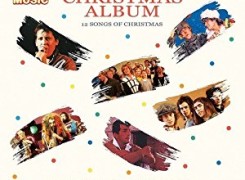
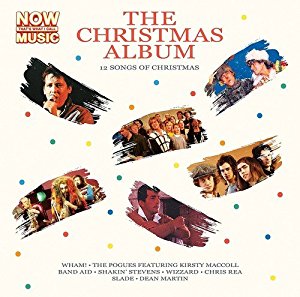


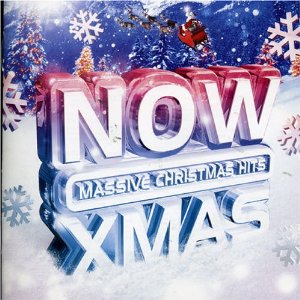


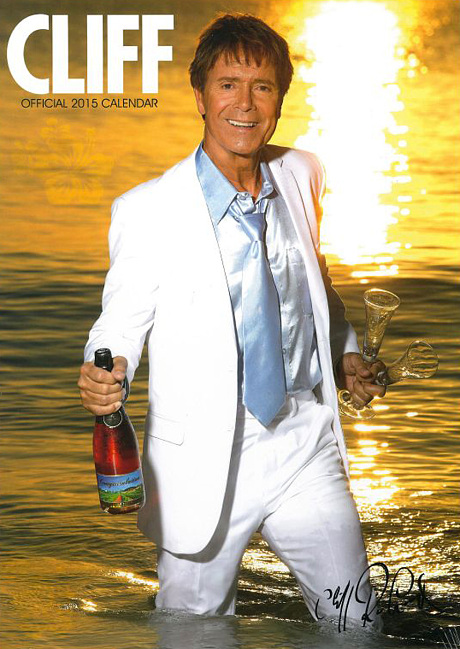
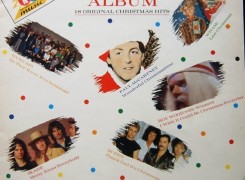


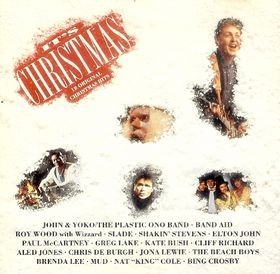 While we’re on the subject of myth debunking, here’s another: NOW do not re-release the Christmas album every year, and add one track to the tracklisting to get you to buy it again. That would be silly, and not very cost effective. But mostly silly. The album (in its most recent incarnations) is certainly re-issued every year but the tracklisting has only changed nine times in the 30 years since the original release, and all of those changes have occurred since 2000. (Wikipedia states that the original album was reissued in 1986 missing the Queen track, but I haven’t been able to verify this and every copy available on eBay and Discogs seems to have the track present and correct. The first CD issue, also from 1986, is missing the Greg Lake and John Lennon tracks for some reason, but the Queen track is on it, so it would appear odd for it to be taken off of the vinyl and cassette. The track has, however, never appeared on any subsequent new release.)


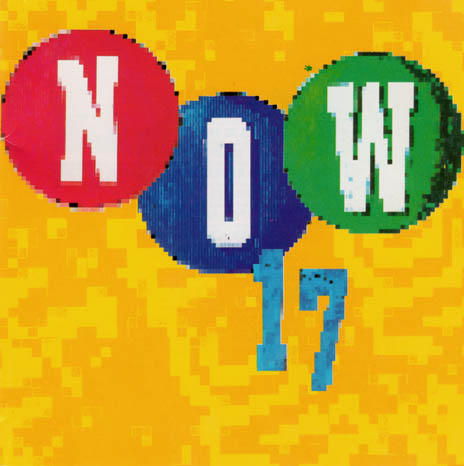

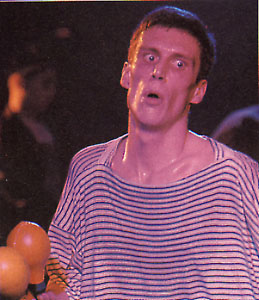

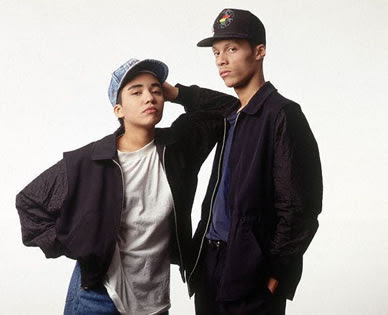

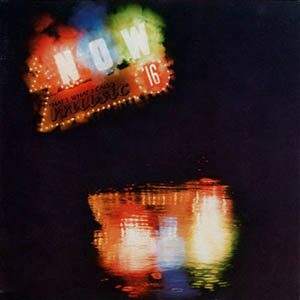

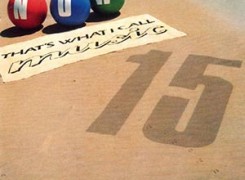

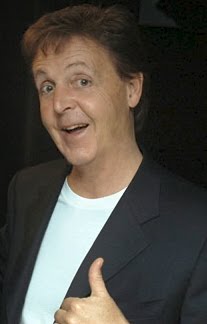


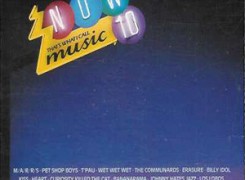
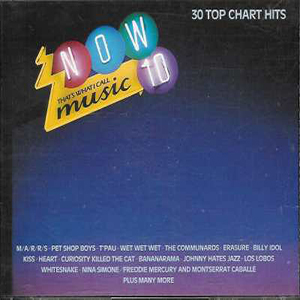

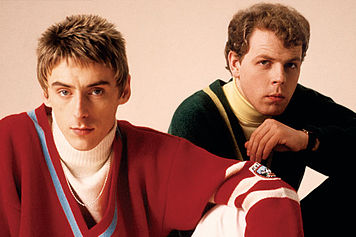
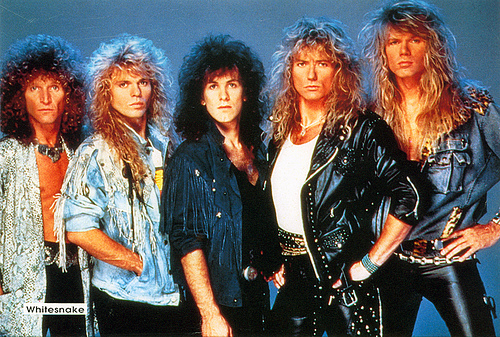
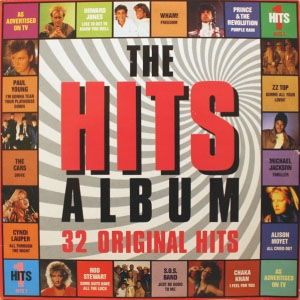


 Hits 5 featured a giant red die, of course, where all the sides have five on them. I’ve no idea what the thinking behind this was. It’s very silly. There was some continuity on the branding though, with the Hits strap at the top of the design retained from Hits 4. Hits 5 went head-to-head with NOW 8 at Christmas 1986, and would see Hits first CD compilation (it would be the start of NOW regularly releasing a CD as well, after the abortive NOW 4) and it fared badly in comparison.